Scott Kirby: American O'Hare Exit Would Free
United's CEO says American leaving Chicago O'Hare would help the region, but analysts view the idea as unrealistic given the hub's importance.
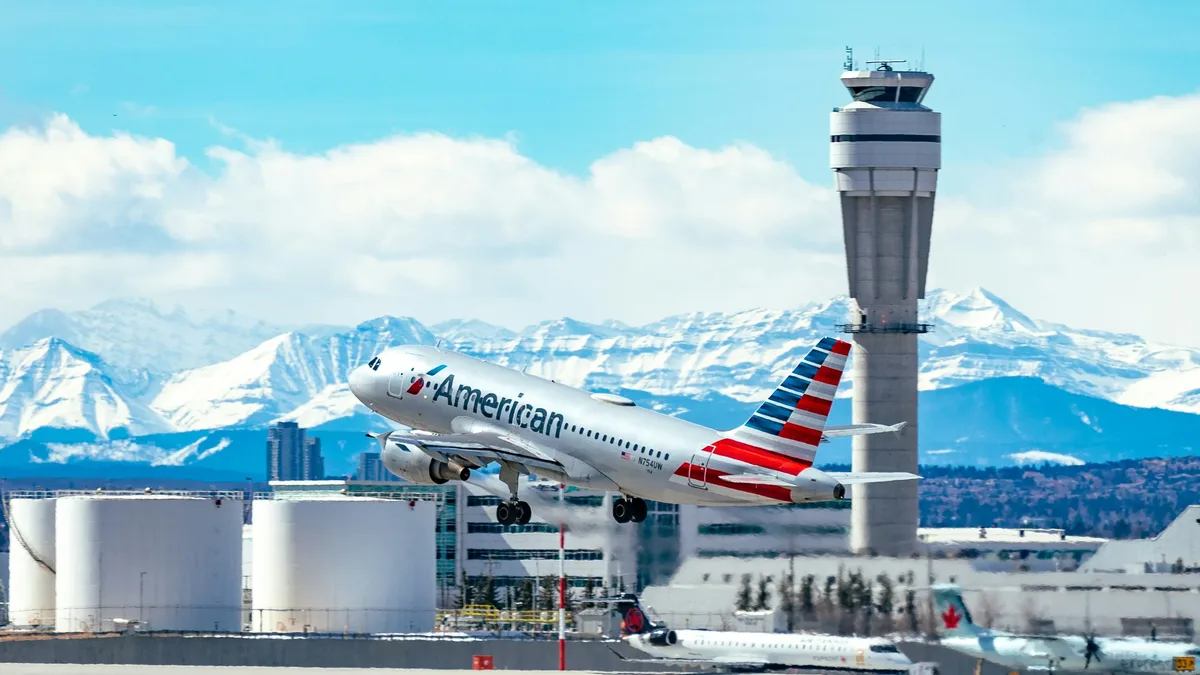
United CEO Scott Kirby claims American Airlines is losing about $1.1 billion a year at Chicago O'Hare. He suggests American's departure would let United build a more formidable hub with 1,000 daily departures, benefiting local travelers with new destinations.
Kirby made these comments at a Crain's Power Breakfast in Chicago. His core argument hinges on the inefficient use of airport and airspace capacity when two competing airlines operate major hubs at the same airport.
The Case for a Single Dominant Hub
Kirby contends that network hubs require feeder flights from smaller markets. At a dual-hub airport like O'Hare, American and United operate overlapping feeder routes in a closed system, over-serving markets just for competitive positioning. He uses Milwaukee as a key example.
Data from July 2026 shows the combined operations of American and United from Chicago outpace the single-hub dominance of rivals at their home bases. Yet individually, each carrier is smaller. The overlap, Kirby says, wastes constrained gate and runway capacity that could be used for more long-haul flights. This inefficiency is a key factor in the standings for hub profitability.
"You have twice as many catchment flights," Kirby said, explaining the dynamic. "So that constrained resource... is being used to fly twice as many flights to those local markets that don't really drive the local Chicago economy."
If American left O'Hare, United would not need to replace all its competitor's flights. It could upgauge aircraft or reallocate slots. This would free capacity for United to grow, bringing more connecting passengers through Chicago and supporting demand for new international and domestic routes, potentially reflected in future fixtures.
Why American Is Unlikely to Leave
Industry analysis counters Kirby's vision as unrealistic. American has already lost ground in New York and Los Angeles. Chicago represents a critical battleground where it can still be a solid number two, a position its squad of corporate contracts and local passengers supports. Abandoning it would cede the market entirely to United.
The major U.S. airlines have a vested interest in preventing United from achieving a singular, dominant hub in Chicago capable of 1,000 daily departures. Such a fortress hub would mirror Delta's in Atlanta or American's in Dallas/Fort Worth, giving United a significant competitive advantage.
American recently received a regulatory lifeline. Federal authorities capped summer operations at O'Hare at levels that favored American and ignored United's post-pandemic build-up. This action broke United's gate allocation plan and kept American firmly in the game.
The Trade-Off for Chicago Travelers
Kirby's scenario presents a trade-off. The city might gain new long-haul routes but lose a competitor on many existing ones. For a leisure destination like Orlando, reduced competition could mean higher fares. For a city pair with substantial local traffic, like Chicago-Pittsburgh, losing an airline could directly harm travelers.
The people of feeder cities like Milwaukee, who primarily connect through Chicago, might not suffer. They could connect via another American hub. The net effect for Chicagoans is uncertain, hinging on whether new destinations outweigh the loss of choice on existing routes.
Ultimately, Kirby's public campaigning may be less about realistic expectation and more about positioning. With the gate allocation plan disrupted, his best hope may be to push for a future merger discussion, however unlikely that prospect seems.