
Elite Status
| Carrier | varies by airline alliance or individual airline program |
|---|---|
| Cabin product | Premium Economy, Business Class, or First Class (depending on tier) |
| Access requirement | Accumulated flight miles or segments within a calendar year |
| Elite status tiers | Typically 2 to 4 levels (e.g., Silver, Gold, Platinum, Diamond) |
| Lounge access | Granted at certain tier levels, often restricted to international flights |
| Priority boarding | Granted at certain tier levels |
| Baggage allowance | Increased allowance over standard passenger, often 1-2 extra bags |
| Upgrade priority | Higher priority for complimentary cabin upgrades |
| Check-in | Dedicated check-in counters or priority lanes |
Origin and history
Elite Status programs originated in the United States airline industry during the late 1970s and early 1980s. Their creation was a direct competitive response to the deregulation of the American aviation market. Airlines sought mechanisms to retain their most valuable customers, who were suddenly free to choose from many competing carriers based on price and schedule. The first widely recognized program was American Airlines’ AAdvantage, launched in 1981, which included tiered status levels. These programs were modeled on the foundational concept of frequent-flyer mileage accrual but added a tiered structure rewarding volume and frequency. The model quickly spread to airlines globally throughout the 1980s and 1990s, becoming a standard pillar of airline commercial strategy.
What it is for
Elite Status is designed to foster passenger loyalty by rewarding repeat business with a suite of preferential treatments and services. Its primary function is to incentivize a traveler to concentrate their flight volume with a single airline or alliance, despite potentially cheaper or more convenient options on competitors. The benefits systematically address common pain points of air travel, prioritizing status holders in processes like boarding, seating, and baggage handling. On board, the core value proposition is an elevated cabin experience, often including confirmed seat upgrades, enhanced meal service, and premium beverage options. The programs also provide a buffer against operational disruptions through dedicated service channels and waiver of certain fees. Ultimately, it serves as a tool for the airline to identify and protect its highest-revenue customers while offering them a more predictable and comfortable travel experience.
Pros and cons
A primary advantage is tangible improvement in the core travel experience, including priority check-in, boarding, and baggage delivery, which saves time and reduces stress. Complimentary access to premium cabins on available space provides a significant upgrade in comfort and service at no direct cost. The dedicated customer service lines for elites are invaluable during irregular operations, often resulting in faster re-accommodation. A major con is the phenomenon of "mileage running," where travelers undertake suboptimal trips solely to maintain status, incurring unnecessary cost and time expenditure. The dilution of benefits through overcrowded airport lounges and increased competition for upgrades is a frequent complaint as programs have expanded membership. Many travelers regret the pursuit of status when they realize the required flight volume locks them into inconvenient routings or higher fares, negating the value of the perks received. A common mistake is overvaluing aspirational benefits like exotic award travel while underestimating the substantial, ongoing flight activity required to earn them.
Who it suits
Elite Status best suits business travelers whose employers fund a high volume of annual air travel, particularly on predictable routes served by a specific carrier or alliance. It is highly appropriate for individuals who place a premium on time savings, reliability, and consistent comfort, and who are less sensitive to ticket price. Frequent long-haul travelers can derive exceptional value from the lounge access, priority services, and potential for cabin upgrades on extended flights. It suits those with flexible schedules who can capitalize on last-minute upgrade opportunities and who travel through major hub airports where the carrier’s elite benefits are fully operational. The programs are ill-suited for leisure travelers who fly infrequently or who prioritize the lowest fare across multiple airlines, as they will rarely attain or utilize the status meaningfully. It also suits travelers who are highly organized and proactive in managing their loyalty accounts to maximize benefit redemption.
Latest Elite Status news
Latest reporting
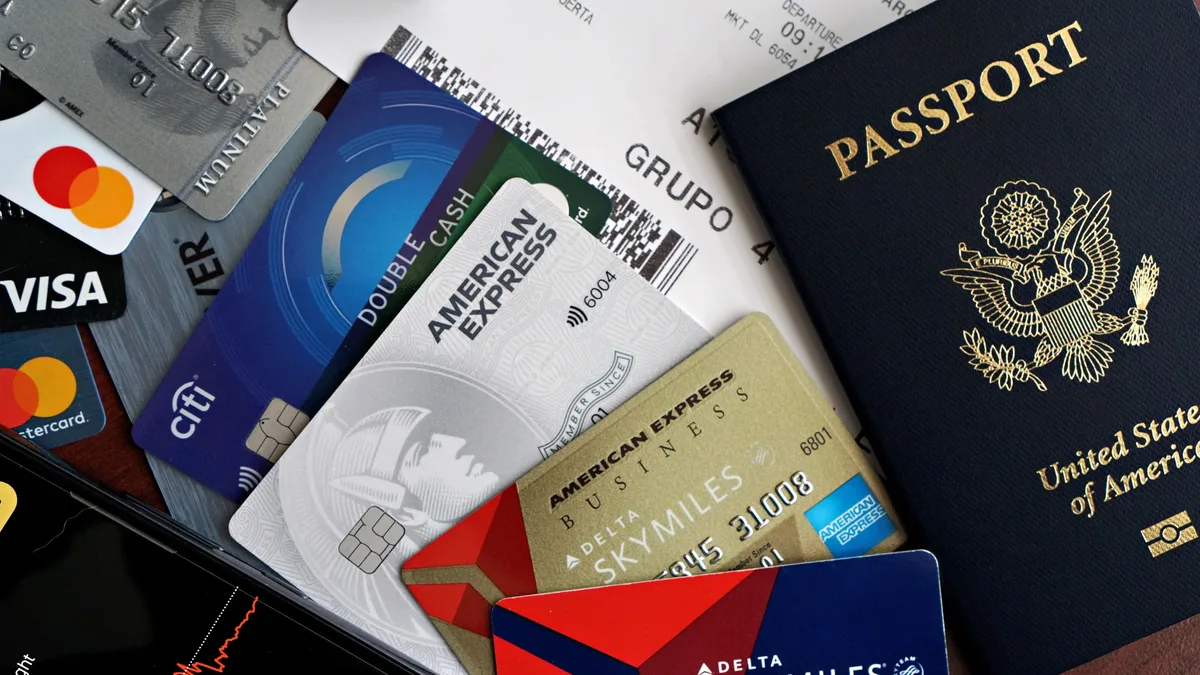
Chase Air Canada Aeroplan Card Launches Record 115,000-Point
The Chase Air Canada Aeroplan Credit Card is offering a record welcome bonus of up to 115,000 points, alongside new benefits like automatic elite...
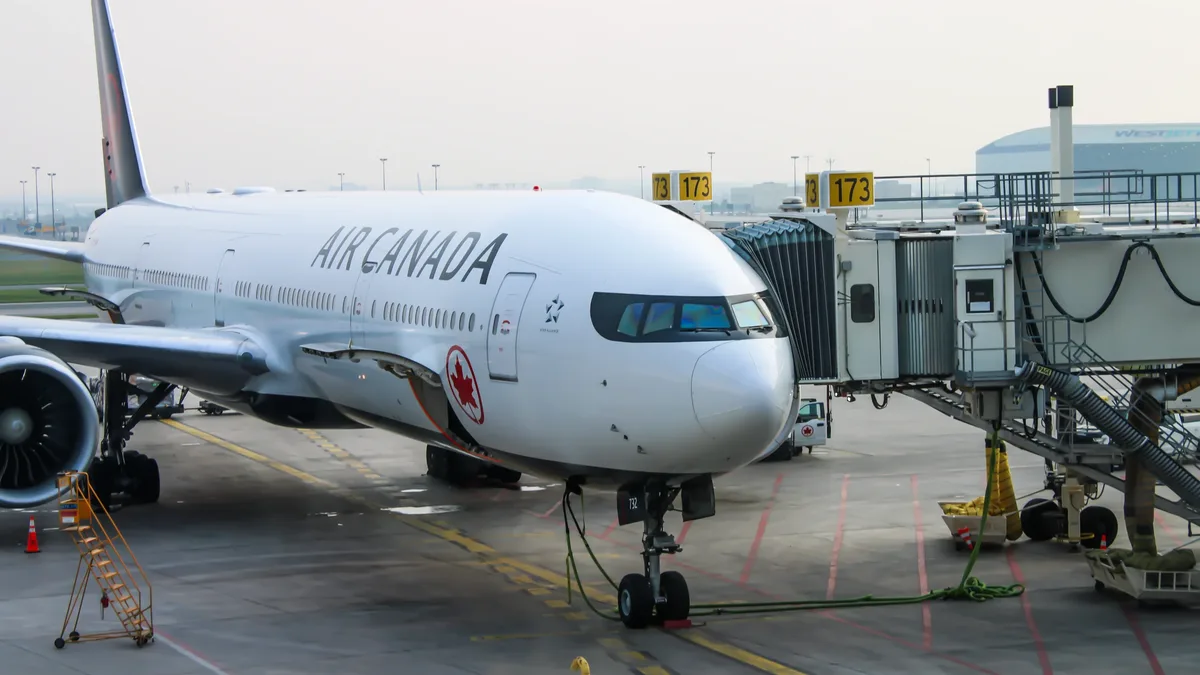
Air Canada's Basic Business Fares Offer Elite Perks
Air Canada's new Basic fares for business and premium economy cabins, introduced in July 2026, come with restrictions but allow Aeroplan elite...

Citi AAdvantage Executive Card Adds New Benefits at Higher
The Citi / AAdvantage Executive World Elite Mastercard now carries a $695 annual fee after a recent refresh. The card's value hinges on its...
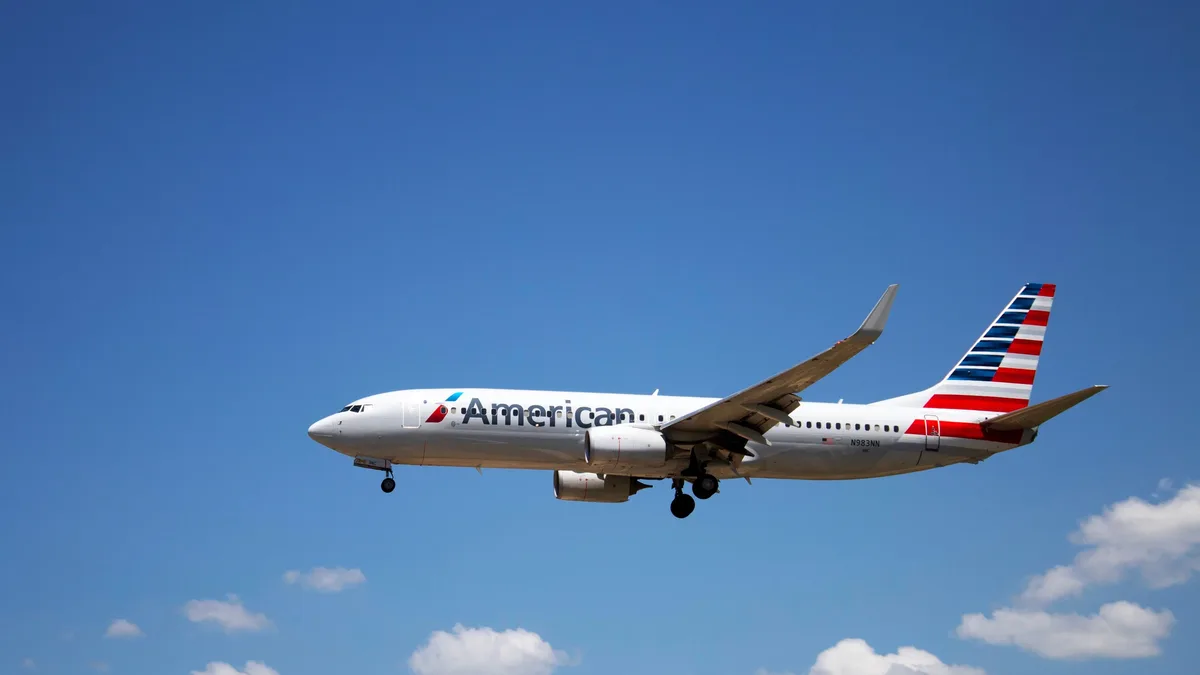
American Airlines Admirals Club Access Methods Detailed
A guide outlines multiple ways to access American Airlines' Admirals Club lounges, including credit cards, paid memberships, elite status, and one-day

Delta Air Lines Enhances SkyMiles For Business Elite
Delta's SkyMiles for Business Elite program now offers unlimited name changes and a Service Points system for managing travel changes.

American Airlines Loyalty Point Rewards Guide
American Airlines offers selectable perks at specific Loyalty Point milestones, including bonus miles, upgrades, and partner status.