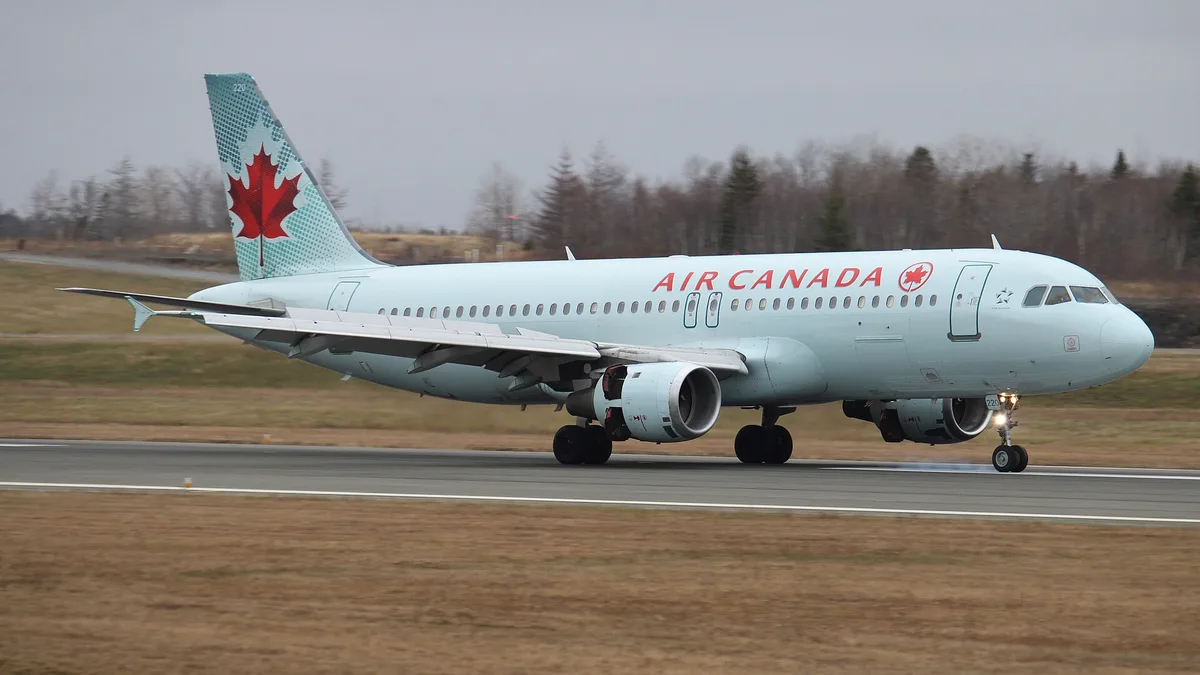
Air Canada Ac
| Airline type | Scheduled passenger and cargo carrier |
|---|---|
| Country of origin | Canada |
| First created | 1937 |
| Original use | Trans-Canada air mail and passenger service |
| IATA airline code | AC |
| Primary hub | Toronto Pearson International Airport (YYZ) |
| Alliance | Star Alliance |
| Frequent-flyer program | Aeroplan |
| Aircraft fleet | Mix of narrow-body and wide-body jets |
Origin and history
Air Canada is the flag carrier of Canada, originating from the country's state-owned railway system. The airline was created in the 1930s as a subsidiary of Canadian National Railway, initially named Trans-Canada Air Lines. Its inaugural flight operated in the late 1930s, marking the beginning of scheduled transcontinental air service within Canada. The airline was renamed Air Canada in the 1960s, reflecting its expanding international network. It was fully privatized by the Canadian government in the late 1980s, transitioning from a state-owned enterprise. Today, it operates as one of the world's largest full-service network carriers, with its main hub at Toronto Pearson International Airport.
What it is for
Air Canada's primary function is to provide scheduled air transportation for passengers and cargo across a global network. It serves as Canada's primary connector, linking major domestic cities from St. John's to Vancouver with extensive frequency. Internationally, it connects Canadian hubs to destinations in the United States, Europe, Asia, the Caribbean, and South America. The airline operates a diversified cabin product, offering International Business Class, Premium Economy, and Economy cabins on long-haul flights. It is a founding member of the Star Alliance, facilitating global connections for passengers through partner airlines. Additionally, its Air Canada Rouge subsidiary operates lower-cost leisure flights to sun destinations.
Is Air Canada Ac a good airline
Air Canada is generally considered a competent full-service network carrier, particularly strong within its domestic market where it faces limited competition. Its international long-haul business class product is consistently rated highly for its lie-flat seats and service. The airline's extensive route network and alliance membership make it a practical choice for complex itineraries, especially for travel to or through Canada. However, operational performance, including on-time departures and baggage handling, can be inconsistent and has been subject to public and regulatory scrutiny. Customer service experiences, particularly during irregular operations like flight cancellations, are a common point of criticism among travelers. Its overall quality is highly dependent on the specific route, aircraft type, and cabin class flown.
Air Canada Ac baggage allowance
Baggage allowances on Air Canada vary significantly by fare type, destination, and frequent flyer status. For most standard Economy fares on transborder and international routes, one checked bag is typically included, while basic fares on domestic and transborder routes often charge for all checked luggage. Passengers in Premium Economy usually receive two checked bags as part of their fare, while International Business Class passengers are allowed two or more. Carry-on allowances are generally uniform, permitting one standard article and one personal item for all passengers except those on Basic fares, who are only allowed a personal item. Dimensions and weight limits for both checked and carry-on bags are strictly enforced and align with common industry standards. Always verify the specific allowance for your booking, as rules for partner-operated flights or special items can differ.
Overview
Air Canada operates a mixed fleet of narrow-body and wide-body aircraft, including Airbus A220s, Boeing 737 MAX, Airbus A330s, and Boeing 787 Dreamliners. The in-flight experience is segmented across cabin classes, with the most significant investment in its International Business Class, featuring direct aisle access and fully enclosed pods on its 787 and Airbus A330-300 aircraft. Its Premium Economy cabin offers a distinct, separate cabin with enhanced seating, meal service, and amenities compared to standard Economy. The standard Economy cabin configuration and seat pitch are industry-typical, with variations in comfort depending on the specific aircraft model. All passengers have access to in-flight entertainment via seatback screens or streaming, and Wi-Fi is available for purchase on most mainline aircraft. The airline's frequent flyer program, Aeroplan, is a major loyalty scheme that allows members to earn and redeem miles across the Star Alliance.
What to know
Air Canada's operations are heavily concentrated at its three major hubs: Toronto (YYZ), Vancouver (YVR), and Montreal (YUL), which are the primary points for international connections. Travelers should be aware that domestic and transborder (U.S.) flights on mainline aircraft often do not feature seatback entertainment; personal devices must be used with the Air Canada app for streaming content. The airline's Basic fare is highly restrictive, not permitting any changes, not including advance seat selection, and having the most limited carry-on allowance. For international travel, advance seat selection in Economy often carries an extra fee unless you hold certain Aeroplan elite statuses. Air Canada Rouge, the leisure subsidiary, operates with a higher-density cabin configuration and reduced service levels on select routes. Delays, particularly during winter months or due to airport congestion, are a known operational challenge to anticipate.
Common questions
A common question is whether food is served on domestic flights within Canada; complimentary beverages and buy-on-board meals or snacks are offered on flights over two hours, with service varying by flight time and route. Passengers frequently ask about the difference between Air Canada mainline and Air Canada Rouge, which lies in the aircraft cabin density, seat pitch, and service style, with Rouge offering a more basic product. Many travelers inquire about the Wi-Fi availability and cost, which is offered on nearly all mainline flights but is not available on Rouge aircraft and must be purchased for a fee. Questions often arise regarding the Aeroplan program and how to earn status, which is based on a combination of dollars spent and distance flown on Air Canada and Star Alliance partners. Customers regularly seek clarification on the stringent carry-on size enforcement, with specific sizing boxes used at gates to ensure compliance. Another frequent inquiry concerns policies for traveling with sports equipment, which generally counts as a checked bag and may incur oversize fees.
Pros and cons
Its modern fleet, particularly on long-haul routes, provides a competitive and comfortable hard product in business and premium economy cabins. The integration with the Star Alliance and the Aeroplan program is a major advantage for frequent international travelers seeking mileage accrual and redemption. A primary con is operational reliability, with a historical tendency for delays and baggage mishandling, especially during peak travel periods or adverse weather. Customer service recovery during disruptions is often cited as slow and frustrating, leaving passengers feeling poorly supported. The complexity and fees associated with its fare structure, particularly the punitive restrictions on Basic fares, can lead to unexpected costs and passenger dissatisfaction.
Who it suits
Air Canada best suits travelers whose itineraries are focused on or routed through Canada, as it provides the most comprehensive network and connection options. It is a strong fit for business travelers and those willing to pay for premium cabins on long-haul routes, where the product is genuinely competitive. The airline and its Aeroplan program are advantageous for frequent flyers who can achieve elite status, unlocking valuable perks like lounge access and priority services. It is less suited for ultra-price-sensitive leisure travelers on short-haul routes, who may find the Basic fare too restrictive and the competing low-cost carriers offer better value. Passengers with tight connections or a low tolerance for operational risk may find the airline's reliability record a source of significant stress. It is also not ideal for those seeking a consistently high-touch, service-oriented experience across all cabin classes, as service delivery can be impersonal and procedural.
Latest Air Canada Ac news
Latest reporting
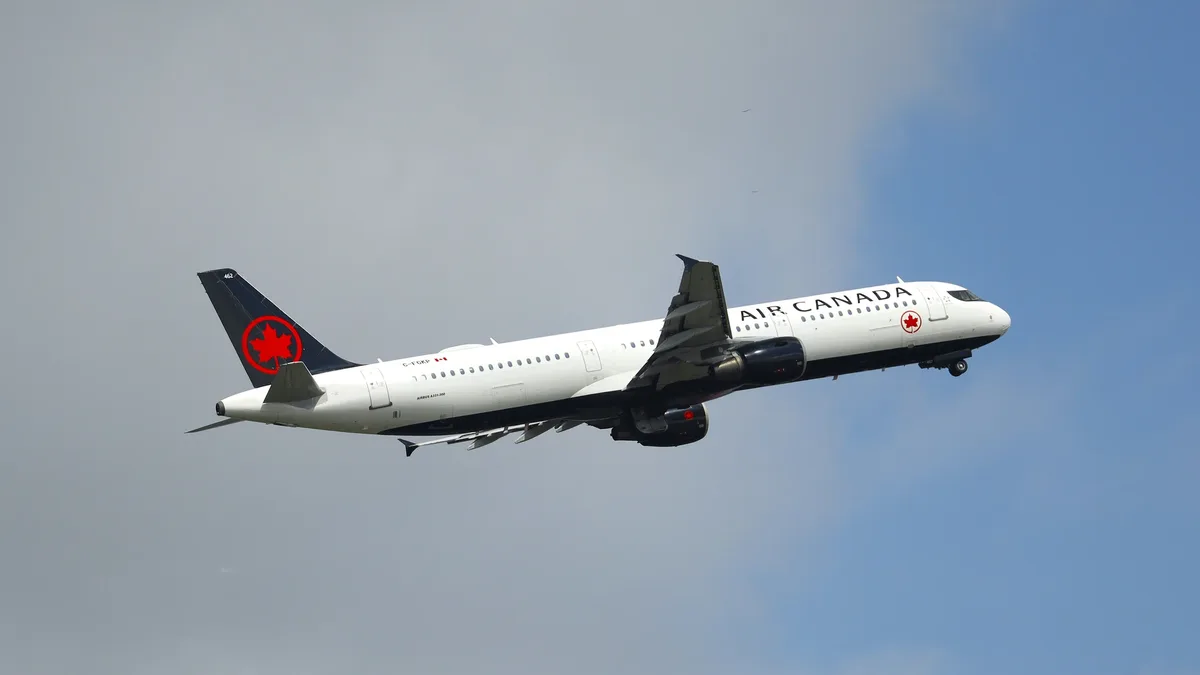
Air Canada Aeroplan Offers 100% Bonus on Points Purchase
Air Canada's Aeroplan frequent flyer program is running a promotion offering up to a 100% bonus on purchased points until September 25, 2026.

Chase Air Canada Aeroplan Card Launches Record 115,000-Point
The Chase Air Canada Aeroplan Credit Card is offering a record welcome bonus of up to 115,000 points, alongside new benefits like automatic elite...
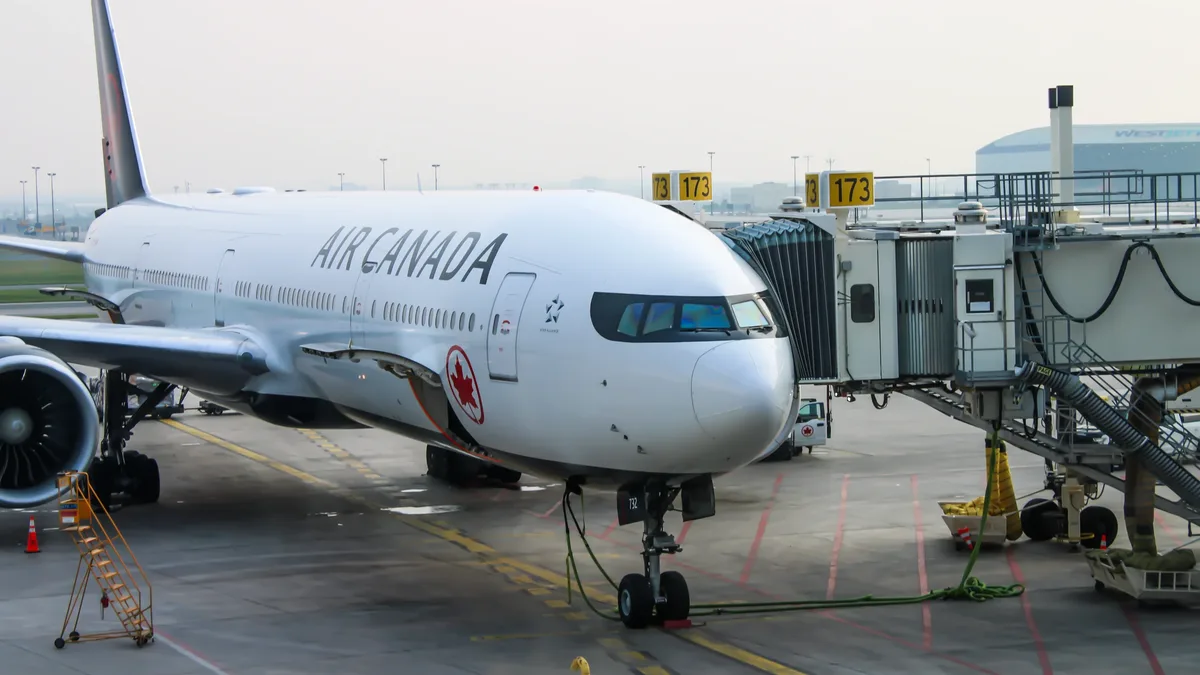
Air Canada's Basic Business Fares Offer Elite Perks
Air Canada's new Basic fares for business and premium economy cabins, introduced in July 2026, come with restrictions but allow Aeroplan elite...
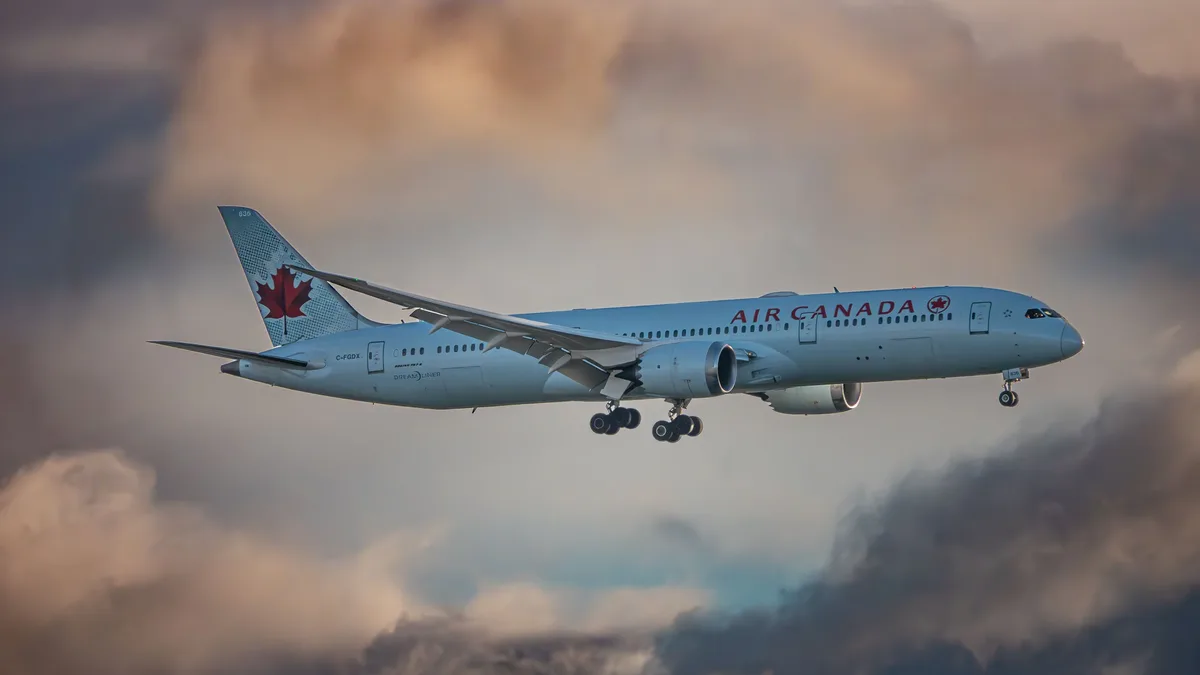
Air Canada Cuts 24 US Routes Since 2012
Air Canada has permanently ended service to 24 US airports since 2012, cancelling nearly 140,000 flights. The cuts have most heavily impacted smaller...
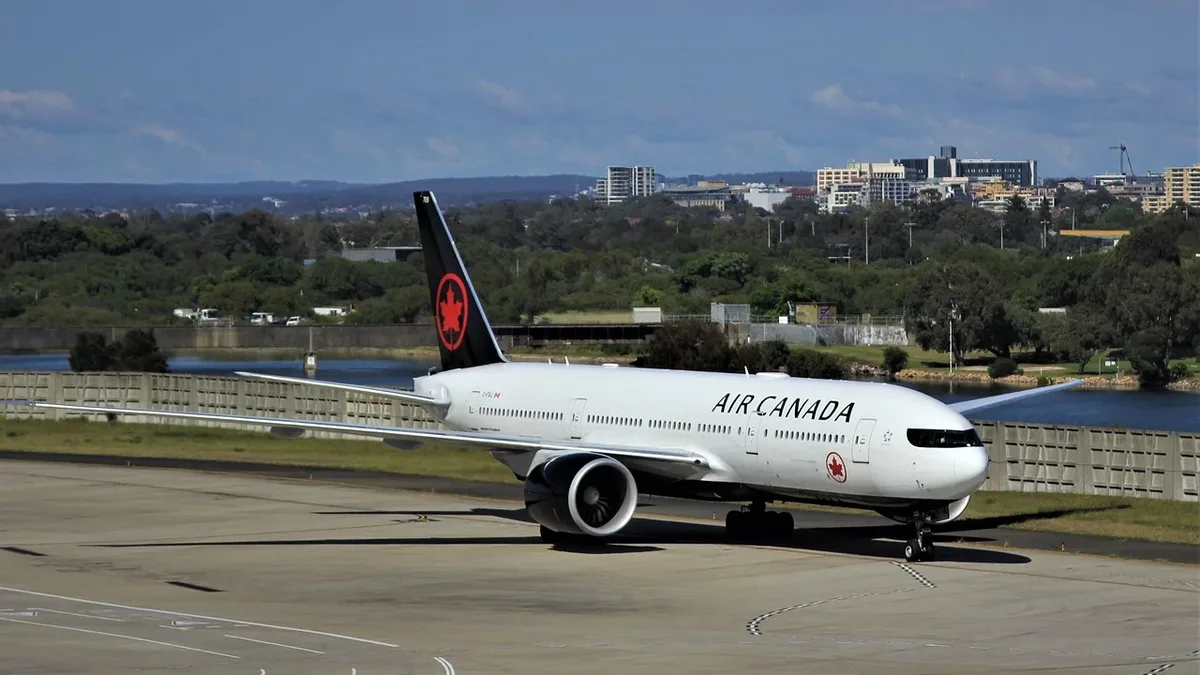
Air Canada adds Dubrovnik to summer 2027
Air Canada will launch seasonal flights from Montreal to Dubrovnik, Croatia in May 2027, marking its return to the Croatian market with its own...
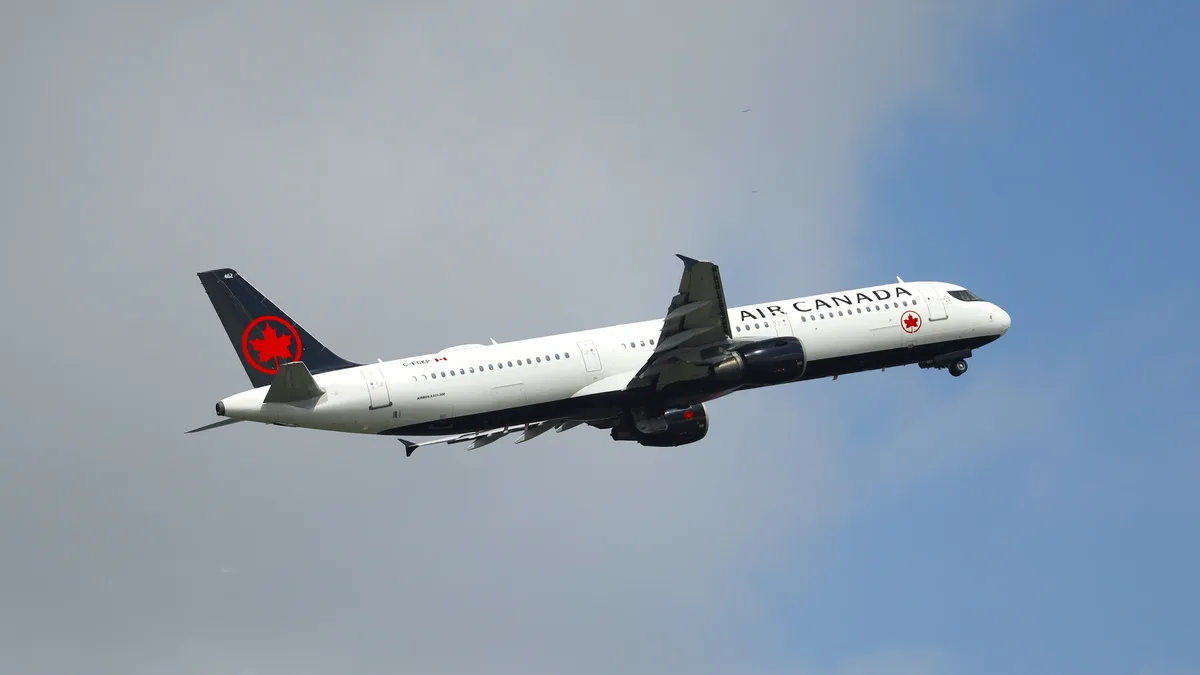
Air Canada Adds Five New International Routes for Summer
Air Canada will launch five new international destinations in summer 2027, expanding its network to Guangzhou, Oslo, Shannon, Basel, and Dubrovnik.