Main Cabin & Extra Legroom
| Cabin class | Economy |
|---|---|
| Seat pitch | 30 to 34 inches |
| Seat recline | Limited |
| In-flight service | Complimentary soft drinks and snacks |
| Baggage allowance | Typically one carry-on and one personal item |
| Seat selection | Usually available for a fee |
| Wi-Fi availability | Often available for purchase |
| Power outlets | Not guaranteed, varies by aircraft |
Origin and history
The concept of Main Cabin, as the standard economy class seating on commercial aircraft, originated in the United States alongside the development of the modern airline industry in the mid-20th century. It evolved from the undifferentiated passenger cabins of early airliners into a distinct, price-sensitive class of service. The specific branding "Main Cabin" was widely adopted by U.S. carriers in the early 21st century as part of a broader unbundling of air fares and services. Extra Legroom seating, as a paid or elite-status upgrade within the Main Cabin, emerged as a direct product of this unbundling trend. Airlines began systematically blocking rows with additional pitch, typically exit rows and bulkhead seats, to create a new revenue segment. This product was firmly established across most major global carriers by the 2010s, becoming a standard option in economy class.
What it is for
Main Cabin is the standard economy class of service offered by an airline, constituting the baseline transportation from one point to another. It provides a seat, use of the overhead bin and under-seat storage, and typically includes a soft drink or water during the flight. The product is designed to be the most accessible and frequently purchased fare class, serving as the core revenue generator for passenger airlines. Extra Legroom seating is a subset of the Main Cabin offering seats with greater distance between rows, measured as seat pitch, compared to the standard Main Cabin rows. This product is specifically for passengers who prioritize more space for their legs during the flight over other amenities. It does not constitute a separate cabin with different service but is a physical seat assignment within the Main Cabin offering enhanced personal space.
Pros and cons
A primary advantage of Main Cabin is its position as the most cost-effective way to travel on a scheduled flight, making air travel accessible to a broad market. The con is that this low cost is achieved through high-density seating configurations, which can result in cramped conditions, especially on longer flights. Extra Legroom directly addresses this discomfort for a premium, offering tangible physical relief for taller passengers or those with mobility issues. A significant con of Extra Legroom is that the additional pitch often comes from strategically located seats, like exit rows or bulkheads, which may have other drawbacks such as immovable armrests, proximity to lavatories, or stowage restrictions. A common mistake is passengers purchasing Extra Legroom seats without checking the specific seat details, leading to regret if they find themselves in a noisy or otherwise undesirable location. Furthermore, on full flights, these seats can sometimes create a sense of inequity and friction within the cabin, as standard Main Cabin passengers may be seated immediately behind a significantly more spacious row.
Who it suits
Main Cabin suits budget-conscious travelers, families, and anyone for whom the primary objective is transportation from A to B at the lowest published fare. It is the default and most appropriate choice for short-haul flights where time spent seated is minimal. Extra Legroom seating is best suited for taller individuals whose knee clearance is physically compromised by standard seat pitch. It also suits passengers on longer flights who value stretching their legs and are willing to pay a premium to reduce discomfort. This product is frequently selected by frequent flyers who receive it as a complimentary benefit due to their airline status, maximizing comfort within the economy class budget. It is less suitable for passengers who require full flexibility, as some Extra Legroom seats may have restrictions, or for those who prioritize other amenities like included checked bags or premium meals, which are not part of this seat-only upgrade.
Latest Main Cabin & Extra Legroom news
Latest reporting

SAS Passengers Face Downgrade on Jettime Wet-Lease 737
An SAS-branded flight from Zurich to Copenhagen was operated by a Jettime Boeing 737-800, offering a notably inferior cabin product compared to SAS's...
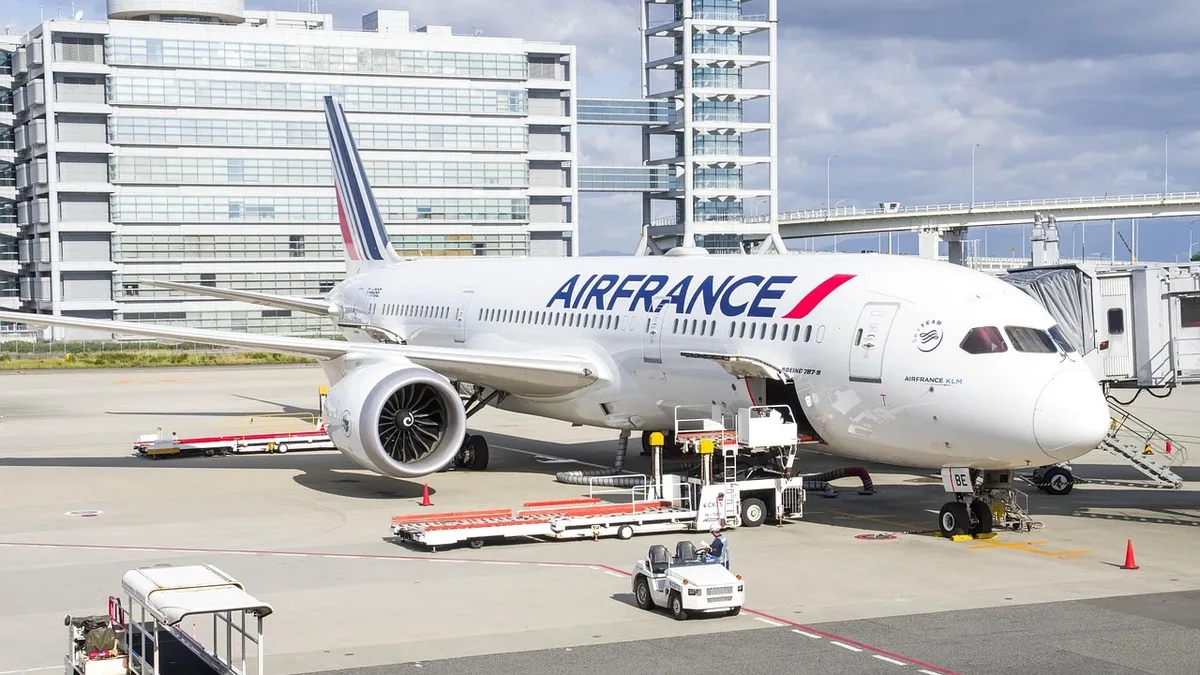
Air France La Première First Class Review: A Memorable 2018
A reviewer recalls a December 2018 Air France 777-300ER flight from Los Angeles to Paris in the previous-generation La Première first class cabin
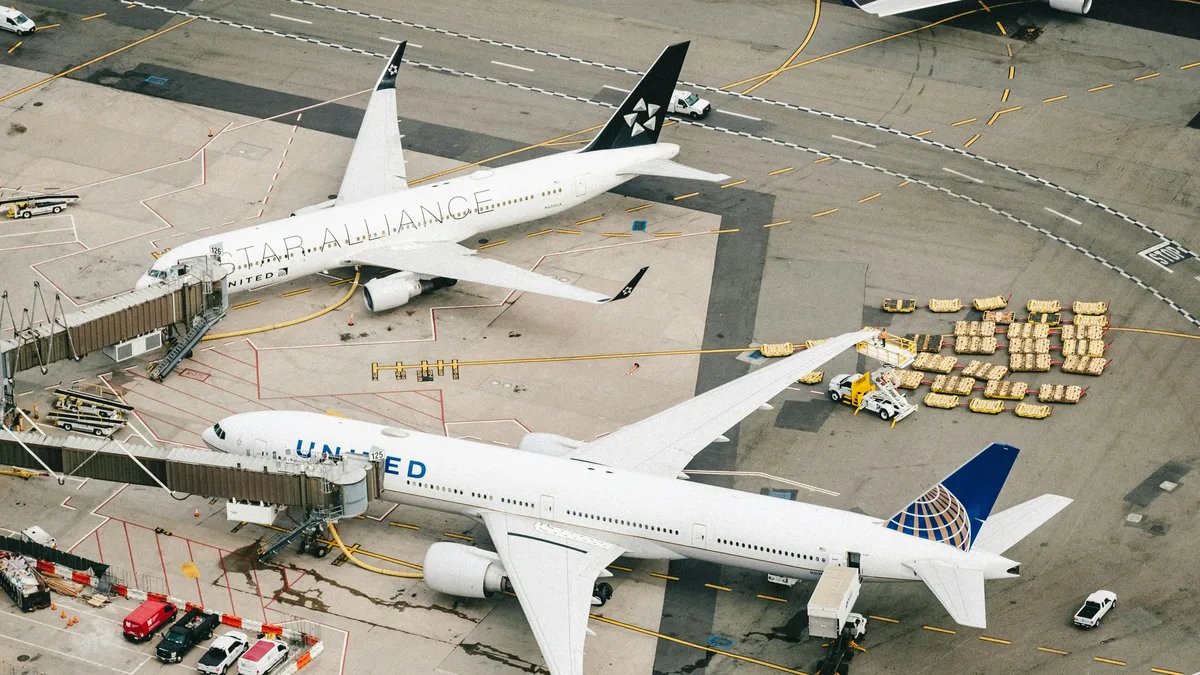
U.S. Airlines Oppose Two Extra China Flights Over Fare Fears
American, Delta, and United are opposing Air China's request for two additional flights, fearing it could lower fares and set a precedent for Chinese
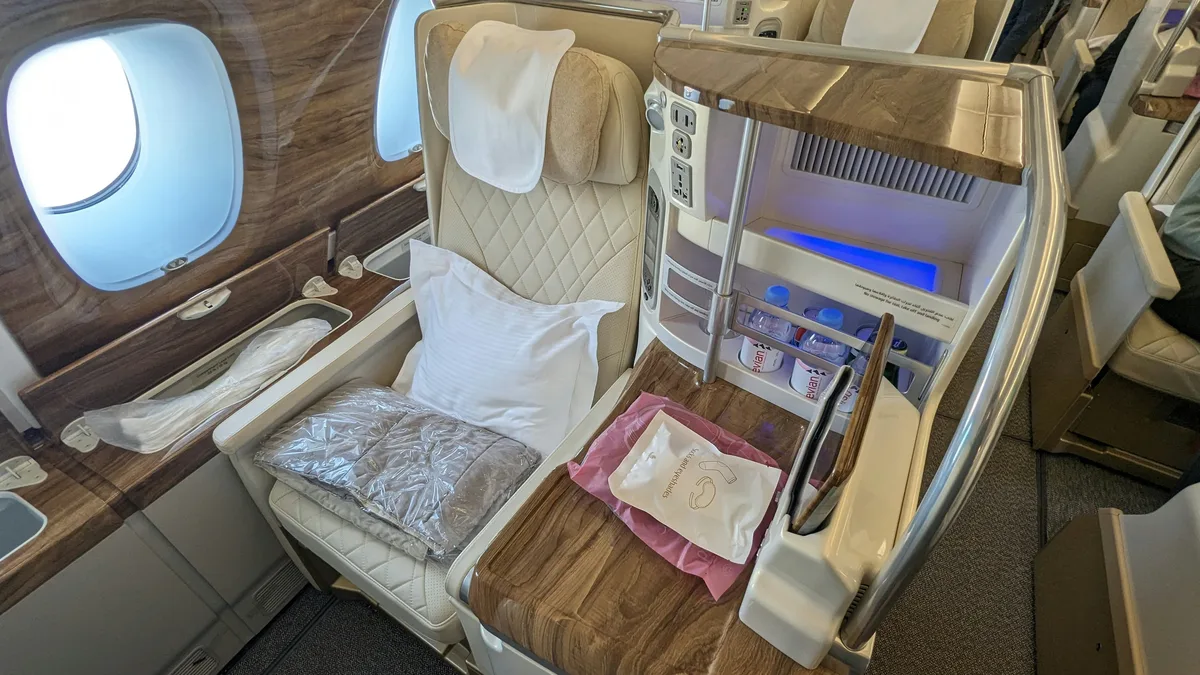
Air Greenland's A330-800neo Premium Class First Impressions
A first look at Air Greenland's premium cabin on its rare Airbus A330-800neo, detailing the seat configuration, meal service, and onboard amenities...
Air Greenland Enforces Strict 8-Kilogram Cabin Bag Limit
A passenger reports Air Greenland enforces an 8-kilogram carry-on weight limit across all cabins, even on half-full long-haul flights, causing...
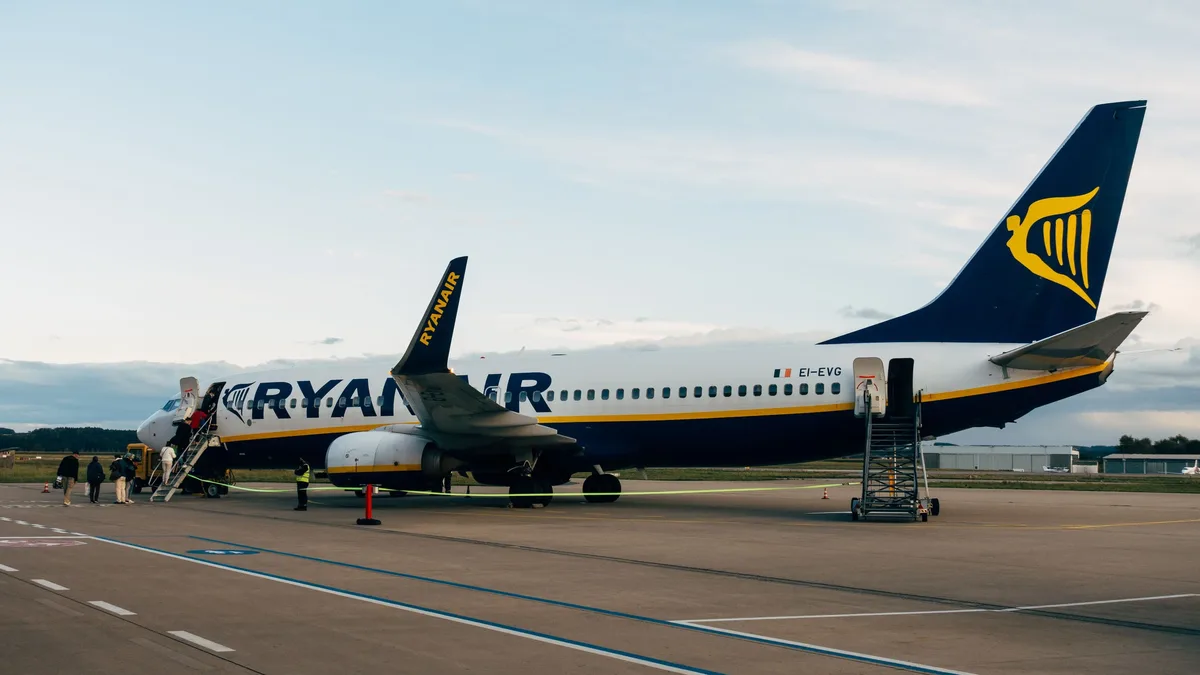
Ryanair's Profit Strategy: Uncomfortable Flights, High
Ryanair's financial success is built on a low-cost model that strips cabin amenities to enable ultra-fast turnarounds and low airport fees, with...