Alaska Airlines commits to lie-flat seats
Alaska Airlines will install 12 lie-flat Aurora Suites on at least 25 Boeing 737 MAX 10 jets starting in 2028.
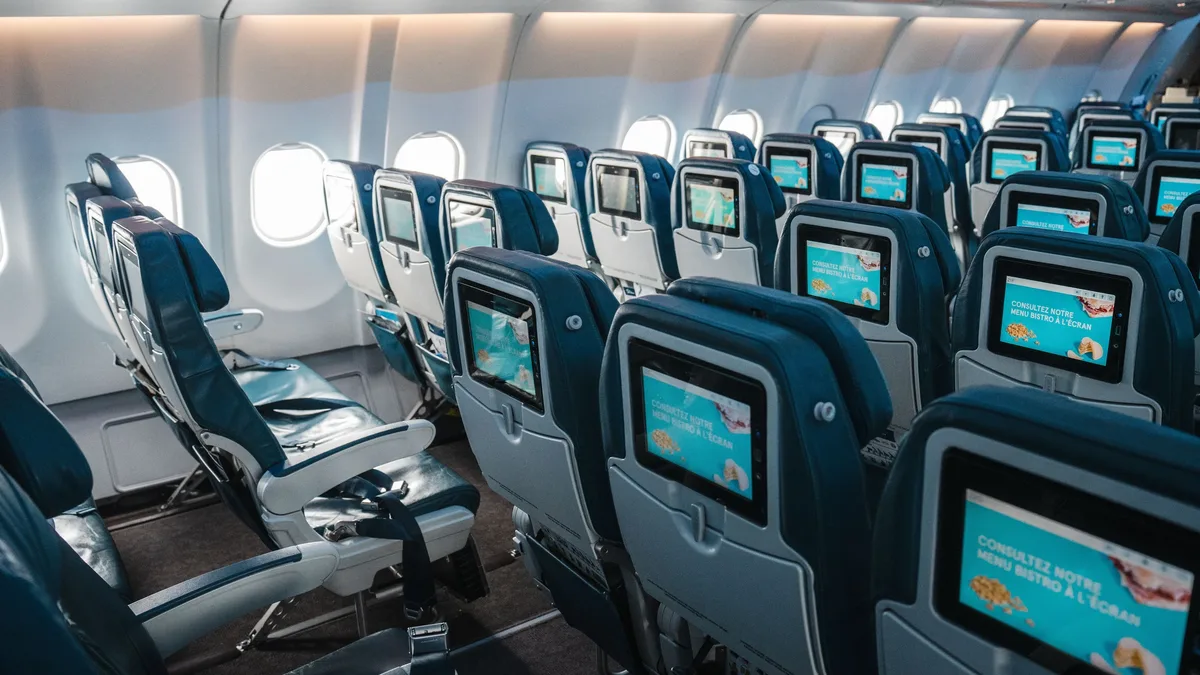
Alaska Airlines is introducing lie-flat seats on transcontinental flights under a plan called Project Gotham. The carrier will install 12 lie-flat Aurora Suites on each of at least 25 Boeing 737 MAX 10 aircraft, with the rollout beginning in 2028.
Each aircraft will also have 12 Premium Reserve seats, which is Alaska’s new premium economy product. Andrew Harrison, the Chief Commercial Officer of Alaska Air Group, announced the move during an Investor Day presentation. He stated, "This is not a test." This firm investment ends years of the airline resisting premium cabin upgrades.
Strategic shift after years of uniform cabin preference
Alaska Airlines has spent years prioritizing a consistent domestic product over a separate premium transcontinental fleet. After acquiring Virgin America, the airline chose to develop its own domestic first class product instead of rethinking transcontinental competition. The operational preference was for uniform cabins, which made aircraft easier to move across the network.
The shift follows the Hawaiian Airlines merger, which gives Alaska a global airline context with an international business class product. Rising costs and this broader strategic view now justify the premium investment. Offering lie-flat seats on selected domestic flights fits into Alaska’s evolving global airline strategy.
Competitive pressure and revenue expectations drive the move
Alaska expects better revenue and higher yields from offering lie-flat cabins. The airline's traditional first class seat is seen as a substantial compromise compared to lie-flat offerings from competitors like American, Delta, United, and JetBlue. Passengers currently avoid Alaska on overnight transcontinental flights due to these seat limitations.
Sleep quality heavily influences booking decisions on overnight routes. Harrison cited rising costs and the need for better products to entice passengers to pay more. Lie-flat seats are a tangible reason passengers can see, use, and feel the benefit of. While Alaska is often slightly cheaper than competitors, this is not always the case on transcontinental routes. The move aims to boost premium revenue and close a competitive gap.
Key markets and operational considerations outlined
New York City is identified as a major beneficiary of the lie-flat seat initiative. Travelers on long flights to New York will finally get lie-flat options on Alaska. Seattle, San Francisco, and Los Angeles are also prioritized in the network plan.
Introducing a specialized cabin brings operational challenges. Aircraft with lie-flat seats require more careful scheduling, as substitution with a standard plane would upset passengers. The lie-flat suites also take up space that could otherwise hold more seats, impacting overall capacity.
Broader experience and remaining uncertainties
The broader Aurora experience includes parallel investments in dining, airport service, and lounges. However, actual schedules and deployment details for the aircraft are still pending. These details could be more than two years away, and the rollout could potentially be delayed beyond 2028.
This move represents a clear departure from Alaska's 2018 position, when it had no plans to introduce lie-flat seating. The airline is now firmly investing in premium demand. Passengers will have to wait until 2028 for the lie-flat seats to arrive on Alaska Airlines transcontinental flights.