American Airlines accelerates cabin upgrades and Starlink rollout
American Airlines is reversing years of product cuts by installing seatback screens, adding premium seats, and accelerating Starlink Wi-Fi to compete with United and Delta, despite financial pressures.
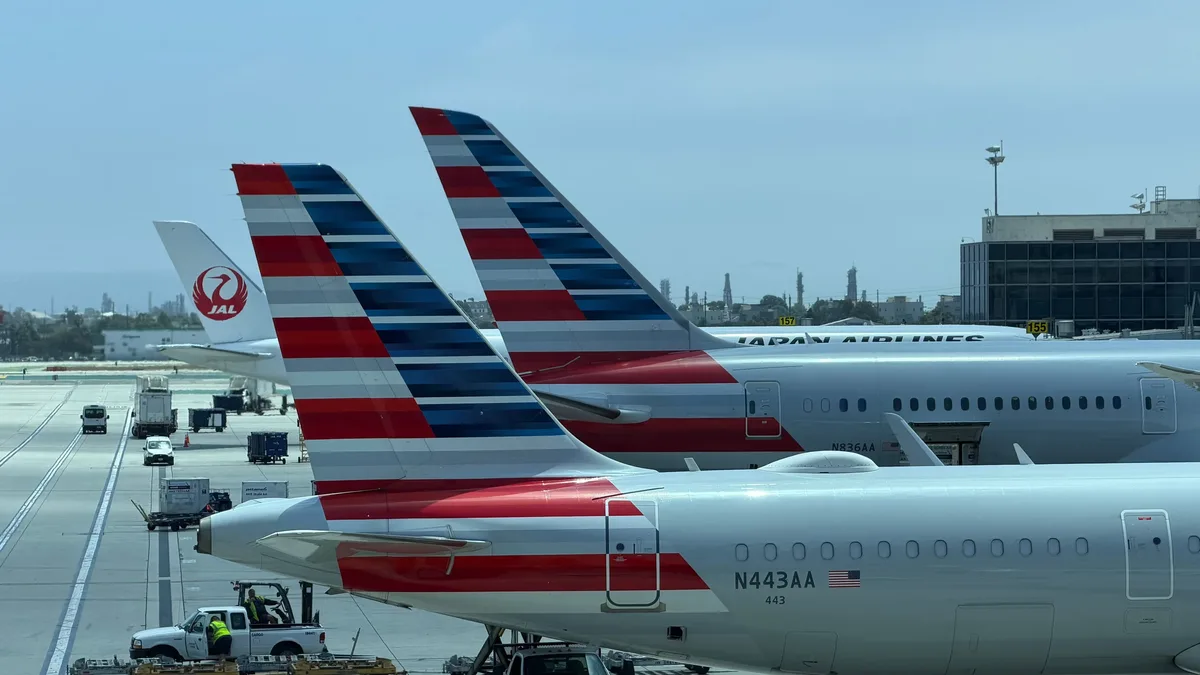
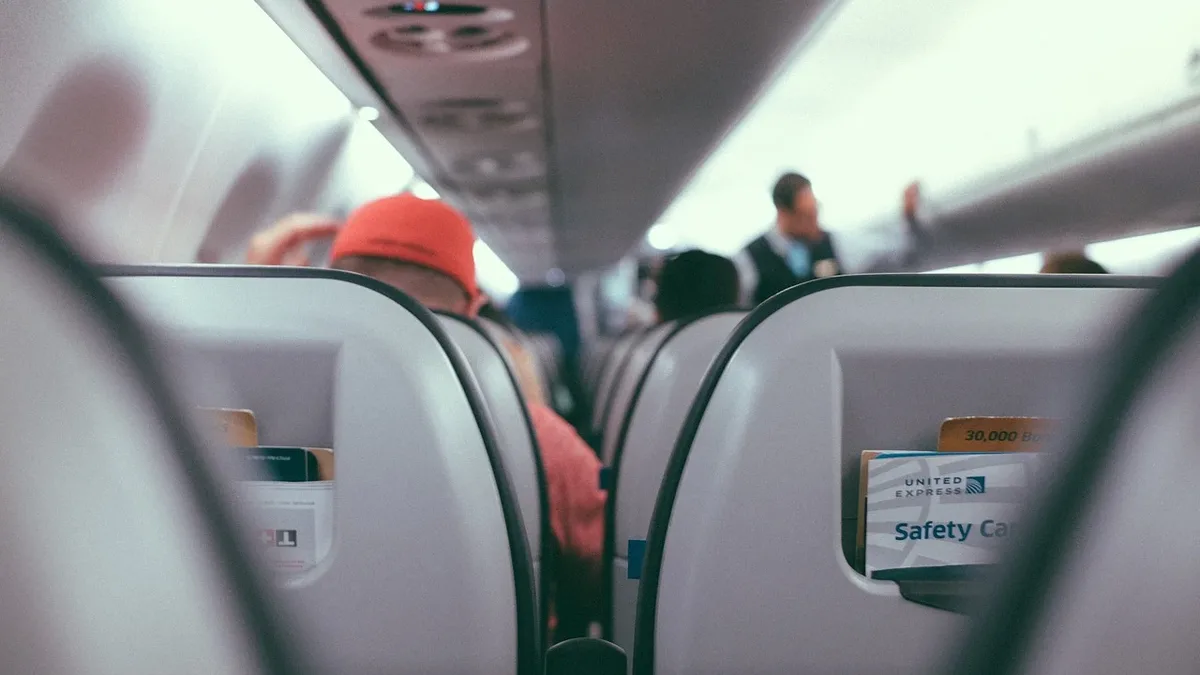
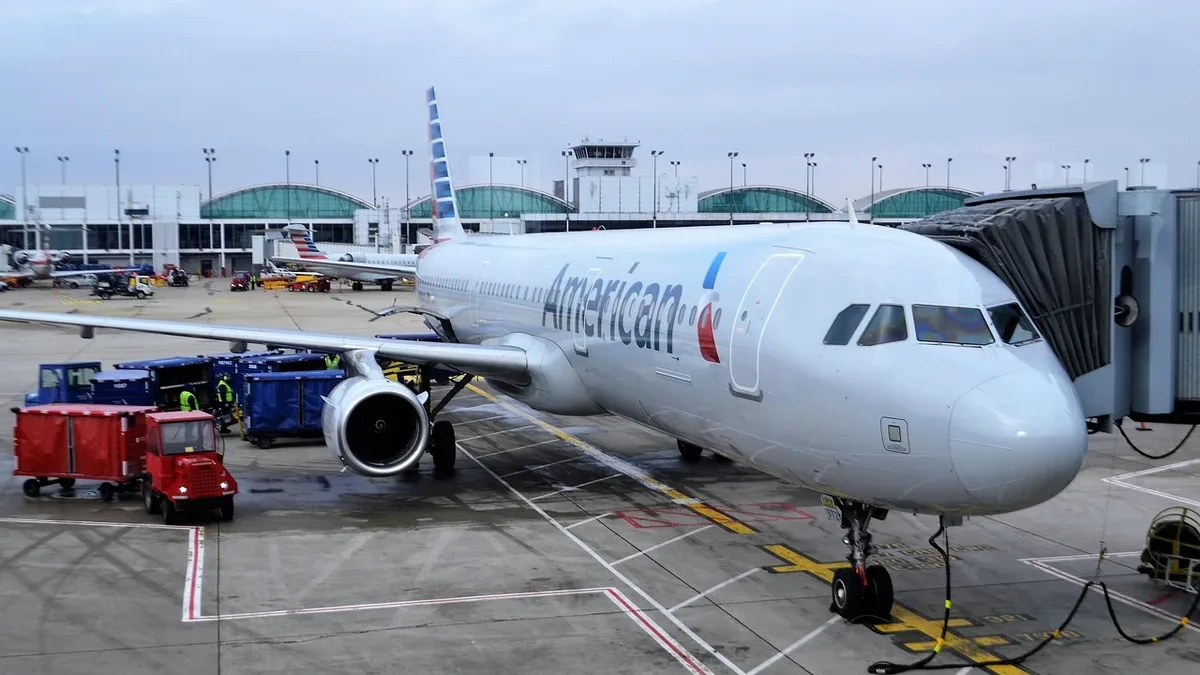
American Airlines is installing Starlink internet beginning early next year. The carrier is reversing course by bringing back domestic seatback screens and adding more first class and extra legroom seats. This marks a significant shift as American races to win passengers back from United and Delta after years of making its cabins worse. The airline is rebuilding its appeal after product cuts, but it faces losses, heavy debt, and higher fuel costs.
United and American are accelerating Starlink installations, creating a competitive edge for business flyers. United's status-match move follows its Starlink rollout and rising customer satisfaction scores. It is targeting Delta and American elites with a 90-day status match granting MileagePlus elite tiers through January 2028. Qualifying members must fly United and meet spending thresholds between $1,500 and $7,000.
Starlink competition intensifies across the industry
Multiple airlines are adopting Starlink internet as United's early lead creates pressure. United Airlines CEO Scott Kirby says one of his biggest competitive advantages won’t last. "Other airlines will catch up with Starlink internet," Kirby said. United sees a temporary Starlink lead as a way to persuade passengers to shift loyalty. It expects rivals to adopt the technology.
Other airlines including American, Southwest, Alaska, and Frontier are adding Starlink. Southwest expects completion around the time United does. Delta chose a different path. It committed to Amazon's satellite internet, which may start in 2028, and will eventually outfit 500 aircraft. Delta's current wifi is generally poor due to bandwidth overload. Elon Musk warned Delta over its Wi-Fi choice, predicting customer loss to rivals. Delta's gamble on Amazon's unproven system risks alienating travelers seeking reliable in-flight connectivity.
United's Starlink Wi-Fi already serves more than 635 aircraft and nearly half of its daily departures. The airline introduced a flight checker for Starlink availability that works up to three days before travel, though aircraft assignments can still change.
American Airlines faces financial pressure and debt constraints
American Airlines' heavy debt from past share buybacks and current losses limit its ability to sustain rapid product investments. The airline spent more than $12 billion on share buybacks under CEO Doug Parker before the pandemic. It entered the pandemic with that heavy debt. American is losing money, carrying heavy debt, and has fuel costs up while trying to win back customers. This puts pressure on its ability to keep investing before investors lose patience.
Despite this, American has made an impressive amount of progress since its premium pivot roughly 21 months ago. Flagship Dining at Los Angeles is reopening after more than six years with access expanded to qualifying business class passengers. The airline also instructed employees to stop involuntarily bumping passengers and gave airport leadership more authority to secure volunteers.
However, the timeline for improvements is long. American’s domestic seatback screens won’t begin arriving on new aircraft until 2028, and the broader fleet project extends into the next decade. The airline retreated from New York, Chicago, and Los Angeles, making it less useful in the country’s most valuable spending markets.
Delta made itself relevant in high-revenue markets through a 2011 slot swap with US Airways. American Airlines has 132 daily LaGuardia slot pairs and 42 daily Washington National slot pairs as a result of that exchange, which included a $66.5 million payment. Delta invested heavily in facilities at LaGuardia, JFK, and Los Angeles to build its New York business.
United's network rebuilding started earlier, restoring domestic connectivity that had been cut. It expects to largely complete its United NEXT cabin connectivity goals at midcontinent hubs by summer 2027. That commitment includes screens, bigger bins, and a better domestic cabin with sustained investment in its mobile app. By 2025, Kirby stated they would consciously spend more on customer food to win more brand-loyal customers.
The shift is a stark reversal from American's previous strategy. In September 2017, the airline's media and investor day treated product improvements as easy for competitors to copy. At the time, American was preparing a domestic cabin with tighter legroom, thinner seat padding, and no seatback screens. Former CEO Doug Parker summarized the old philosophy, stating, "we work really hard to match our service to our competitors, and they do the same to us."