American Airlines Interrogates Passenger
American Airlines blocked a passenger's online check-in and questioned them at the airport over suspected 'hidden city ticketing', or skiplagging.
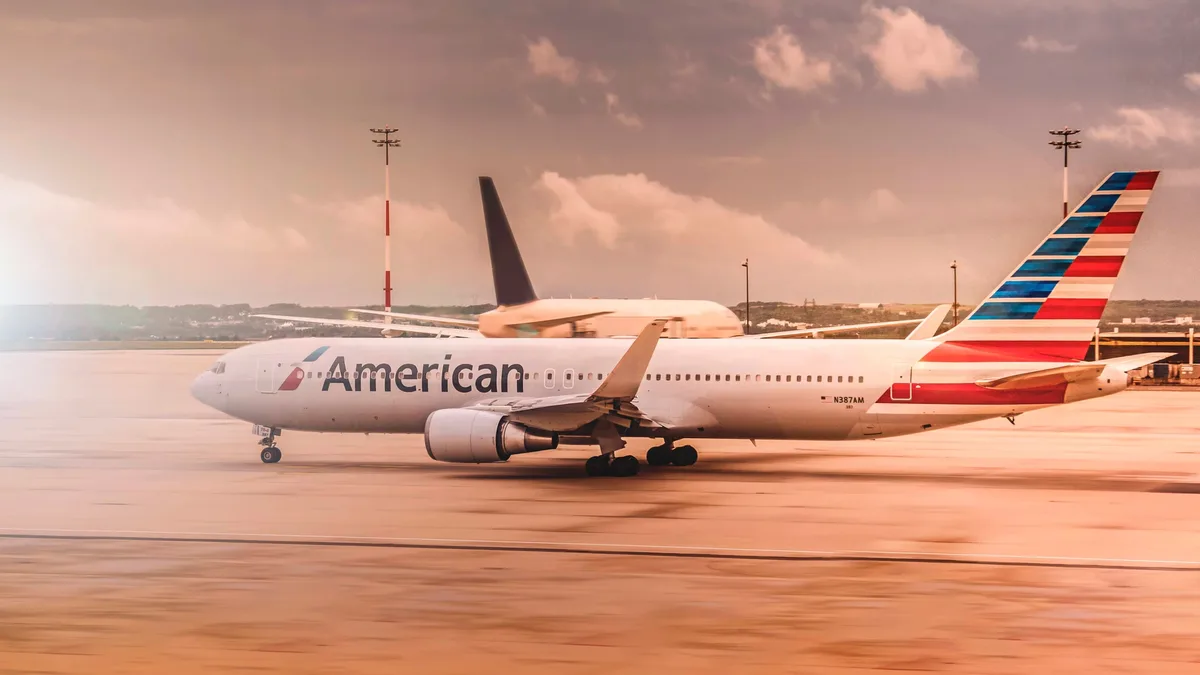
American Airlines prevented a passenger from checking in online and questioned them at the airport over suspected 'hidden city ticketing'. The passenger was flying from Fort Myers to Washington National to Boston and genuinely intended to fly the entire itinerary.
The issue arose because the person who purchased the ticket lives in the Washington, D.C. Area. American Airlines reportedly used the purchaser's address, and potentially their prior behavior, to flag the reservation. The passenger, who had no AAdvantage frequent flyer account and no apparent history of skiplagging, was still subjected to an airport interrogation.
American Airlines sees this practice, also called skiplagging or throwaway ticketing, as a violation of its rules. It involves booking an itinerary that connects through the city you actually want to visit, then intentionally missing the final leg. For example, a passenger wanting to fly from Washington, D.C. To Phoenix might book a cheaper ticket from Washington, D.C. To Phoenix to Tucson and simply not board the flight to Tucson.
How American Identifies Potential Skiplagging
One method American uses is checking a passenger's home address on their frequent flyer account. If a ticket connects in that passenger's home city, the airline may block online check-in to force a conversation at the airport. The airline may warn that not taking all flights on an itinerary could result in being billed or banned.
The recent incident suggests American may now be performing more sophisticated data analysis. The airline could be linking data across passengers, purchasers, payment methods, addresses, and reservations, rather than just examining an individual traveler's history. This broader approach is likely to generate false positives, as it flags suspicion rather than determining intent, but American apparently sees value in the resulting airport confrontations.
The Risks of Hidden City Ticketing
While not illegal, and deemed acceptable by some ethicists, hidden city ticketing carries significant risks for travelers caught by airlines like American. The primary consequence is the potential for a future flight ban or the closure of a frequent flyer account.
Several practical issues can also derail a skiplagging plan. During flight delays or cancellations, an airline may reroute a passenger through a different connecting hub than the intended 'hidden' city. Checked baggage is another major problem, as airlines generally send luggage to the final ticketed destination. Even gate-checked carry-on bags could end up flying without the passenger.
Furthermore, skiplagging typically only works with one-way tickets. If a passenger throws away a segment on a roundtrip itinerary, the airline will usually cancel the remainder of the ticket.
Strategies to Avoid Detection
The report humorously suggests prepared excuses for passengers questioned at the airport, though these are presented as satire. Examples include claiming a need to stretch one's legs to avoid deep vein thrombosis or needing to visit an airport lost and found.
The core advice from the source is clear: travelers should avoid hidden city ticketing on American Airlines. They should also be cautious about purchasing tickets with a credit card whose billing address matches one of American's hub cities, as this data point alone can now trigger scrutiny. Outside of Germany, where the practice has been ruled legal, passengers engaging in skiplagging need to be prepared for difficult conversations.