DOT Rule May Excuse Airlines From Hotel Costs
A new Department of Transportation rule, effective October 2026, reclassifies certain maintenance delays as outside airline control, potentially relieving
A new Department of Transportation rule finalized by the Trump administration could allow airlines to avoid paying for hotels and meals when flights are canceled due to a broad category of mechanical problems. The rule, which takes effect on October 19, 2026, changes how carriers must report the causes of delays and cancellations, as noted by the blog View From The Wing.
Most of the rule's provisions stem from a congressional mandate to remove specific uncontrollable events from the traditional "Air Carrier" reporting category. Historically, disruptions in that category were deemed within an airline's control, triggering obligations for passenger care. The new rule creates a list of ten exclusions.
Excluded Disruption Categories
Many of the newly excluded events are widely seen as legitimate. They include sabotage, cybersecurity attacks where the airline followed rules, medical emergencies not caused by the carrier, and disruptions from volcanic ash or government system failures. The final rule also excludes issues caused by unruly passengers.
The Controversial Maintenance Clause
The most contentious addition is for "unscheduled maintenance." The rule specifically covers maintenance, including work required by an airworthiness directive, that manifests outside a scheduled program and cannot be deferred before a flight. The Department of Transportation has already applied similar logic, as seen after an emergency Airbus airworthiness directive in 2025.
Proponents argue the narrow case is defensible. An unexpected, government-mandated grounding for urgent repairs is not something an airline causes. However, critics worry the term "unscheduled maintenance" is potentially much broader.
Aircraft components fail. Items discovered during a preflight inspection sometimes cannot legally be deferred. Historically, such maintenance issues have been treated as within an airline's control, which is why major carriers have promised meals and hotels during many related disruptions.
The critical question is how aggressively airlines will use this new exception. If a flight cancels because an aircraft develops a mechanical problem overnight, could that now be deemed "unscheduled maintenance" outside the airline's control? The source argues that while airlines should not be responsible for everything outside their control, maintaining aircraft is a fundamental operational duty.
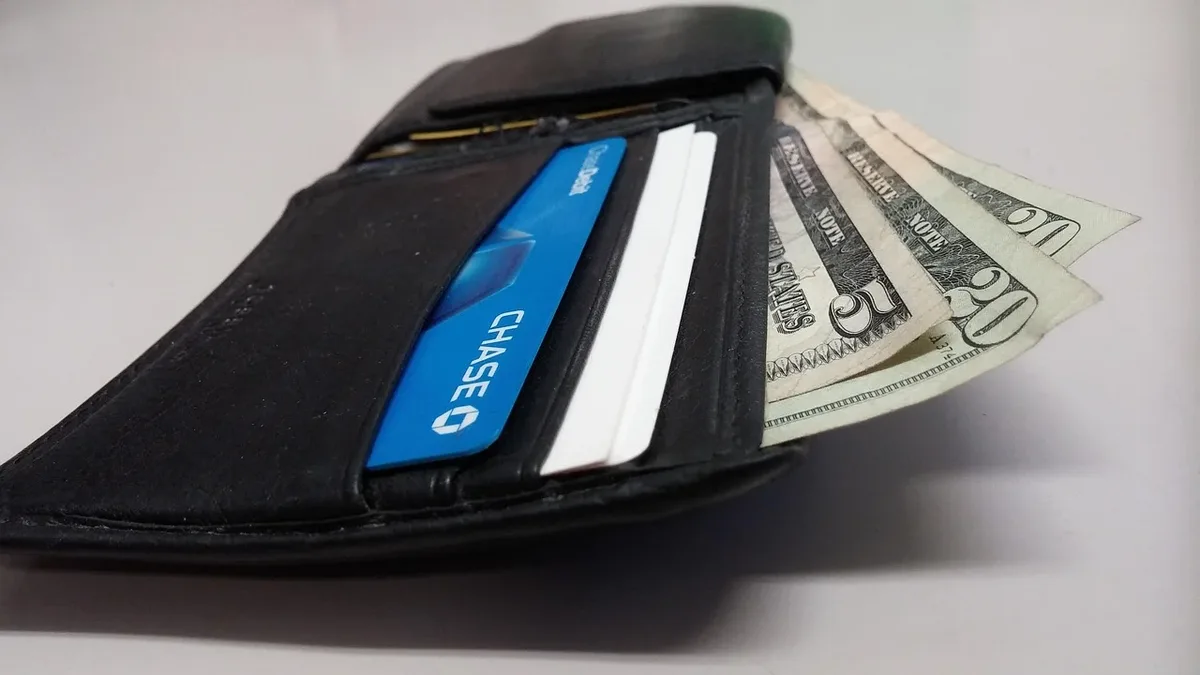
If the provision becomes a convenient way to reclassify routine mechanical cancellations as uncontrollable, passengers may be left to pay for their own hotels and meals. The source concludes that such an outcome would be a loss for travelers, shifting costs from airlines to their customers.