Five Hidden Routines of Business Class Travel
A report details the unseen operational and behavioral systems that separate the business class experience from economy, from segregated boarding to
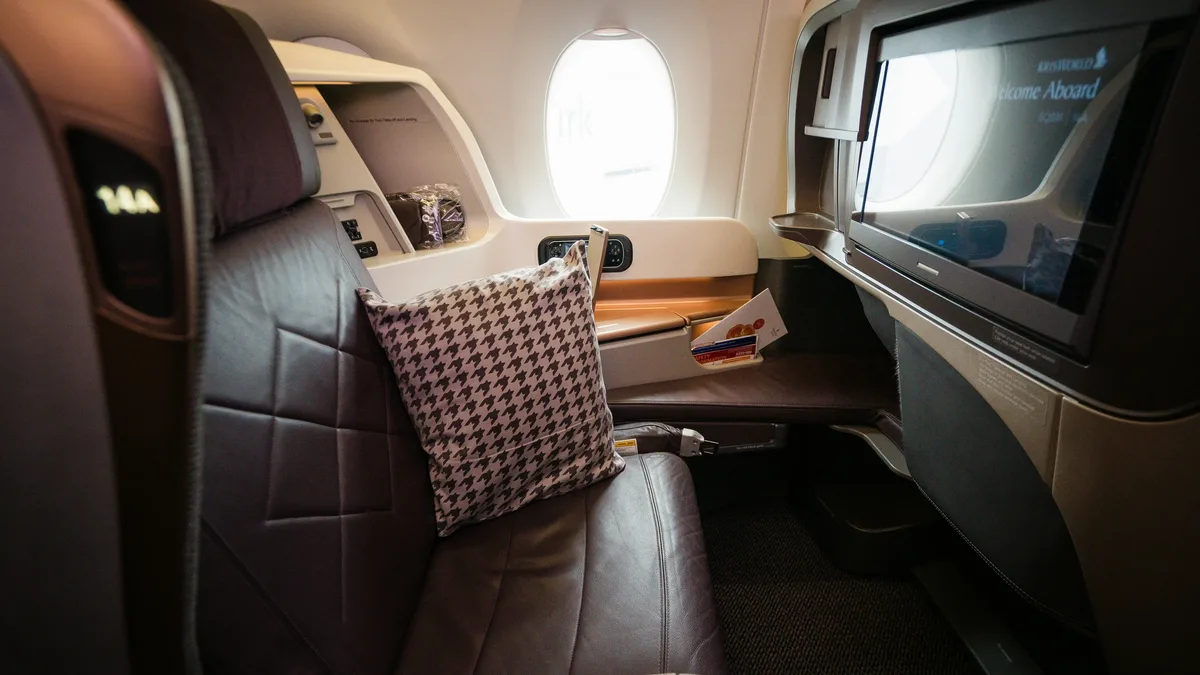
Business class passengers follow a series of hidden routines and benefit from specialized airport and aircraft systems that remain invisible to economy travelers. These practices, ranging from segregated boarding to digital meal pre-ordering, are engineered by airlines to create a seamless and stress-free premium travel experience.
The Architecture of Segregated Boarding
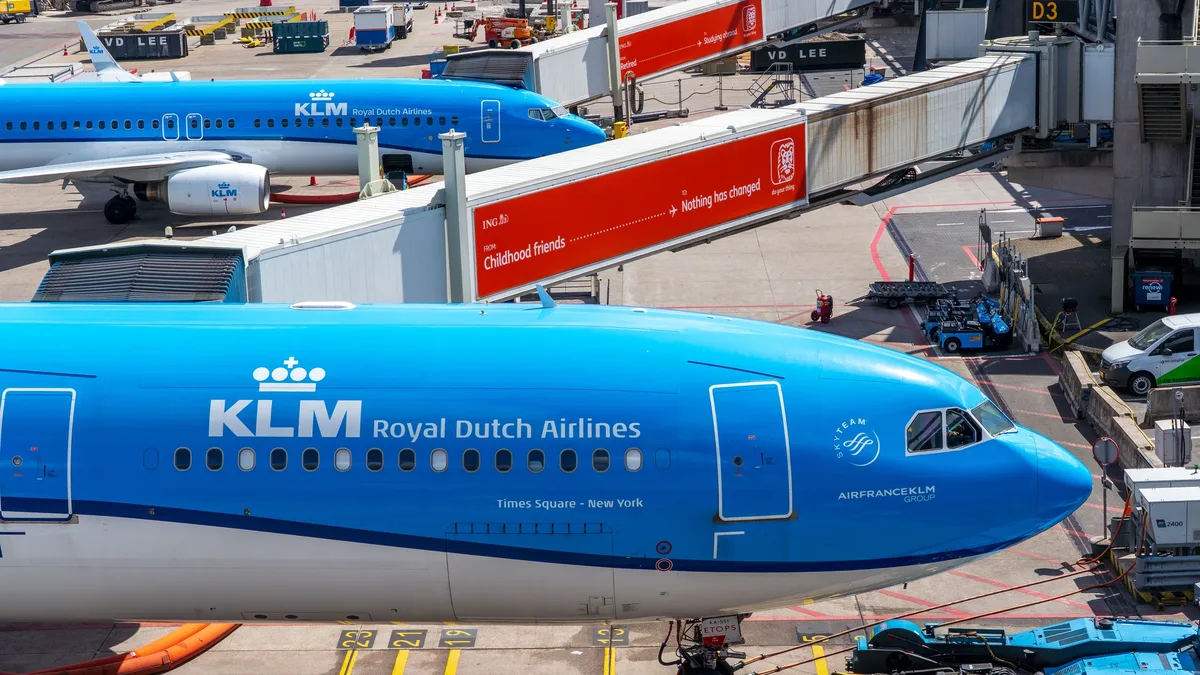
At major international hubs, airport authorities invest in multi-tier gate infrastructure to separate passenger flows. The report cites San Francisco International Airport, where millions were spent on specialized gates with three separate jet bridges connecting to different aircraft levels simultaneously.
When boarding begins, veteran premium travelers do not join the main gate queue. Instead, they use a dedicated upper-level bridge or a separated corridor that channels them directly into the forward cabin. Carriers like Virgin Atlantic use this architecture to guide Upper Class passengers down an isolated walkway, while signage quietly directs other travelers to a secondary door. This architectural compartmentalization means the business class cabin becomes a quiet, controlled environment long before the main passenger queue begins moving through the aircraft.
Digital Dining and Pre-Order Systems
While economy passengers select meals from a trolley based on availability, business class travelers often manage their dining weeks in advance. A significant portion use digital pre-ordering systems to customize their meals before arriving at the airport.
The most prominent example is Singapore Airlines’ 'Book the Cook' service. As documented by One Mile at a Time, this program allows business class passengers to browse an extensive off-menu digital catalog up to six weeks before departure, selecting gourmet dishes or hyper-regional specialties instead of standard onboard options. Emirates, Delta Air Lines, and American Airlines have deployed similar pre-flight selection interfaces. This digital workflow raise the passenger experience and reduces food waste on ultra-long-haul routes.
The Ritual of Changing into Loungewear
On flights extending past 12 hours, seasoned business class passengers often change into loungewear immediately after takeoff. To help this, premium carriers provide specialized sleep kits not available in the main cabin.
Airlines including Qatar Airways and United Airlines (across its international Polaris network) distribute complimentary, high-end pyjamas and slippers designed for the low-humidity conditions of a pressurized cabin. The act of changing into these breathable garments signals the brain to transition into a rest cycle. Combined with high-thread-count bedding, this routine turns the aircraft seat into a bedroom environment, all conducted privately in premium restrooms shortly after the seatbelt sign is turned off.
Use Onboard Social Lounges
To counter the monotony of ultra-long-haul travel, business class travelers use onboard social lounges, a spatial asset separate from the main cabin seating rows. Carriers like Emirates, Qatar Airways, and Virgin Atlantic dedicate significant square footage in their premium zones to fully staffed bars and lounges.
Once cruising altitude is reached, these areas become active hubs where passengers can stand, socialize, or work. The spaces are stocked with premium hors d'oeuvres, boutique wines, and sometimes espresso machines, independent of standard galley service. Positioned behind soundproofing bulkheads and security curtains, these lounges operate in complete isolation, allowing premium travelers to decompress without disrupting the quiet of the primary cabins.
Priority Baggage Handling Protocols
The efficiency of a business class itinerary extends to baggage handling through a specialized protocol known as priority tracking. When premium passengers check luggage, agents attach a brightly colored 'Priority' tag to the handle.
This tag acts as a visual cue for ground crews, who systematically sort and load these bags into aircraft cargo holds positioned directly adjacent to the container doors. Upon arrival, these bags are the first unloaded and rushed to the baggage carousel, frequently appearing before most passengers have cleared immigration. Major international gateways complement this with separate, fast-track immigration and customs lanes for business class travelers, which are often hidden from the general public.