JetBlue Raises Checked Bag Fees to $50 Minimum
JetBlue has increased its checked bag fees for the second time this year, setting a new minimum of $50 each way for domestic flights.
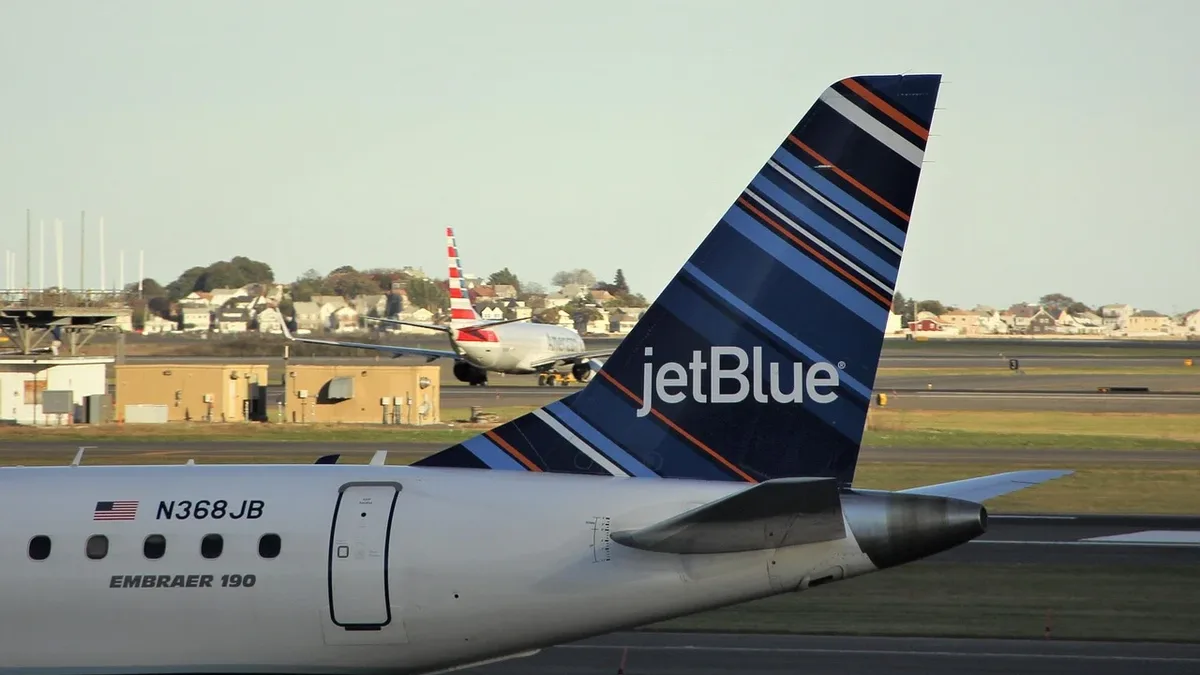
JetBlue has raised checked bag fees again, setting a new minimum of $50 each way for a first checked bag on most North American routes. For the second time in 2024, the airline has increased these charges, with the latest prices applying to all tickets booked on or after November 3.
A second checked bag now costs $70 each way. The fees are even higher for passengers traveling on peak dates or who wait to pay at the airport. This latest hike could trigger another industry-wide round of increases, as competitors have historically matched JetBlue's moves within weeks.
New Fee Structure and Peak Dates
The $50 minimum applies to off-peak travel when the bag fee is paid online more than 24 hours before departure. Travel on peak dates incurs a higher charge.
Peak travel periods now include November 19-30, December 17 through January 18, and a long summer stretch from May 20 to September 8. March 2027 is the only month currently without any peak dates. On these busy days, the advance purchase fee for a first bag rises to at least $55 each way. Paying within 24 hours of departure pushes the cost to $70 each way on peak dates, making a roundtrip $140 for a single bag.
A family of four checking one bag each on a peak-date roundtrip would face a total fee of $440 if paid in advance, or $560 if paid at check-in.
| Bag | Off-Peak (Advance) | Peak (Advance) | Within 24 Hours (Peak) |
|---|---|---|---|
| First Checked Bag | $50 | $55 | $70 |
| Second Checked Bag | $70 | $70 | $85 |
| Third Checked Bag | $200 | $200 | $200 |
Transatlantic baggage fees on basic economy fares have also increased, from $60 to $80 each way off-peak. Standard Main and Main Flex transatlantic fares still include a first checked bag for free.
Exemptions and Financial Pressure
Several groups are exempt from the new fees. JetBlue Mosaic elite members, JetBlue Plus cardholders, and JetBlue Premier World Elite Mastercard holders all receive at least one free checked bag. Travelers booked in JetBlue Mint or the new BlueFirst domestic first class, set to begin December 8, also get baggage allowances.
A JetBlue spokesperson linked the increase to operational costs. "We’re adjusting checked bag fees to help offset rising fuel and operating costs," they said. This helps keep base fares competitive while letting customers choose to pay only if they need the service.
Financial reports show the airline lost $257 million in the third quarter, fueling industry speculation about its stability. Baggage fees provide a direct revenue stream without the need to raise advertised ticket prices, a lever the airline may be relying on more heavily.
A Pattern of Industry Leadership
JetBlue has repeatedly been the first major U.S. carrier to raise bag fees, with rivals consistently following. The airline initiated a move to a $30 first bag in 2018, which United matched within a week. It raised fees to $35 in early 2020, and United announced a similar increase the next month. This spring, JetBlue's late March hike was again followed by United days later.
The current $50 minimum represents a 28% increase from the $39 fee set in March and a 43% jump from the $35 price before that. This pattern marks a shift for an airline that once positioned itself as consumer-friendly. When it first introduced bag fees in 2015, the first bag cost $20 online.
Analysts note that separating fees from fares has a tax advantage for airlines. Domestic airfare is subject to a 7.5% federal excise tax, but separate baggage fees are excluded. Moving revenue from fares to fees saves the carrier money even if the total cost to the customer stays the same.
Bag fee payments are only refundable if the entire trip is canceled before departure. Passengers who pay for a bag but do not check it do not get their money back, meaning the airline collects revenue for services never used.