SeaPort Airlines offers TSA-free flights
SeaPort Airlines operates scheduled flights on nine-seat planes between general aviation airports in the Pacific Northwest, allowing passengers to skip TSA
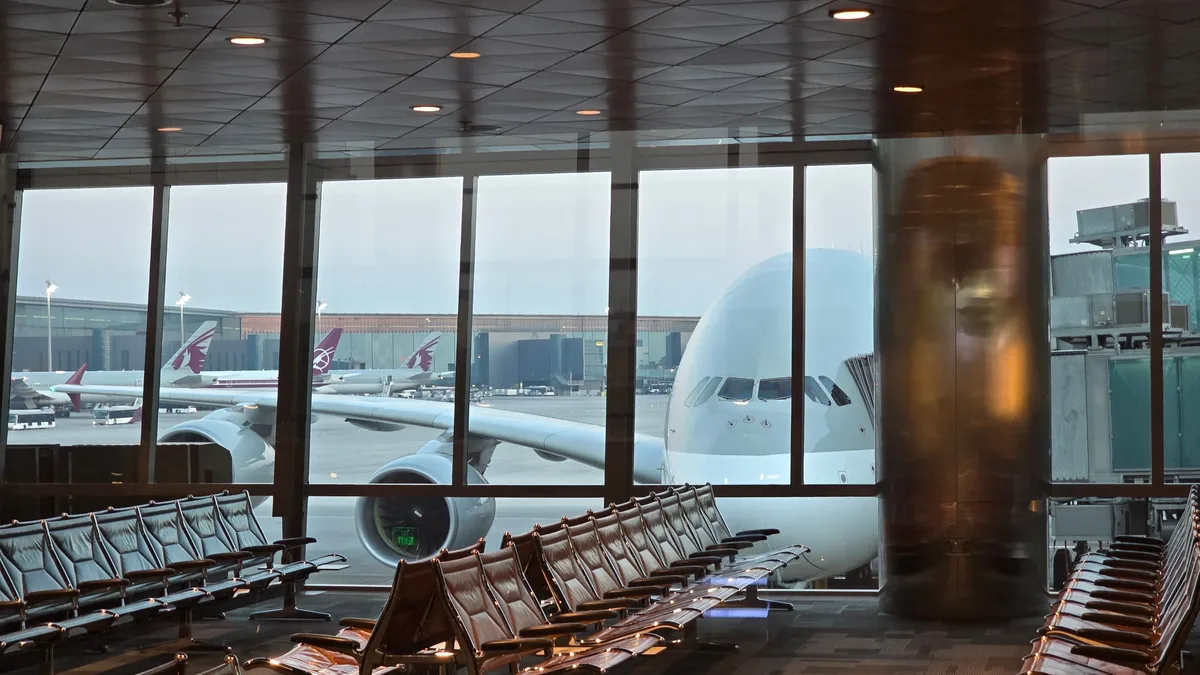
SeaPort Airlines lets passengers skip TSA security screening and arrive just 20 minutes before their flight. The Juneau, Alaska-based carrier operates scheduled service on nine-seat Pilatus PC-12 turboprop planes between small general aviation airports in the Pacific Northwest.
The airline's service connects Felts Field (SFF) in Spokane, Washington, with King County International Airport - Boeing Field (BFI) near Seattle. Flights also operate from Boeing Field to a general aviation provider next to Portland International Airport (PDX), and the airline offered seasonal service to Redmond, Oregon, this summer. These airports are often closer to city centers than major commercial hubs.
The passenger experience
There is no metal detector, formal identification check, or other typical airport security screening. Passengers can bring up to 50 pounds of baggage for free, including a small pet in a carrier, with no limits on liquids. The preflight process involves the pilot and co-pilot greeting passengers in the waiting area, checking names against a list, and walking the group to the plane. Bags are loaded into a netted area at the rear of the aircraft.
Passenger Ken Batali, who flies regularly for work, said the flights save him time and hassle compared to typical commercial travel. A three-member finance team from a Spokane company testing the service noted benefits like free parking and lower Uber fees in Seattle due to landing closer to downtown.
Pricing and convenience for business travel
Booking weeks in advance on SeaPort usually costs about $50 more than advance bookings on Alaska Airlines or Delta Air Lines for routes between the larger Seattle-Tacoma (SEA) and Spokane International (GEG) airports. However, for last-minute bookings, the dynamic changes.
"Booking last minute, as I usually do, I can always get a seat, and the ticket price is the same as last minute on Alaska," Batali said. He expressed concern that if word spreads, securing last-minute reservations on the small aircraft could become more difficult and expensive.
First-time passenger Brian Hayvaz, vice president of operations for Aircare International, found the pricing competitive after the flight appeared in a regular commercial search. "It's easy and convenient," Hayvaz said. "I'd fly this airline to other destinations if I could."
The passenger mix includes many business travelers. Andy Kline, SeaPort Airlines' marketing manager, said the airline also attracts electricians, roofers, project managers, and contractors. "It's a lot of people who need to get to job sites in other cities and a lot of people who charge by the hour," Kline noted.
The service offers a different, often more convenient and less expensive way to travel regionally, with a definite private-jet feeling reported on board the small turboprop planes.
The regulatory basis for relaxed security
The absence of TSA-style screening is permitted because SeaPort operates as a Part 135 carrier under Federal Aviation Administration regulations. These rules govern scheduled service carriers using planes with nine or fewer passengers. Airline staff monitor for hazardous materials and passengers who may be unfit for travel.
As Hansford Smith, vice president of risk management at Silver Air Private Jets, noted, "The absence of a traditional checkpoint does not mean there is no security screening." Aviation attorney Mark A. Dombroff explained that required security protocols for Part 135 operators like SeaPort, JSX, or Cape Air are often determined case-by-case by the TSA. Factors can include the airports involved and the aircraft's weight and seating capacity.