Mesa Airlines
| Airline type | Regional carrier |
|---|---|
| Country of origin | United States |
| First created | 1980s |
| Original use | Scheduled passenger air service |
| Primary operating model | Contracted capacity provider for major airlines |
| Primary aircraft family | Embraer regional jets |
| Cabin product provided | Economy class seating as defined by contracting major airline |
| Typical route structure | Short-haul feeder flights to major airline hubs |
Origin and history
Mesa Airlines is a regional airline founded in the United States in the late 1970s. It was established in New Mexico, with its early operations focused on providing air service to smaller communities. The airline initially operated under its own brand with a small fleet of propeller aircraft. Throughout the 1980s and 1990s, it expanded significantly by entering into capacity purchase agreements with major carriers. This shift marked a fundamental change from an independent operator to a contracted regional feeder airline. Its growth was characterized by acquiring other regional carriers and operating an increasing number of jet aircraft on behalf of its partner airlines.
What it is for
Mesa Airlines exists to operate regional flights under contract for larger major airlines. Its primary function is to feed passenger traffic from smaller cities into the major hubs of its partner carriers. The airline does not sell tickets directly to the public under its own brand for these contracted services. It provides the aircraft, crews, and operational execution while the major airline handles branding, pricing, and customer service. This model allows the major airline to serve thinner routes without operating smaller aircraft themselves. The cabin product and service standards are dictated entirely by the airline whose livery is on the aircraft.
Pros and cons
A primary advantage is access to destinations and frequencies that major airlines would not serve with their mainline fleets. The operational model provides a relatively consistent and predictable revenue stream for the airline through its contracts. For travelers, it creates a seamless connection under a single ticket on a major network. A significant con is the inherent inconsistency in the passenger experience, as it depends entirely on which major carrier's brand and rules are being applied that day. Common passenger regrets stem from confusion over policies, as baggage fees, boarding processes, and loyalty earnings follow the major carrier's rules, not Mesa's. The most frequent operational complaints from travelers involve last-minute aircraft or schedule changes and a perceived lack of direct accountability when service issues arise, as the contracting major airline is the public-facing entity.
Who it suits
This airline suits travelers whose itineraries originate or terminate in smaller regional markets connected to a major hub. It is a necessary choice for passengers who require air service to communities without direct mainline jet service. The product suits those who prioritize network reach and schedule frequency over a consistent specific regional carrier experience. It is less suited for aviation enthusiasts or travelers who specifically seek to avoid regional jet travel due to seat size or baggage compartment limitations. The service is appropriate for passengers comfortable with understanding that their contractual relationship is with the major marketing carrier, not the operating airline. It fundamentally suits the business model of major network airlines that rely on extensive feeder systems to consolidate traffic.
Latest Mesa Airlines news
Latest reporting

United passenger wins 'Poorlaris' lottery on Newark-Paris flight
A United Airlines passenger secured an entire empty economy row on a full flight from Newark to Paris, creating a spacious, restful overnight...
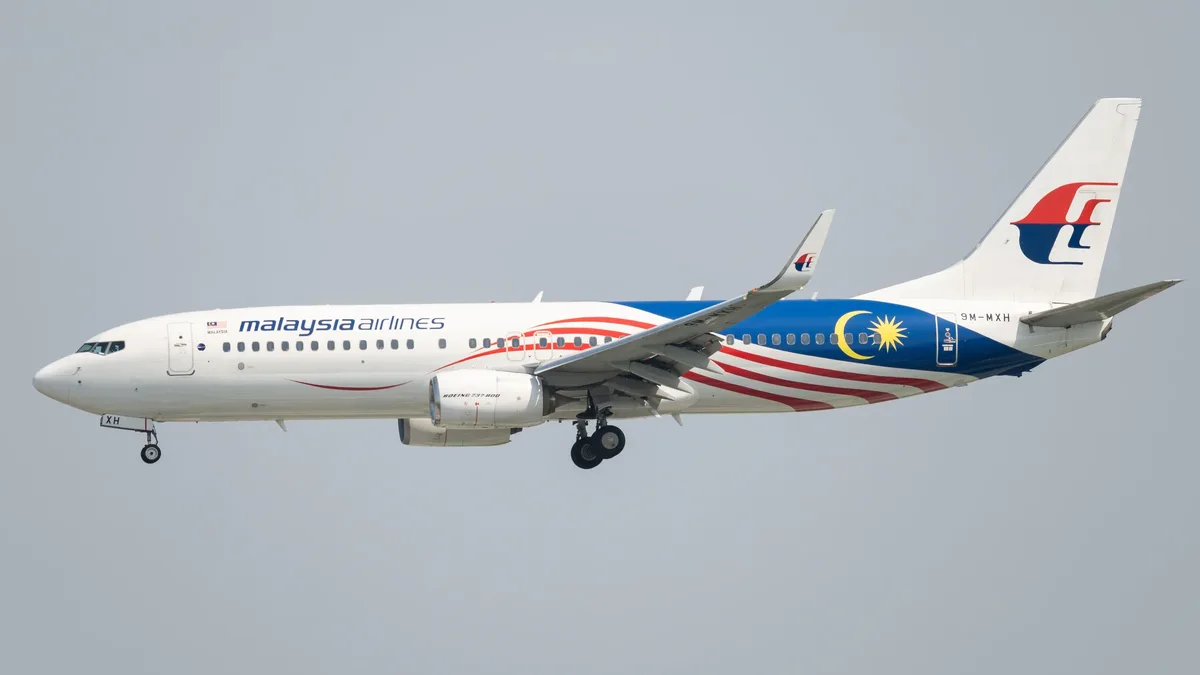
Forbes' MH370 Teleportation Theory Gains Viral Traction
A fringe theory claiming the U.S. military teleported Malaysia Airlines Flight MH370 using flying orbs is gaining attention through viral media...
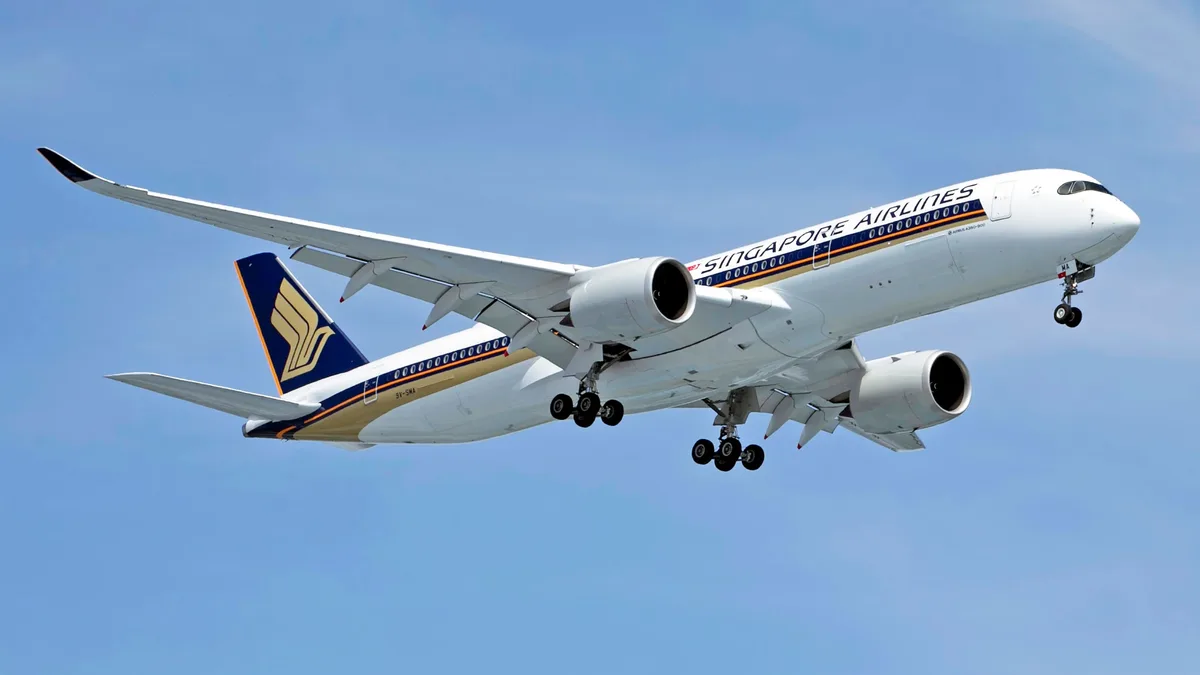
Singapore Airlines faces criticism over new business class seat
Singapore Airlines' newly unveiled business class seat has drawn public criticism for its grey and yellow colour scheme and narrower width, prompting...
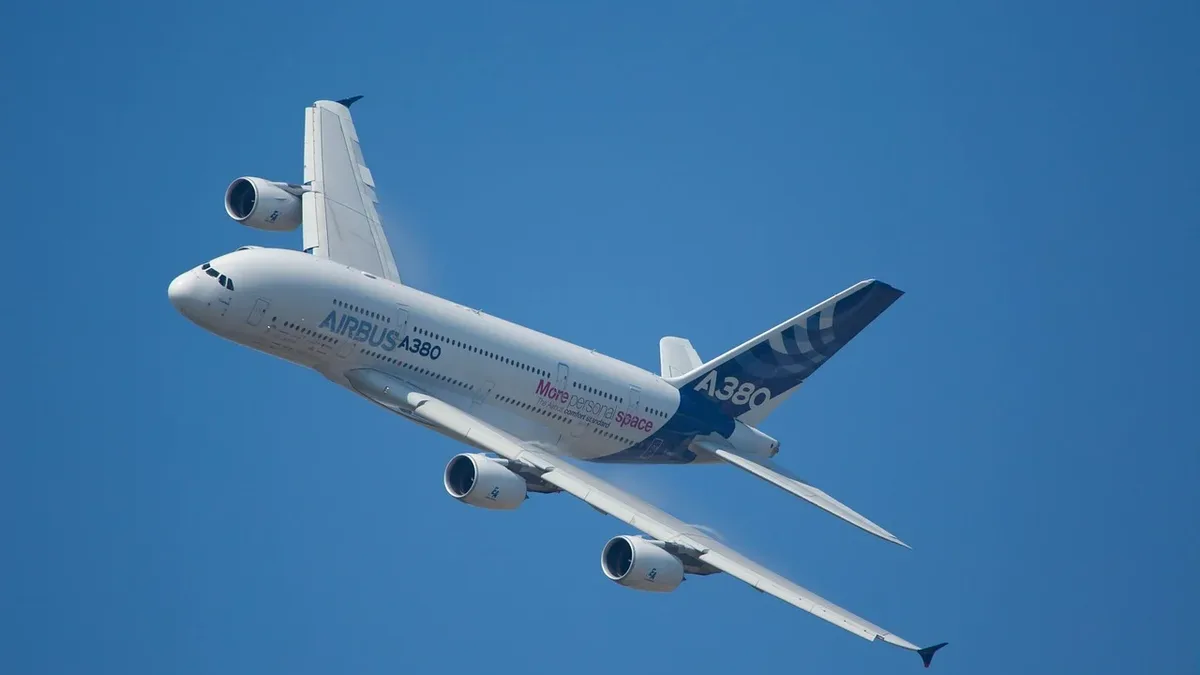
Global Airlines Liquidated by UK Court, Ending A380 Ambition
The UK High Court ordered Global Airlines into compulsory liquidation on November 4, 2026, following a creditor's petition.
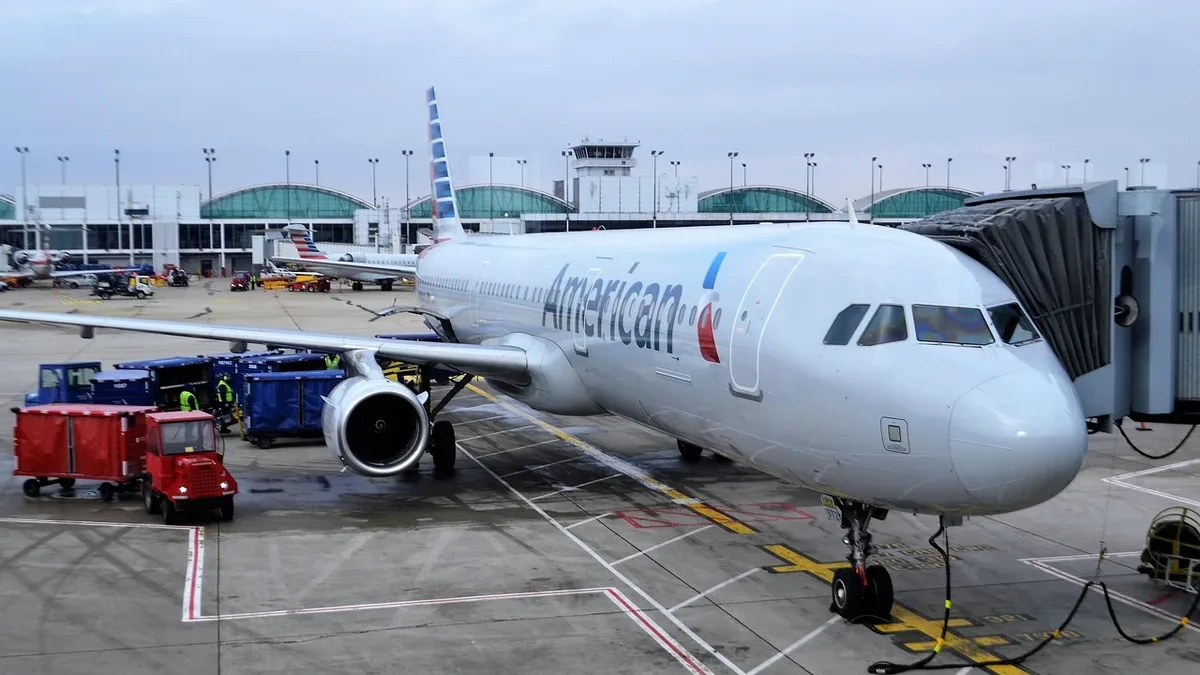
American Airlines Tightens Basic Economy Rules for Upgrades in 2026
American Airlines will exclude Basic Economy fares from complimentary upgrades and Loyalty Points earning starting May 2026, clarifying how budget...

United Airlines to modernize its aging 757-300 fleet
United Airlines is planning a major cabin refresh for its 21 aging Boeing 757-300s, adding larger overhead bins, seatback entertainment, and Starlink...