
Airbus A319
| Manufacturer | Airbus |
|---|---|
| Original use | Short to medium-haul passenger airliner |
| Typical seating capacity | 124 to 156 passengers (two-class) |
| Typical range | 3,700 nautical miles (6,850 km) |
| Cabin width | 3.70 meters (12 feet 1 inch) |
| Fuselage cross-section | Common with other Airbus A320 family aircraft |
| Engines | Two under-wing turbofan engines (models vary by airline specification) |
Origin and history
The Airbus A319 originates from Europe, being designed and manufactured by the multinational Airbus consortium. Its development was launched in the early 1990s as a direct derivative of the foundational Airbus A320 model. The primary motivation was to create a shorter-fuselage version to compete in the market segment dominated by aircraft like the Boeing 737-300 and -700. The first flight of the A319 occurred in the mid-1990s, with entry into service following shortly thereafter. It was developed during a period when airlines were increasingly seeking efficient, common-family aircraft for thinner routes. The aircraft's history is intrinsically linked to the success of the A320 family's commonality principle, allowing it to be adopted quickly by existing A320 operators.
What it is designed for
The Airbus A319 is designed as a short-to-medium-haul narrow-body jet airliner for passenger service. Its core design purpose is to serve routes with lower passenger demand where a full-sized A320 would be uneconomical, often called "thin routes." The aircraft is engineered to operate efficiently on sectors ranging from high-frequency shuttle services between major cities to longer domestic and international routes of several hours. It is specifically configured to carry typically between 124 and 156 passengers in a standard two-class cabin layout, though high-density layouts exist. The design prioritizes commonality with the A320, allowing pilots to fly both types with a single type rating and simplifying maintenance and training. This makes it an ideal tool for airlines to right-size capacity while maintaining fleet flexibility and operational efficiency.
Development and versions
The development of the Airbus A319 leveraged the existing A320 design, focusing primarily on a reduced fuselage length by removing four frame plugs forward and aft of the wing. This approach minimized development cost and time while ensuring maximum parts commonality. The initial version is the A319-100, which represents the standard production model. A key variant is the A319LR (Long Range), which features additional fuel tanks in the cargo hold, allowing for extended range operations up to transatlantic sectors. The A319CJ (Corporate Jet) is a business jet variant with strengthened structure and enhanced systems for private and VIP transport. Furthermore, the Airbus A319neo (New Engine Option) was launched in the 2010s, featuring new, more efficient engines and aerodynamic improvements like Sharklets. All versions retain the hallmark fly-by-wire controls and sidestick operation common to the A320 family.
Pros and cons
A primary advantage of the Airbus A319 is its excellent commonality with the larger A320 and A321, which drastically reduces airline training and maintenance costs. Its right-sized capacity allows airlines to serve thinner routes profitably while maintaining high frequency, a key competitive tool. The aircraft's performance is also strong, with good hot-and-high capabilities and the range to operate longer thin routes, including some transatlantic services when specially configured. A significant con is that, on a per-seat basis, it can be less fuel-efficient than its larger siblings, making it comparatively costly to operate on routes where demand could fill an A320. Passengers may find the cabin feels narrower and more cramped than on newer generation aircraft, especially with standard 30-inch seat pitch in economy. A common mistake for airlines is deploying the A319 on dense, high-demand routes where its smaller capacity leads to lost revenue and higher per-passenger costs compared to a larger aircraft.
Who it suits
The Airbus A319 suits airlines that already operate the A320 family, as they can integrate it seamlessly into their existing fleet and operations. It is particularly well-suited for network carriers needing a aircraft for lower-demand routes from their hubs or for maintaining service to smaller regional destinations. Low-cost carriers also utilize the A319, especially in markets where frequency is more critical than maximum per-flight capacity or where airport constraints exist. The A319LR variant suits airlines looking to open point-to-point long, thin routes, such as between secondary cities across the Atlantic, without the commitment of a wide-body aircraft. It is less suited for new airline startups that do not already have an A320 family infrastructure, as the benefits of commonality would be lost. The aircraft also suits markets where passenger demand is consistent but modest, and where operational flexibility to swap with other A320 family aircraft is valuable.
Latest Airbus A319 news
Latest reporting

Aeroflot A321 Abandoned at Geneva Airport Since 2022
An Aeroflot Airbus A321 has been stranded at Geneva Airport since February 2022 due to sanctions. The aircraft, reportedly rat-infested and...
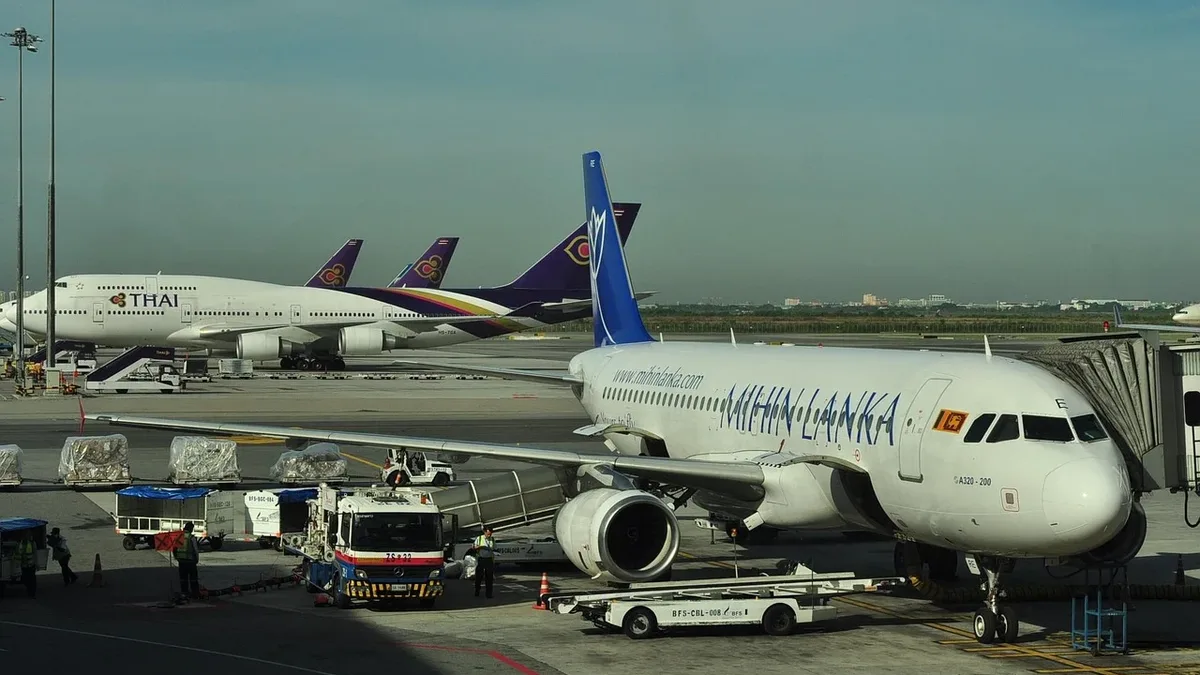
Aeroflot A321 Stranded In Geneva For Over Four Years
An Aeroflot Airbus A321 has been stuck at Geneva Airport since February 2022 due to sanctions from Russia's invasion of Ukraine.
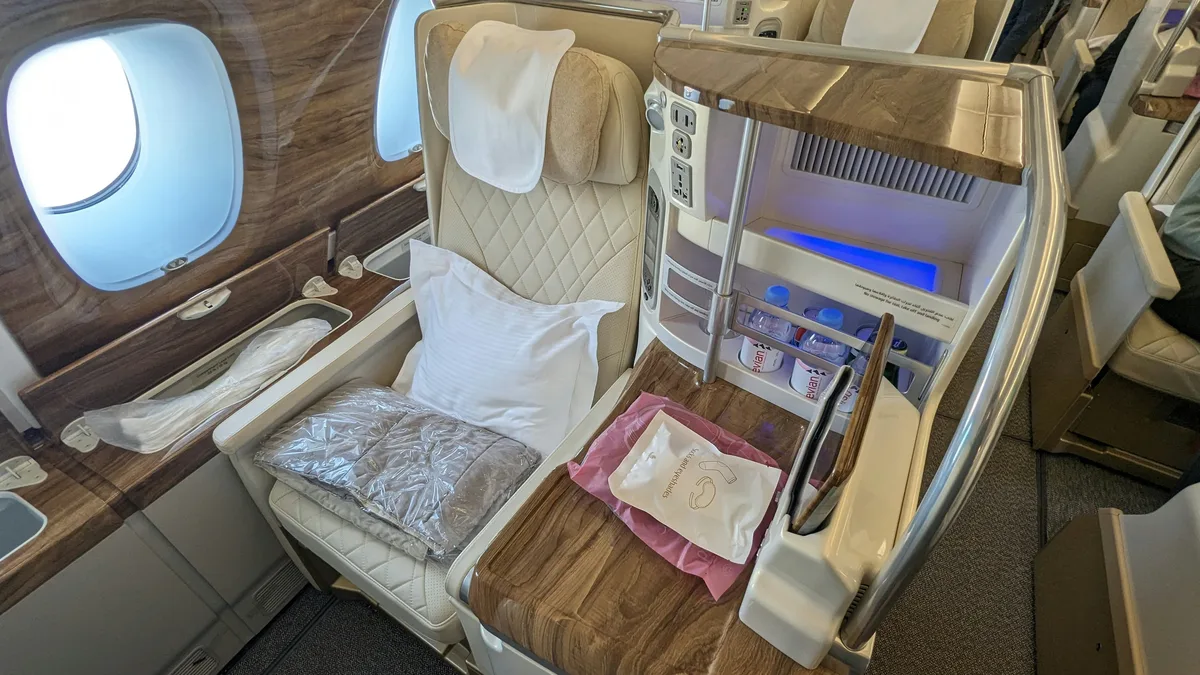
Air Greenland's A330-800neo Premium Class First Impressions
A first look at Air Greenland's premium cabin on its rare Airbus A330-800neo, detailing the seat configuration, meal service, and onboard amenities...

A320neo and 737 MAX jets to be dismantled
More than ten Airbus A320neo and Boeing 737 MAX aircraft will be torn down this year by Tarmac Aerosave for parts supplier AerFin, highlighting strong

Philippine Airlines Deploys New Airbus A350-1000 on San
Philippine Airlines is using its newly delivered Airbus A350-1000 aircraft to replace Boeing 777-300ERs on its ultra-long-haul San Francisco service.
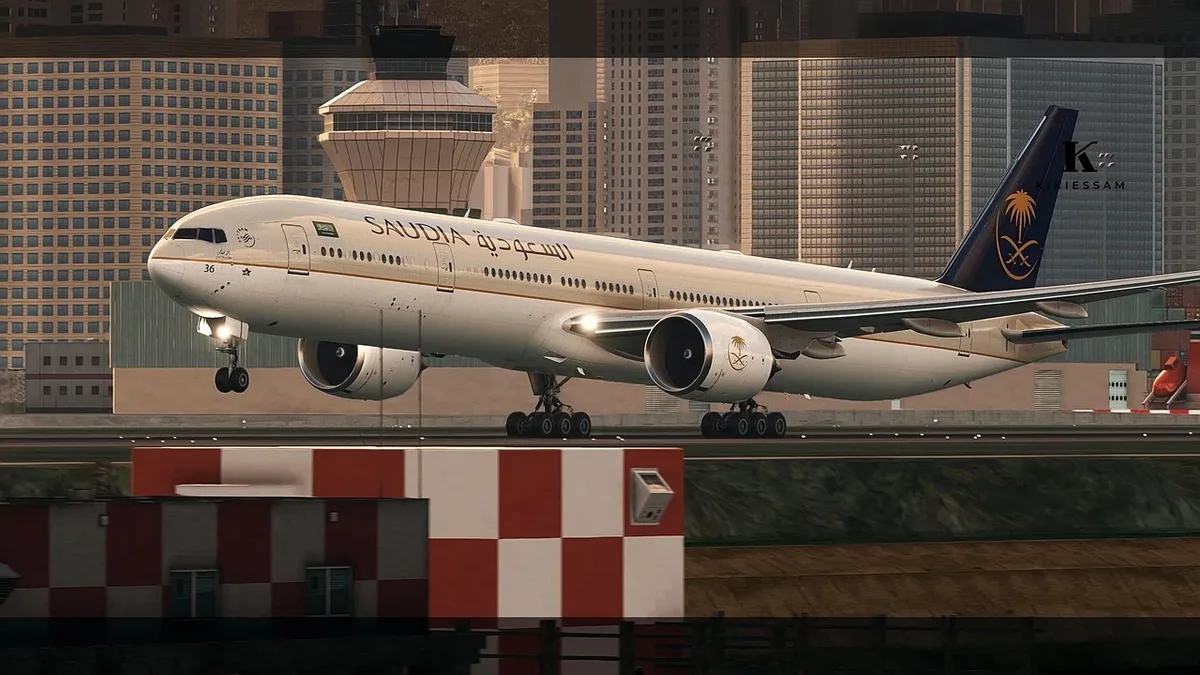
Saudia A330 Business Class
Saudia's Airbus A330-300 business class offers a great experience on short haul flights, with a full meal, friendly service, and a flat bed.