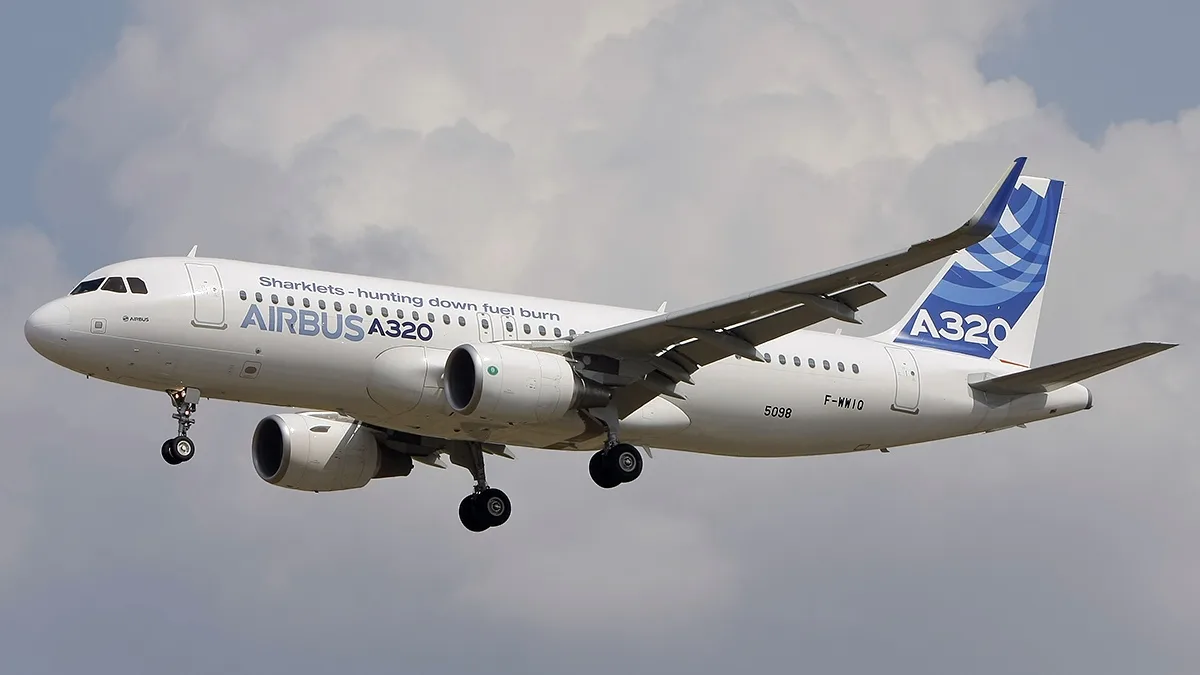
Airbus A320
| Manufacturer | Airbus |
|---|---|
| First flight | 1987 |
| Original use | Short- to medium-haul passenger airliner |
| Typical seating capacity | 150 to 180 passengers |
| Typical range | 3,300 to 3,600 nautical miles |
| Wingspan | 35.8 meters |
| Cabin width | 3.70 meters |
Origin and history
The Airbus A320 originates from Europe, developed by the commercial aircraft manufacturing consortium Airbus. Its development was launched in the 1980s as a direct competitor to established narrow-body aircraft from American manufacturers. The program was formally announced in March 1984, with the first flight taking place in the late 1980s. It entered commercial service with Air France in the spring of 1988, marking a significant entry into the short- to medium-haul market. The aircraft's introduction represented a major technological leap for Airbus, establishing its position as a full-range aircraft producer. Its development was a pivotal moment in the formation of a duopoly in the single-aisle aircraft market.
What it is designed for
The Airbus A320 is designed as a single-aisle, twin-engine jet airliner for short to medium-haul routes. Its primary design mission is to efficiently carry between 140 and 180 passengers in a typical two-class cabin layout over distances up to approximately 3,300 nautical miles. The aircraft is engineered for high-frequency, point-to-point operations typical of domestic and regional flights. It is optimized for quick turnarounds at the gate, with systems and architecture supporting rapid boarding, refueling, and servicing. The design prioritizes fuel efficiency and lower operating costs per seat, making it economically viable for high-volume routes. Its commonality with other Airbus family aircraft was also a core design principle to reduce training and maintenance costs for airlines.
Development and versions
The original A320-100 variant was produced in very limited numbers, followed quickly by the improved and more popular A320-200 with wingtip fences and increased fuel capacity. Airbus subsequently developed a stretched-fuselage version, the A321, and shortened versions, the A319 and A318, to create a complete family covering a range of capacities and ranges. A major development milestone was the launch of the A320neo (New Engine Option) family in the 2010s, featuring new-generation engines and aerodynamic improvements like Sharklets. The neo variants, including the A320neo, A321neo, and A319neo, offer significantly reduced fuel consumption and operating costs. Continuous development has also included cabin innovations and incremental aerodynamic tweaks across the production run. The platform's digital fly-by-wire control system, first introduced on this aircraft family, has been a constant and refined feature throughout all versions.
Pros and cons
A primary advantage of the A320 family is its exceptional commonality, allowing pilots to transition between different types within the family with minimal training. The aircraft's fuel efficiency, especially in neo variants, provides airlines with a direct and significant reduction in operating costs on competitive routes. For passengers, the cabin often feels modern and spacious due to its wide single-aisle fuselage and efficient use of interior space. A common con is that the standard 3-3 seating configuration in economy class can feel cramped, particularly as airlines have reduced seat pitch to maximize capacity. The aircraft's ubiquity means many travelers experience it on very short sectors, where its full capabilities are not utilized and the boarding/deboarding process can feel repetitive. A frequent passenger complaint centers on overhead bin space, which can become severely limited on full flights despite design improvements, leading to gate-checking of bags.
Who it suits
The Airbus A320 family suits airlines operating dense, frequent routes between major city pairs, such as New York to Chicago or London to Barcelona, where its capacity and efficiency are maximized. It is ideal for low-cost carriers whose business models depend on high aircraft utilization, quick turnarounds, and low seat-mile costs. The aircraft suits route networks that require flexibility, as an airline can deploy the standard A320, the smaller A319, or the larger A321 on different legs while using a common pilot pool. It is less suited for very long, thin routes where a wide-body aircraft's comfort and cargo capacity are necessary, or for remote airports with stringent performance requirements better met by other aircraft types. For the passenger, it suits the traveler who prioritizes price and frequency over cabin space and luxury on journeys typically under five hours. The frequent business flyer on regional routes will encounter this aircraft constantly, for better or worse, due to its dominance in the market.
Latest Airbus A320 news
Latest reporting
Aeroflot A321 Abandoned at Geneva Airport Since 2022
An Aeroflot Airbus A321 has been stranded at Geneva Airport since February 2022 due to sanctions. The aircraft, reportedly rat-infested and...
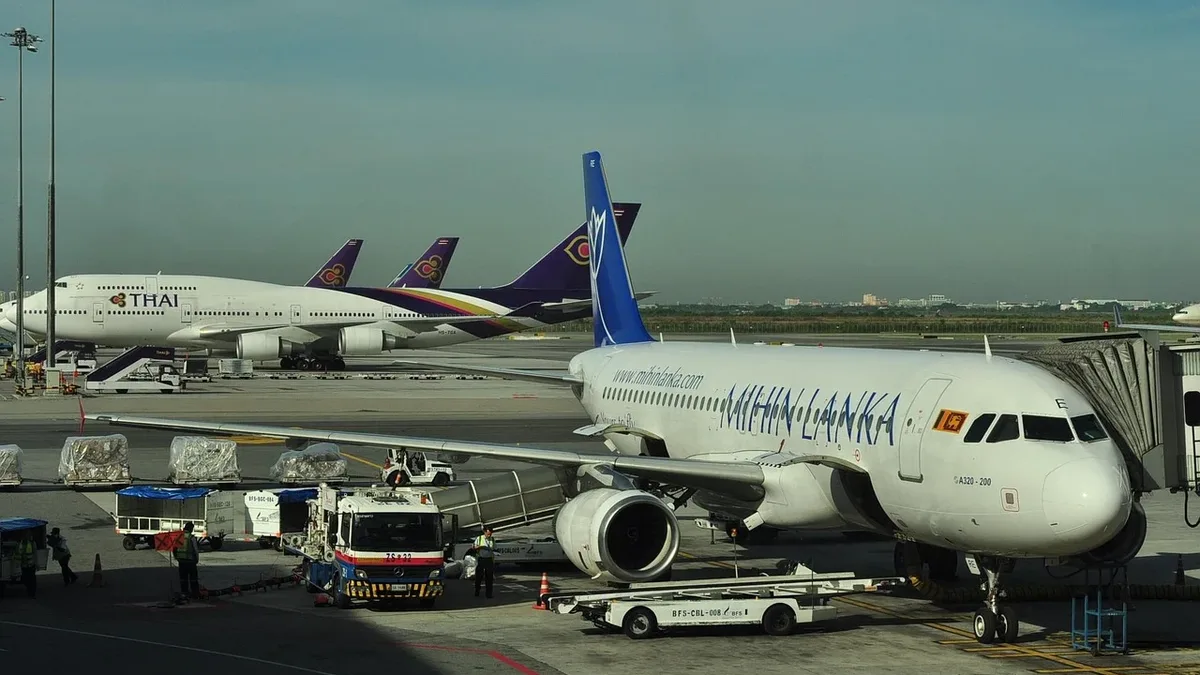
Aeroflot A321 Stranded In Geneva For Over Four Years
An Aeroflot Airbus A321 has been stuck at Geneva Airport since February 2022 due to sanctions from Russia's invasion of Ukraine.
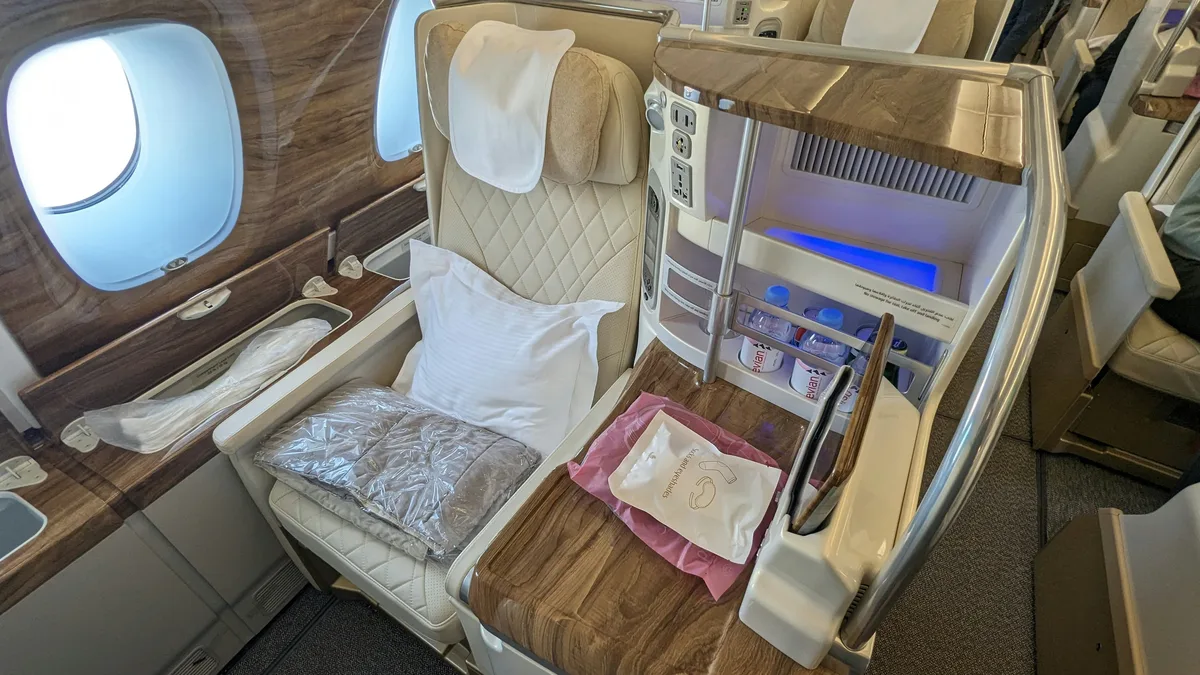
Air Greenland's A330-800neo Premium Class First Impressions
A first look at Air Greenland's premium cabin on its rare Airbus A330-800neo, detailing the seat configuration, meal service, and onboard amenities...
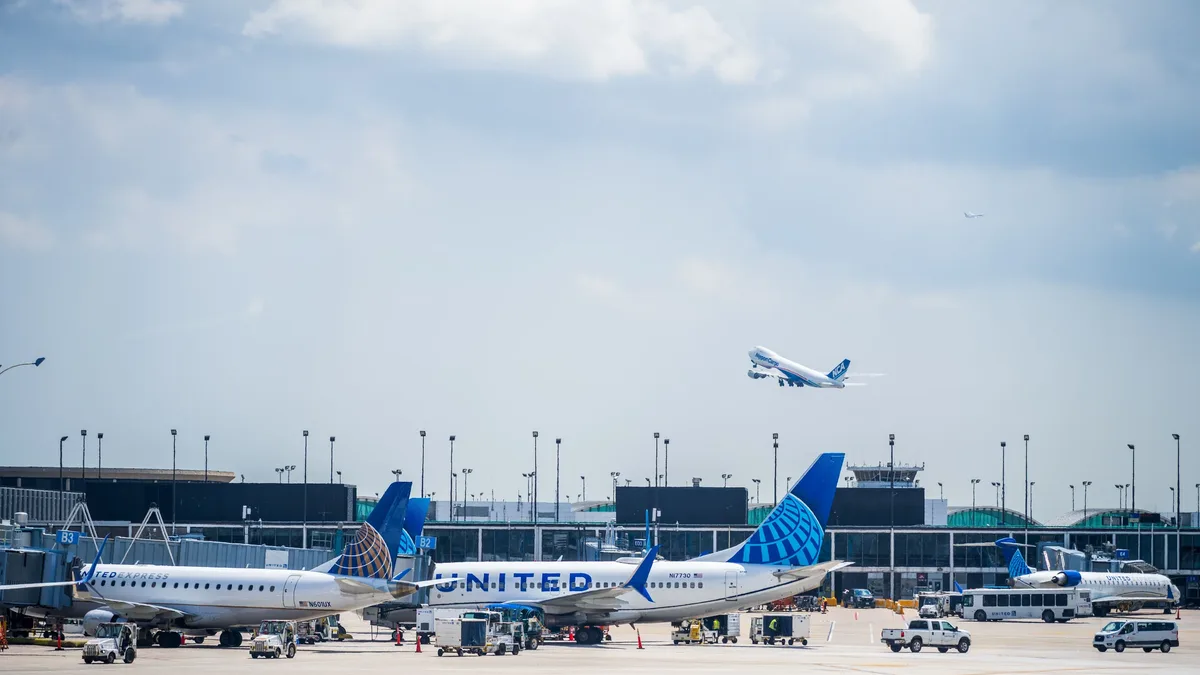
A320neo and 737 MAX jets to be dismantled
More than ten Airbus A320neo and Boeing 737 MAX aircraft will be torn down this year by Tarmac Aerosave for parts supplier AerFin, highlighting strong
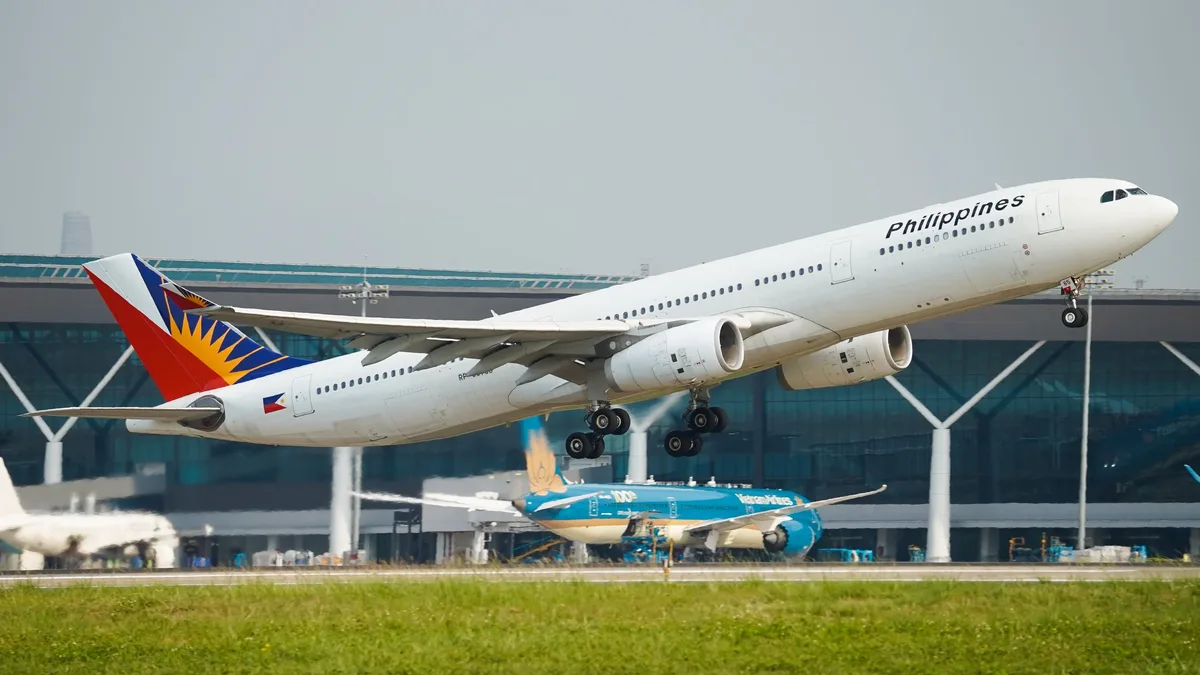
Philippine Airlines Deploys New Airbus A350-1000 on San
Philippine Airlines is using its newly delivered Airbus A350-1000 aircraft to replace Boeing 777-300ERs on its ultra-long-haul San Francisco service.
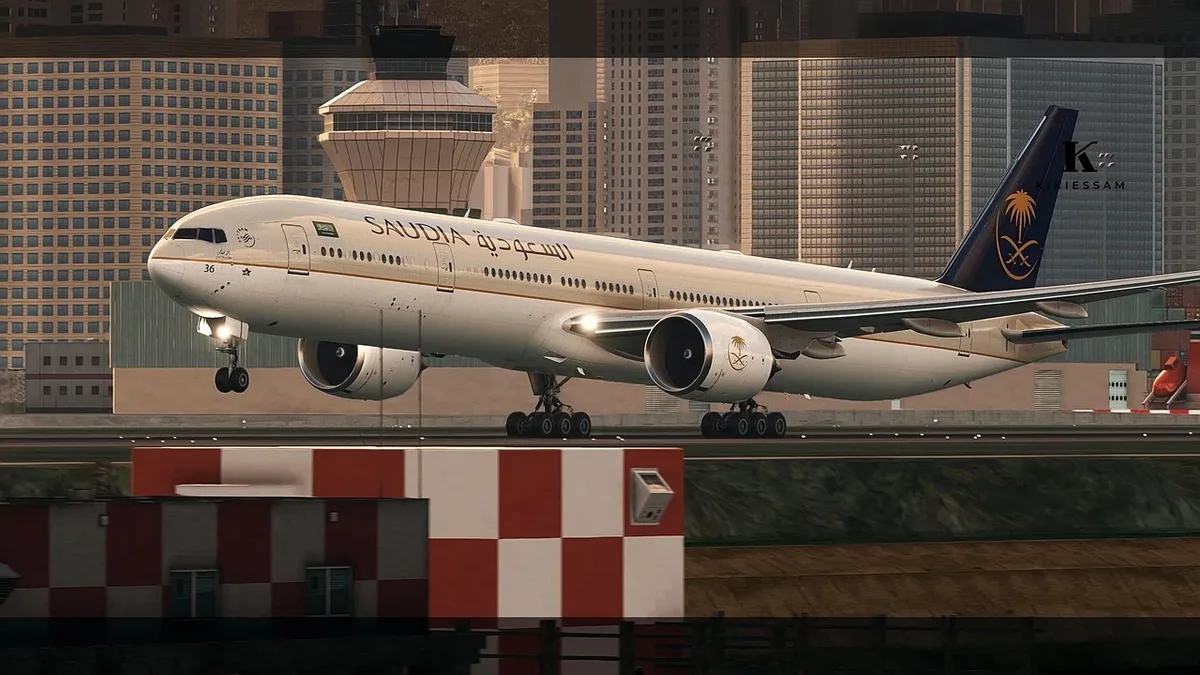
Saudia A330 Business Class
Saudia's Airbus A330-300 business class offers a great experience on short haul flights, with a full meal, friendly service, and a flat bed.