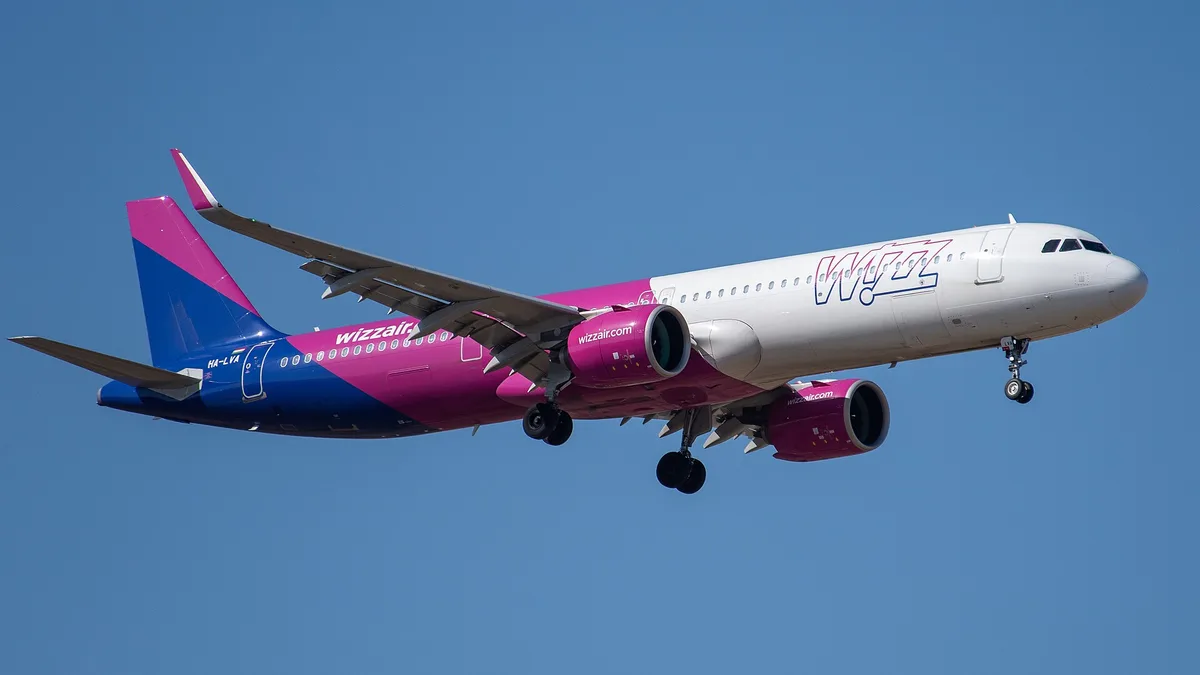
Airbus A321Neo
| Manufacturer | Airbus |
|---|---|
| First flight | 2016 |
| Original use | Commercial narrow-body passenger airliner |
| Typical seating (two-class) | 180 to 220 passengers |
| Typical range | 4,000 to 4,700 nautical miles |
| Cabin width | 3.70 meters |
| Engine options | Pratt & Whitney PW1100G or CFM International LEAP-1A |
Origin and history
The Airbus A321neo originates from Europe, being developed by the multinational aerospace consortium Airbus. It is a direct development of the earlier A321 model from the A320 family, which was first introduced in the 1990s. The "neo" variant, standing for "New Engine Option," was officially launched in the 2010s. This launch was a strategic response to evolving market demands for greater efficiency and to competitive pressures from rival aircraft manufacturers. Its development is part of a broader modernization of the successful A320 family, which has been a staple of short- and medium-haul fleets globally for decades. The history of the A321neo is therefore rooted in the continuous evolution of a pre-existing, highly successful aircraft platform.
What it is designed for
The Airbus A321neo is designed as a single-aisle, twin-engine jet for high-density passenger routes. Its primary design goal is to offer airlines significantly lower operating costs per seat compared to previous generation aircraft. The aircraft is engineered to serve medium-haul routes efficiently, typically covering distances up to approximately 4,000 nautical miles depending on configuration. This range allows airlines to deploy it on longer domestic flights, transcontinental routes, and certain thinner international routes that do not justify a larger wide-body aircraft. The cabin is designed to be configurable for high passenger counts, often exceeding 200 seats in a typical two-class layout, maximizing revenue potential on busy routes. Fundamentally, it is a tool for airlines to increase capacity and reduce fuel burn on routes where passenger demand is strong but not overwhelming.
Development and versions
The development of the A321neo centered on the integration of new-generation, fuel-efficient engines, namely the Pratt & Whitney PW1100G or the CFM International LEAP-1A. These engines provide the core of the aircraft's improved performance and reduced noise footprint. Airbus also incorporated aerodynamic enhancements, including the distinctive "sharklet" wingtip devices, to improve fuel efficiency further. The primary versions include the base A321neo and the extended-range A321LR (Long Range), which features additional fuel tanks for routes up to 4,000 nautical miles. A further development is the A321XLR (Extra Long Range), launched in the late 2010s, designed to push the range beyond 4,700 nautical miles, opening up new transatlantic and other long, thin routes. These versions demonstrate a development path focused on leveraging the same airframe for increasingly long missions, blurring the line between traditional narrow-body and wide-body operations.
Pros and cons
A major pro for airlines is the aircraft's superior fuel efficiency, which directly lowers operating costs and reduces carbon emissions per seat. The commonality with the previous A320 family reduces pilot training costs and simplifies maintenance procedures for carriers already operating Airbus narrow-bodies. For passengers, the cabin often features newer interior designs with larger overhead bins and updated lighting, though the seat itself is provided by the airline, not Airbus. A significant con is that the high-density configurations favored by many carriers to maximize revenue can result in a very cramped passenger experience, especially in the standard economy cabin where seat pitch is entirely at the airline's discretion. The aircraft's elongated fuselage can also lead to longer boarding and deplaning times compared to shorter models, potentially impacting turnaround schedules. A common mistake for airlines is overestimating demand on very long routes served by the LR/XLR versions, where the single-aisle cabin and limited lavatory facilities may dissatisfy passengers accustomed to wide-body comfort on similar-length journeys.
Who it suits
The A321neo suits large network carriers that need an efficient, high-capacity aircraft for hub-and-spoke operations on busy domestic and European or Asian regional routes. It is equally suited to low-cost carriers seeking the lowest possible cost per seat to compete aggressively on price-sensitive, high-volume routes. The LR and XLR variants specifically suit airlines looking to open new point-to-point, long-haul routes between cities that cannot support daily wide-body service, allowing for market experimentation with lower risk. It does not typically suit airlines with very short, regional hop networks where smaller aircraft like the A220 or Embraer E-Jets would be more efficient. For the passenger, this aircraft suits those prioritizing ticket price and direct routing over cabin space, as the onboard experience is overwhelmingly determined by the purchasing airline's choice of seat density and service package.
Latest Airbus A321Neo news
Latest reporting
Aeroflot A321 Abandoned at Geneva Airport Since 2022
An Aeroflot Airbus A321 has been stranded at Geneva Airport since February 2022 due to sanctions. The aircraft, reportedly rat-infested and...
Aeroflot A321 Stranded In Geneva For Over Four Years
An Aeroflot Airbus A321 has been stuck at Geneva Airport since February 2022 due to sanctions from Russia's invasion of Ukraine.
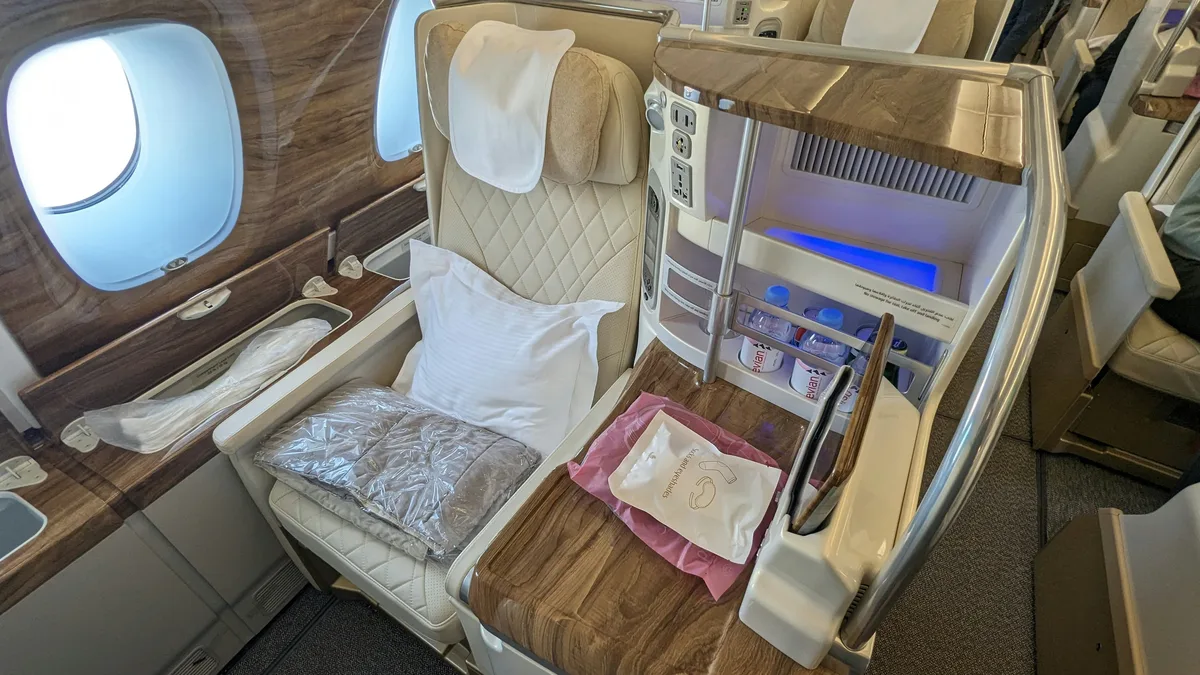
Air Greenland's A330-800neo Premium Class First Impressions
A first look at Air Greenland's premium cabin on its rare Airbus A330-800neo, detailing the seat configuration, meal service, and onboard amenities...
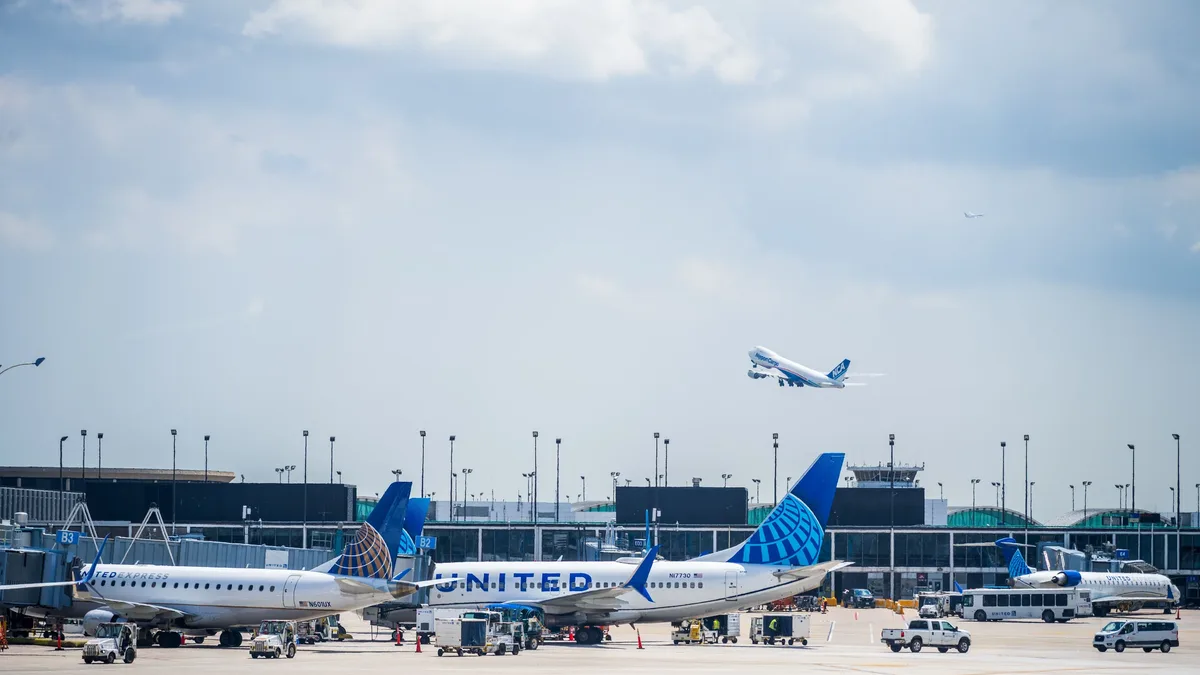
A320neo and 737 MAX jets to be dismantled
More than ten Airbus A320neo and Boeing 737 MAX aircraft will be torn down this year by Tarmac Aerosave for parts supplier AerFin, highlighting strong
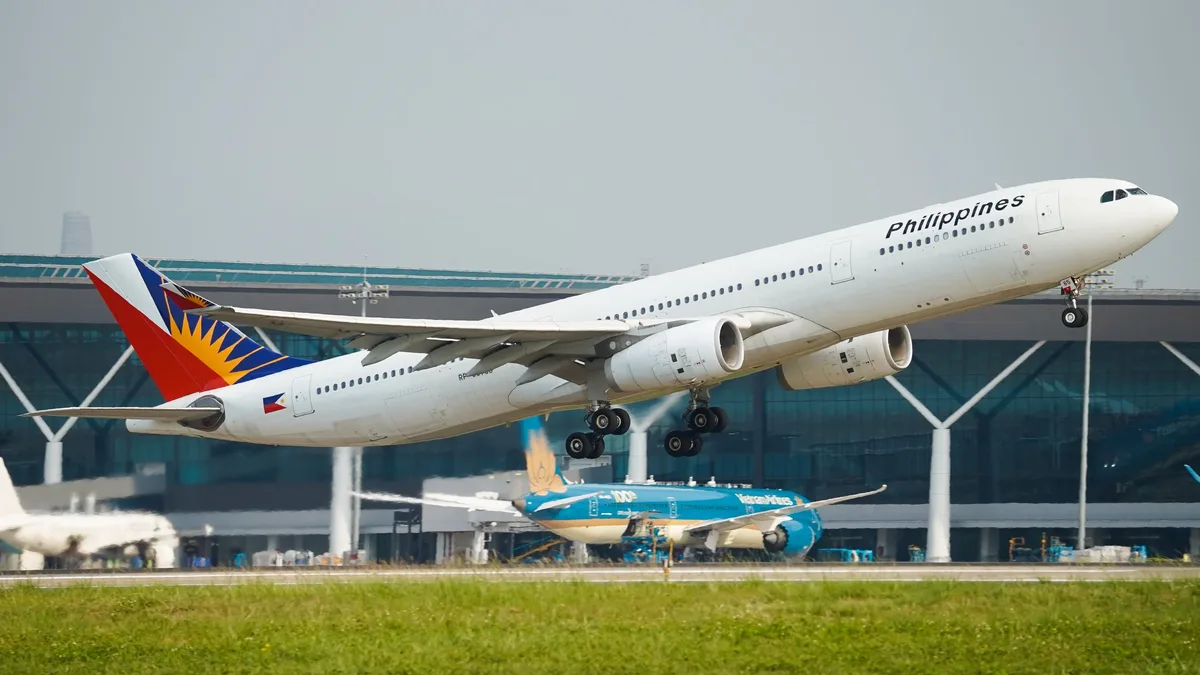
Philippine Airlines Deploys New Airbus A350-1000 on San
Philippine Airlines is using its newly delivered Airbus A350-1000 aircraft to replace Boeing 777-300ERs on its ultra-long-haul San Francisco service.
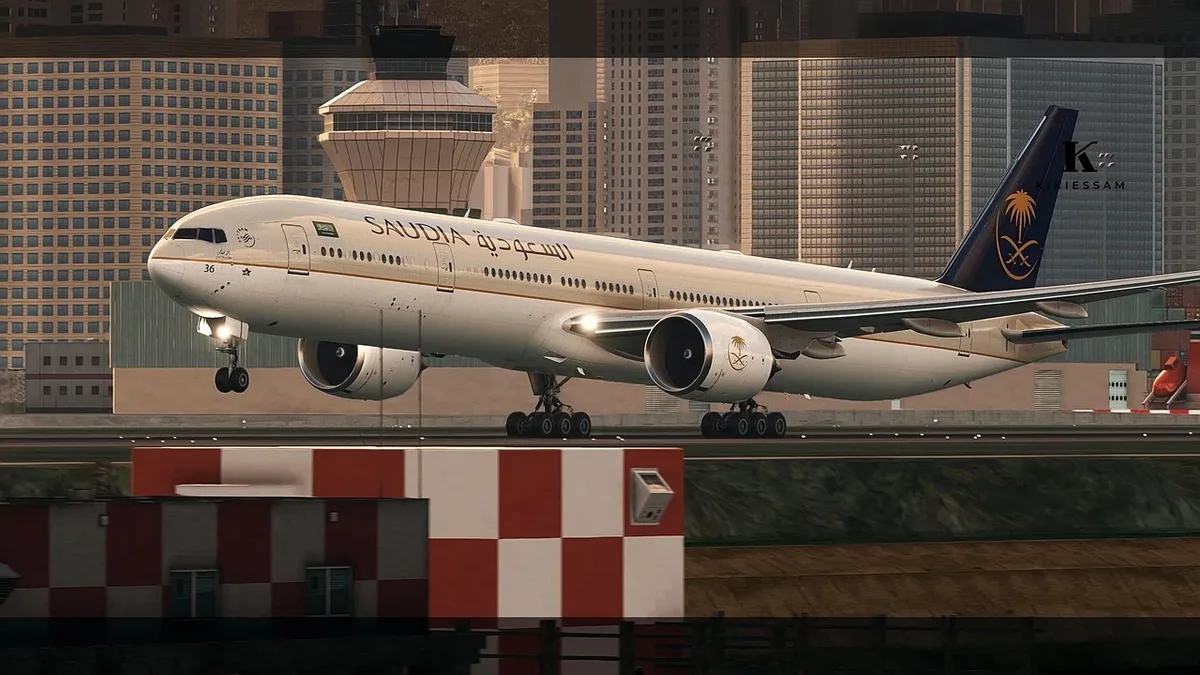
Saudia A330 Business Class
Saudia's Airbus A330-300 business class offers a great experience on short haul flights, with a full meal, friendly service, and a flat bed.