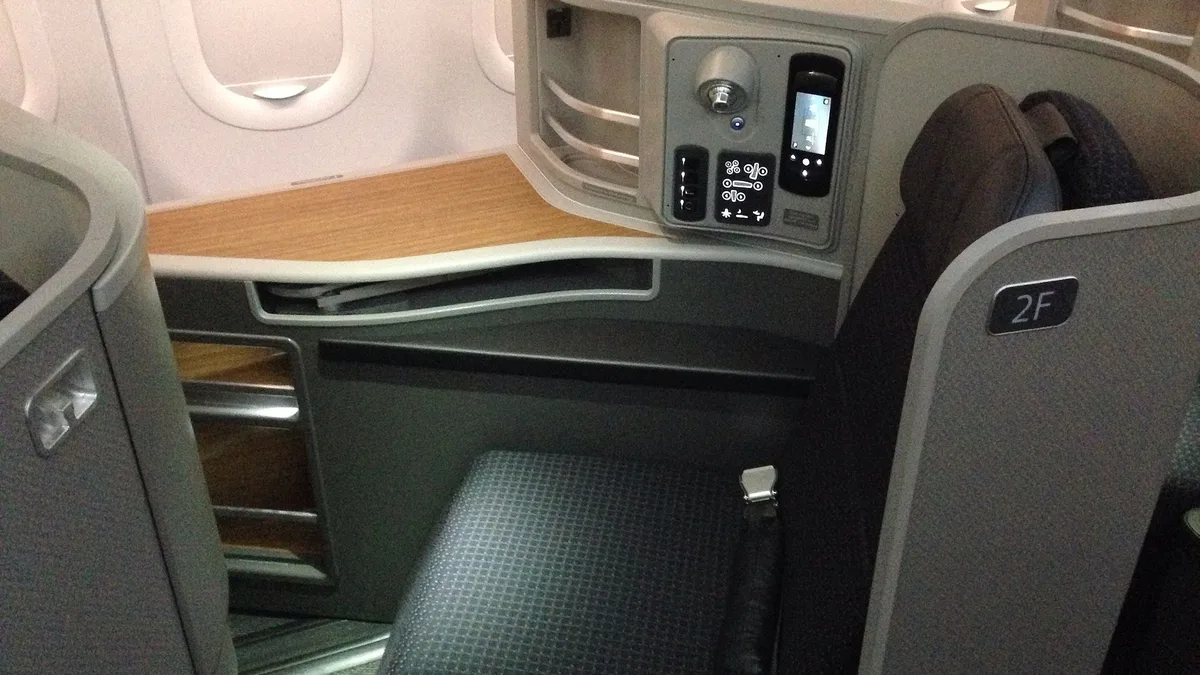
Airbus A321T
| Manufacturer | Airbus |
|---|---|
| Aircraft family | Airbus A320 |
| Original use | Commercial passenger airliner |
| Seating capacity (typical) | 102 passengers (in this specific T configuration) |
| Cabin layout | Three-class (First, Business, Economy) |
| Primary operator | American Airlines (as the A321T) |
| Route type | Transcontinental (e.g., U.S. East Coast to West Coast) |
Origin and history
The Airbus A321 is a European aircraft, originating from the multinational Airbus consortium headquartered in Toulouse, France. It was developed as a stretched-fuselage variant of the baseline A320 model. The A321 entered service in the mid-1990s, becoming the largest member of the A320 family at that time. The "A321T" designation is not an official Airbus model but a configuration-specific identifier used by certain airlines. This particular three-class layout was developed in the early 2010s specifically for transcontinental routes. Its history is therefore tied to airline requests for a single-aisle aircraft capable of premium service on dense, long-distance routes.
What it is designed for
The Airbus A321T configuration is designed for premium transcontinental travel, specifically on high-demand routes between major coastal cities. It is engineered to operate flights of up to approximately six hours in duration, such as between New York and Los Angeles. The design prioritizes a full three-class cabin layout within the physical constraints of a single-aisle airframe. This layout accommodates a smaller total number of passengers compared to standard A321s to allow for more spacious premium cabins. The aircraft's fuel efficiency and range make it economically viable for airlines to offer a dedicated business class product on these competitive routes. Its core design purpose is to match the cabin service and comfort expectations of wide-body aircraft on a narrow-body platform.
Development and versions
The A321T is based on the Airbus A321-200 airframe, specifically the long-range version with additional fuel tank capacity. The configuration was developed as a custom order for American Airlines, which was the launch and, for a long period, the sole operator. Key modifications for the transcontinental role include the removal of the forward galley to create space for a premium cabin and the installation of a reinforced landing gear for increased maximum takeoff weight. There is no distinct factory version; the "T" denotes a bespoke interior specification applied to select A321 airframes. Other airlines, such as JetBlue, have since adopted similar three-class layouts on their A321 Long Range (A321LR) aircraft for transatlantic routes, but the "A321T" moniker remains closely associated with the original American Airlines specification. The concept has effectively paved the way for the modern A321LR and A321XLR models used in long-haul, single-aisle operations.
Pros and cons
A primary advantage of the A321T is its operating economics, offering lower fuel and maintenance costs per seat compared to a wide-body aircraft on the same route, allowing for profitable premium service. The dedicated three-class cabin provides a genuine first-class product with lie-flat seats, which is rare on domestic routes. A significant con is the single-aisle layout, which can lead to congestion during boarding, deplaning, and when the lavatories are in use, affecting the premium experience. The limited overhead bin space in the premium cabins, due to the aircraft's geometry, can be a frequent passenger complaint. Airlines sometimes regret the configuration during periods of lower premium demand, as the reduced total seat count sacrifices revenue potential compared to a denser layout. The common mistake for travelers is assuming the "T" signifies a fundamentally different aircraft, when it is primarily an interior specification that may not offer the quietness or spacious feel of a true wide-body jet.
Who it suits
The Airbus A321T configuration suits business travelers and premium leisure passengers who prioritize a flat-bed seat and enhanced service on key transcontinental routes. It is ideal for those whose travel patterns are between specific hub pairs, such as New York JFK and Los Angeles or San Francisco, where this aircraft is commonly deployed. The product suits airlines seeking to defend or capture market share in high-yield corporate travel corridors without committing to larger, less efficient wide-body aircraft. It is less suitable for large families or groups seeking the lowest possible fare, as the economy section is typically small and competitively priced. The aircraft also suits passengers who value the convenience of boarding from a single jet bridge directly into their cabin class, as is standard with narrow-body operations. Ultimately, it suits a niche market where frequency, specific scheduling, and premium comfort outweigh the inherent limitations of a single-aisle cabin for a long flight.
Latest Airbus A321T news
Latest reporting
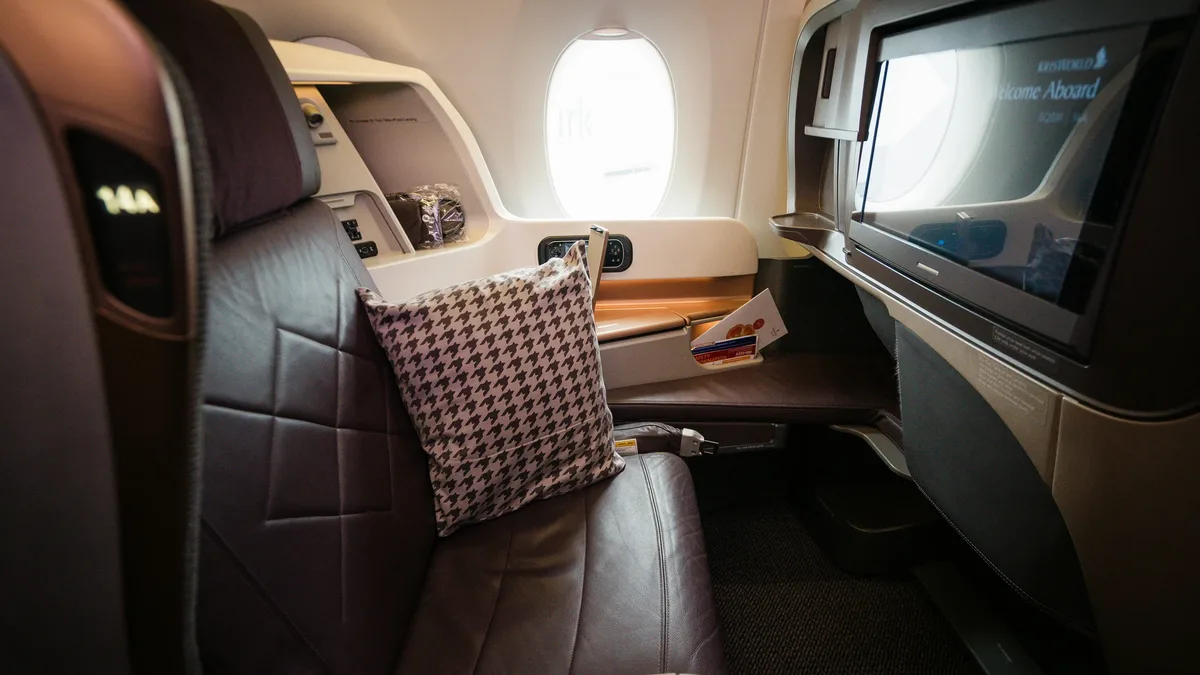
Philippine Airlines A350-1000 Business Class Review
A review of Philippine Airlines' new Airbus A350-1000 business class finds excellent Collins Aerospace lie-flat seats but criticizes failed Wi-Fi and...

Houthi missile destroys Saudia A320 at Riyadh airport
A Houthi ballistic missile destroyed an empty Saudia Airbus A320 at King Khalid International Airport on October 8, 2026, halting operations and...
Aeroflot A321 Abandoned at Geneva Airport Since 2022
An Aeroflot Airbus A321 has been stranded at Geneva Airport since February 2022 due to sanctions. The aircraft, reportedly rat-infested and...
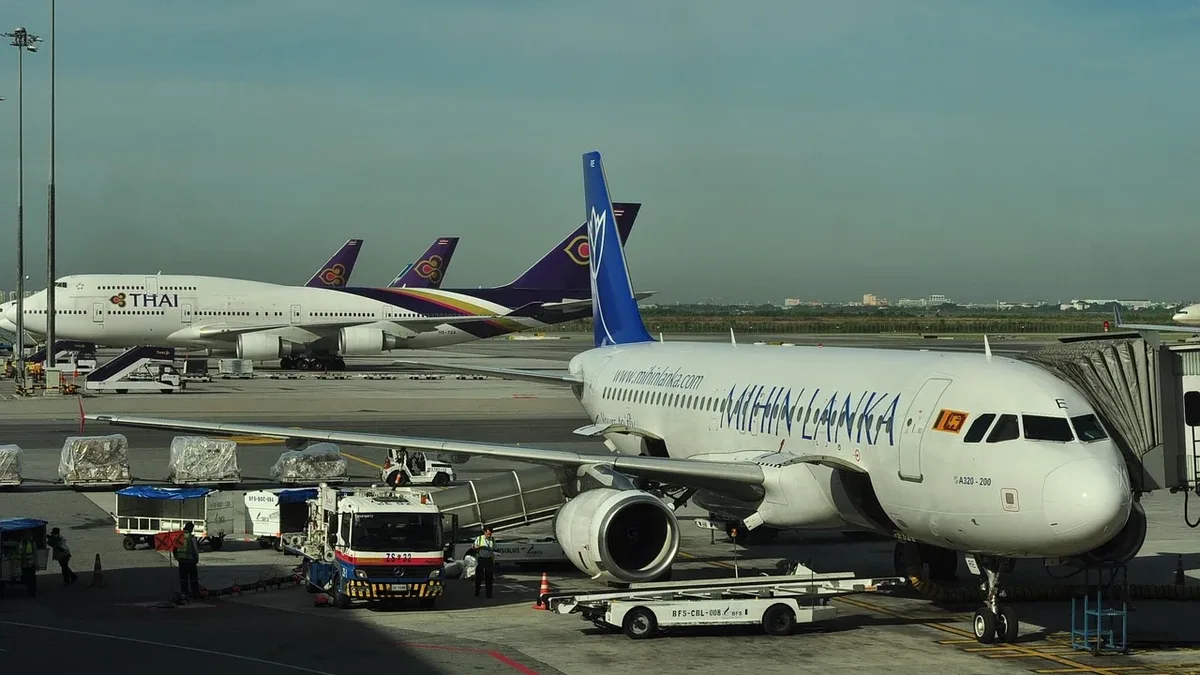
Aeroflot A321 Stranded In Geneva For Over Four Years
An Aeroflot Airbus A321 has been stuck at Geneva Airport since February 2022 due to sanctions from Russia's invasion of Ukraine.
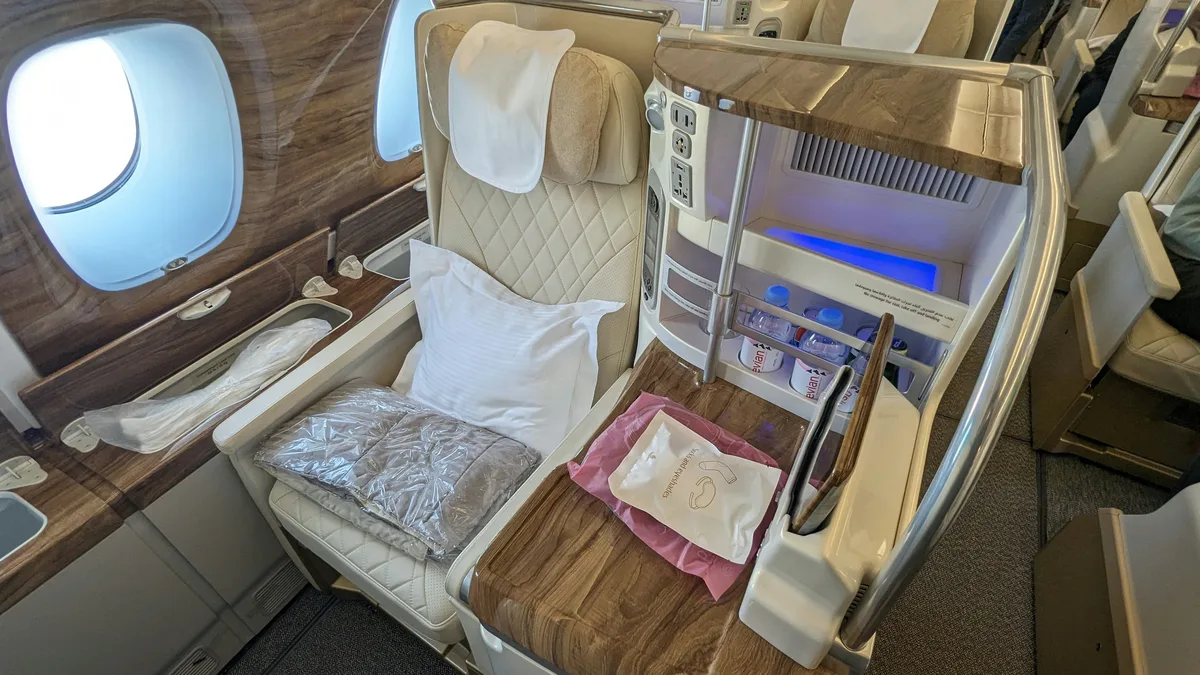
Air Greenland's A330-800neo Premium Class First Impressions
A first look at Air Greenland's premium cabin on its rare Airbus A330-800neo, detailing the seat configuration, meal service, and onboard amenities.
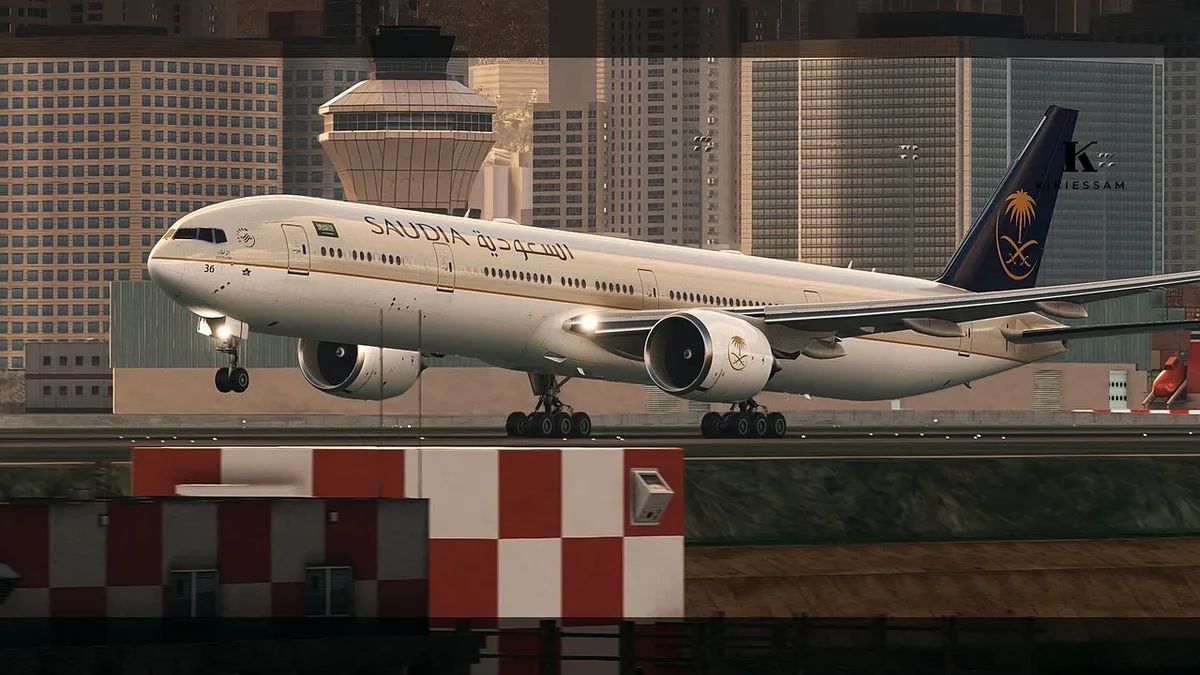
Saudia A330 Business Class Review: Full Meal and Flat Bed on Short Haul
Saudia's Airbus A330-300 business class offers a great experience on short haul flights, with a full meal, friendly service, and a flat bed.