
Alaska As
Origin and history
Alaska Airlines is a major airline headquartered in the United States, specifically in the Seattle metropolitan area of Washington state. Its origins trace back to the early 1930s, when it began as a small regional service connecting Alaska with the contiguous United States. The airline was initially formed through the merger of several smaller bush airlines that served remote communities within the state of Alaska. For decades, its primary focus was on operating routes within and to the vast state, often using rugged aircraft suited for challenging environments. Over the latter half of the 20th century, it gradually expanded its network southward along the West Coast of the United States. This strategic expansion transformed it from a regional carrier into a major national airline, though it retains its name and a significant operational focus on its original region.
What it is for
Alaska Airlines operates as a full-service network carrier, providing scheduled air transportation for passengers and cargo across a primarily domestic route system. Its core purpose is to connect the West Coast of the United States, and particularly the Pacific Northwest, to destinations across North America, including Alaska, Hawaii, Canada, Mexico, and Costa Rica. The airline serves a mix of major metropolitan hubs, secondary cities, and, through its regional partners, smaller communities. It functions as a key economic link for the state of Alaska, providing essential air service to many towns inaccessible by road. For travelers, it offers a viable alternative to the "Big Four" U.S. carriers, often competing on routes along the West Coast corridor. Its extensive network is designed to facilitate both business and leisure travel, with a product that includes multiple cabin classes and a frequent flyer program.
Overview
Alaska Airlines operates a mixed fleet of Boeing 737s and Airbus A320-family aircraft, following its acquisition of Virgin America, serving over 115 destinations. The onboard product is divided into several cabins: First Class, Premium Class, and Main Cabin, with the specific seat offerings varying by aircraft type and configuration. Its frequent flyer program, Mileage Plan, is often highlighted for its value, as it is a member of the oneworld alliance and maintains rewarding mileage earning and redemption rates. The airline places a strong emphasis on West Coast culture, with partnerships with local food providers and brands featured in its inflight service. A notable operational feature is its extensive use of satellite-based GPS approaches, allowing it to land in poor weather conditions at airports like Juneau, which is crucial for serving Alaska. The overall passenger experience is designed to be efficient and uncomplicated, with a focus on core services rather than extensive frills.
What to know
When flying with Alaska Airlines, it is important to know that its route network is strongest along the West Coast, with its primary hubs in Seattle, Portland, San Francisco, and Los Angeles. The inflight experience, including seat pitch and entertainment, can differ significantly between its newer Boeing 737-9 MAX aircraft and its older 737-700s or Airbus A320s, so checking the specific aircraft is advisable. The airline offers free inflight texting and messaging via its onboard Wi-Fi portal on all equipped aircraft, but full internet access requires a purchase. Alaska's Premium Class is not a separate cabin with dedicated lavatories on most aircraft but offers extra legroom, priority boarding, and complimentary drinks, positioned between First and Main. Travelers should be aware that basic economy fares, branded as "Saver" fares, come with significant restrictions, including last seat assignment and no changes whatsoever. The airline has a robust partnership network, including other oneworld members and several domestic carriers, which expands its global reach for mileage earning and redemption.
Common questions
A common question is whether Alaska Airlines flies internationally, and the answer is yes, but its international network is focused on destinations in Canada, Mexico, Costa Rica, and Belize, with limited seasonal service to a few other locations. Passengers often ask about the difference between Premium Class and First Class, with First Class offering a wider seat, a meal service on most flights, and a more exclusive experience compared to the enhanced economy of Premium Class. Many travelers inquire about the airline's policy on carry-on bags for Saver fare tickets, which are permitted one personal item but must pay a fee to bring a full-size carry-on bag if they wish to select a seat in advance. Questions frequently arise regarding the Mileage Plan program, particularly about earning miles on partner airlines and the value of its award chart for Alaska flights. Customers also commonly ask about the availability of power outlets, which are available at every seat on its newer 737-9 and -900ER fleets but may be limited on older aircraft. Another regular inquiry concerns traveling to Alaska itself, with the airline offering specialized knowledge and services for handling outdoor gear and traveling to remote communities within the state.
Pros and cons
Pros: Alaska Airlines excels in operational reliability, consistently achieving high rankings for on-time performance and low cancellation rates within the U.S. industry. Its Mileage Plan frequent flyer program is widely considered one of the most valuable domestically, offering reasonable redemption rates and valuable partners. The airline provides a generally consistent and friendly level of customer service, which stands out compared to many competitors. For West Coast travelers, its network is exceptionally convenient, with extensive frequencies between major cities and unique connections to smaller markets. The inclusion of free messaging on all Wi-Fi-equipped flights is a notable customer-friendly perk in an era where many carriers charge for all connectivity. Cons: The cabin product and seat comfort can be inconsistent due to the varied fleet, meaning a passenger might experience a brand-new cabin on one flight and an outdated, tight interior on another. The integration of Virgin America led to a complex mix of aircraft and onboard services that took years to fully harmonize, causing confusion. The airline's "Saver" fare restrictions are among the most punitive in the industry, locking passengers into a completely unchangeable and unupgradable ticket with poor seat assignment options. Travelers outside of the West Coast or Alaska's core network may find its route map limited, often requiring connections in Seattle or another West Coast hub. Common passenger regrets involve selecting a Saver fare without understanding the severe limitations or booking a flight on an older aircraft type expecting the amenities of the newer fleet.
Who it suits
Alaska Airlines suits frequent travelers based on the West Coast of the United States, especially those who value reliability and a straightforward travel experience over luxury amenities. It is an excellent choice for travelers loyal to the oneworld alliance or those who seek value from a frequent flyer program, as Mileage Plan offers strong benefits for its members. The airline is particularly well-suited for travelers to and within the state of Alaska, as it provides the most comprehensive network and specialized service for that region. It appeals to cost-conscious travelers who are willing to pay a little more than basic economy fares on other carriers to get a Main Cabin ticket with standard allowances and fewer fees. Business travelers on West Coast corridors often choose Alaska for its schedule frequency, on-time performance, and Premium Class offering for a productive flight. Conversely, it may suit leisure travelers less who are highly price-sensitive and book the cheapest Saver fare without needing flexibility, or those whose travel patterns are focused entirely on the central or eastern United States where Alaska's presence is minimal.
Latest Alaska As news
Latest reporting
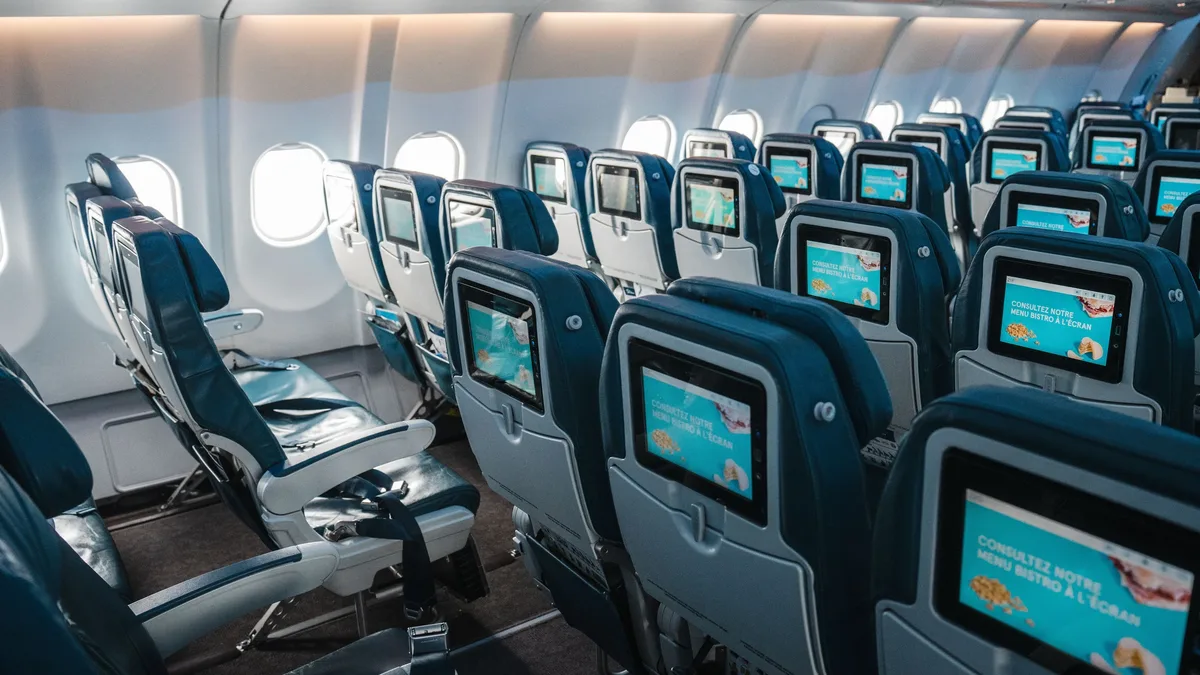
Alaska Airlines commits to lie-flat seats
Alaska Airlines will install 12 lie-flat Aurora Suites on at least 25 Boeing 737 MAX 10 jets starting in 2028.
Alaska Airlines Aurora Premium Reserve 2028
Alaska Airlines will introduce Aurora lie-flat suites and Premium Reserve premium economy across its Boeing 787, 737 MAX 10, and Hawaiian Airlines...
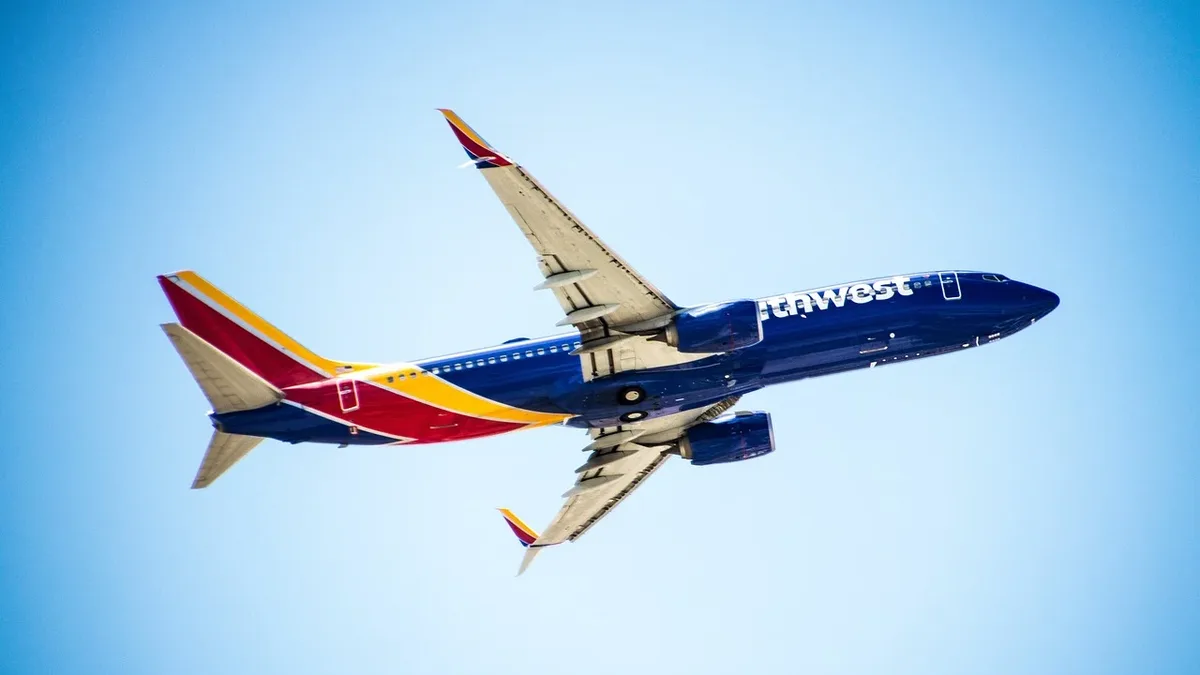
Southwest and Alaska Battle for Supremacy at San Diego
Southwest Airlines faces a tougher competitive fight in San Diego than elsewhere in Southern California, with Alaska Airlines rapidly expanding its
Atmos Rewards Ends Lap Infant Award Fees
Atmos Rewards, the joint loyalty program of Alaska and Hawaiian Airlines, has eliminated all charges except taxes for adding a lap infant to...
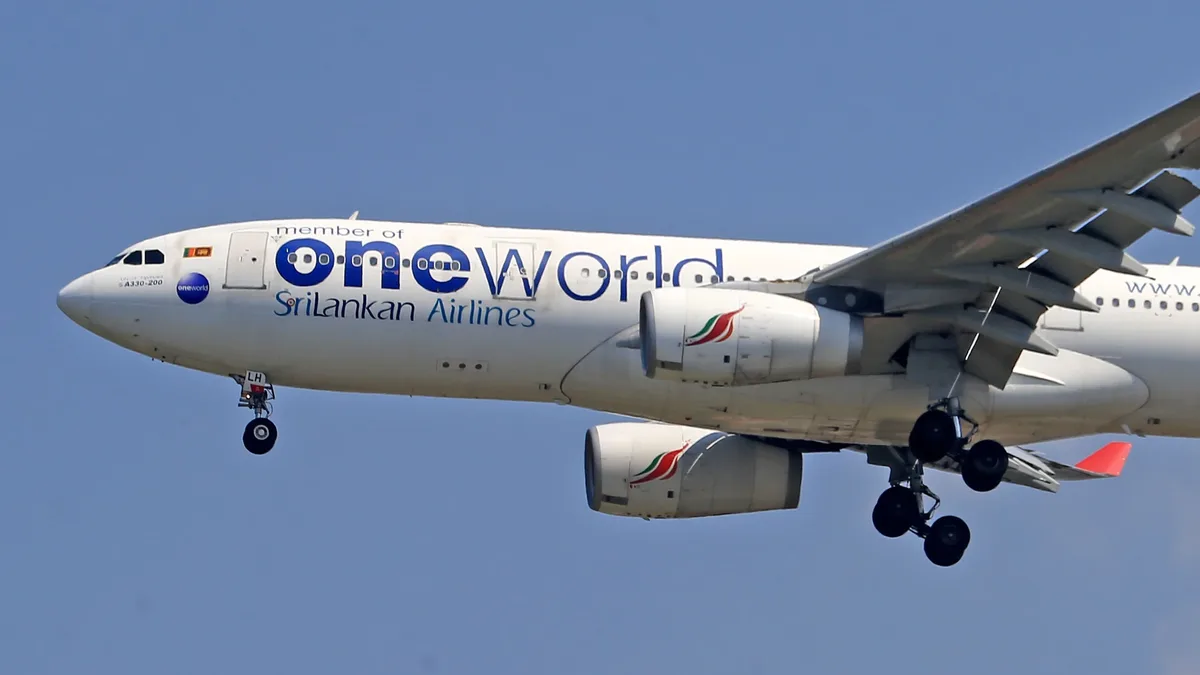
Flyer Shifts to Alaska Atmos Rewards for
A frequent flyer explains his shift from American AAdvantage to Alaska Atmos Rewards for 2026, driven by the comparative ease of earning oneworld...
Alaska Airlines Expands European Presence with New Routes
Alaska Airlines is adding two new European destinations to its route map, with nonstop flights from Seattle to Athens and Paris starting in May.