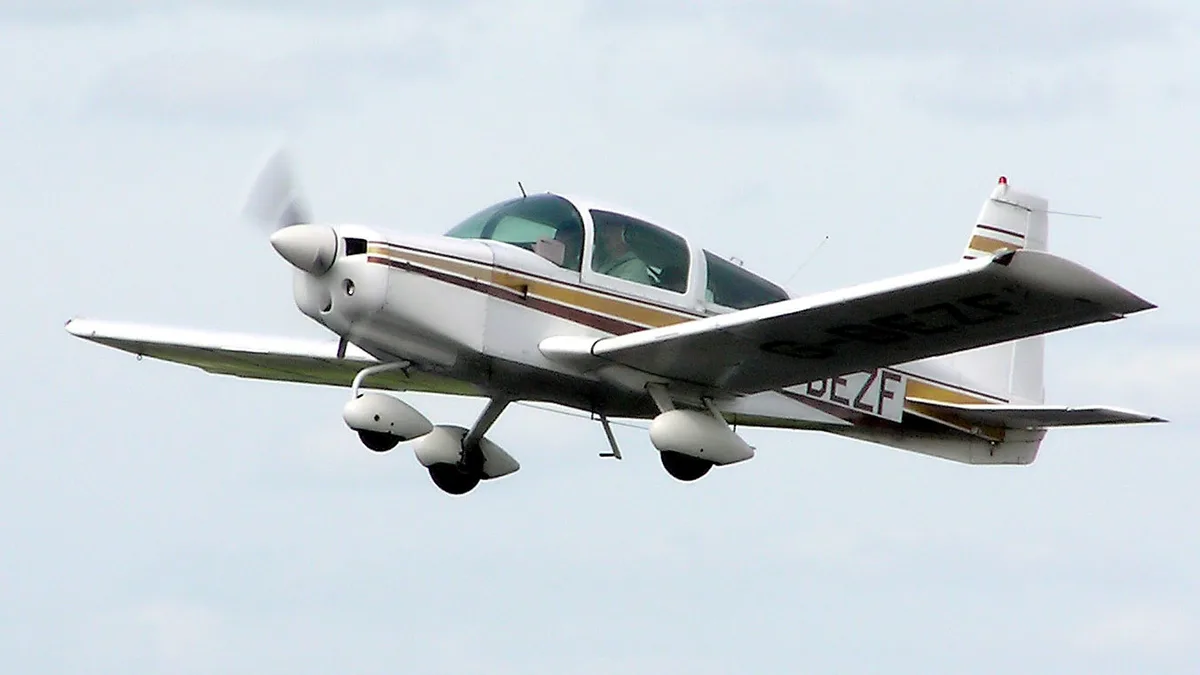
American Aa
| Airline | American Airlines |
|---|---|
| Country of origin | United States |
| First created | 1930s |
| Fleet size | 900+ aircraft |
| Primary hubs | Dallas/Fort Worth, Charlotte, Chicago–O'Hare, Miami, Philadelphia, Phoenix–Sky Harbor |
| Frequent-flyer program | AAdvantage |
| Alliance | Oneworld |
| Mainline cabin classes | First, Business, Premium Economy, Main Cabin Extra, Main Cabin |
Origin and history
American Airlines, often abbreviated as AA, is a major airline originating in the United States. Its foundational history traces back to the 1930s through the consolidation of numerous smaller airmail and passenger carriers. The entity known as American Airlines was formally created in the early 1930s, establishing a network focused on domestic routes within the U.S. Throughout the mid-20th century, it expanded significantly, becoming a dominant carrier with a large fleet of propeller and later jet aircraft. A pivotal moment in its history was the development of the Sabre computer reservation system in the 1960s, which revolutionized airline bookings. The airline continued to grow through the latter part of the century, navigating industry deregulation and acquiring other carriers. In the 2010s, American Airlines underwent a major restructuring and merged with US Airways, forming the world's largest airline by fleet size and passenger numbers.
What it is for
American Airlines operates as a full-service network carrier, providing scheduled air transportation for passengers and cargo. Its primary function is to connect cities across a vast domestic route network within the United States, which forms the core of its operations. Additionally, it flies to numerous international destinations across Europe, Asia, Latin America, and the Caribbean. The airline serves a broad market, from cost-conscious leisure travelers to full-fare business passengers, offering multiple cabin classes on most flights. It is a founding member of the Oneworld global airline alliance, allowing it to offer extended global reach through partnerships. Beyond basic transportation, its operations include significant hub operations at airports like Dallas/Fort Worth, Charlotte, Miami, Chicago-O'Hare, and Philadelphia, facilitating complex route connections.
Is American Aa a good airline
Whether American Airlines is considered a good airline depends heavily on traveler priorities, route, and cabin class. It provides reliable and extensive coverage across the U.S., which is a significant advantage for domestic travelers needing to reach smaller cities. The airline's frequent flyer program, AAdvantage, is widely regarded as robust and valuable, with a large network of earning and redemption partners. However, operational performance, such as on-time arrivals and baggage handling, often ranks in the middle among major U.S. carriers, according to published federal data. Passenger experience in its basic Economy cabin is typically comparable to other U.S. network carriers, with standard seat pitch and buy-on-board food options. Reviews from premium cabin travelers on long-haul flights note variability, with newer aircraft featuring improved business class seats while older jets offer an inferior product.
American Aa baggage allowance
American Airlines' baggage allowance is determined by fare class, destination, and elite status within its AAdvantage program. For most domestic and short-haul international flights, a standard Economy ticket includes a carry-on bag and a personal item, but checked bags incur a fee. On transatlantic and transpacific routes, a main cabin fare typically includes at least one free checked bag, though this varies by specific market and fare rules. Passengers holding premium cabin tickets, such as Business or First Class, and top-tier elite status members generally receive two or more free checked bags with higher weight allowances. Fees for overweight or oversized bags are strictly enforced and can be substantial, so checking current policies before travel is essential. The airline also has specific and often restrictive policies for sporting equipment, musical instruments, and other special items, which may require advance notification.
Overview
American Airlines operates a mixed fleet of several hundred aircraft, ranging from regional jets to wide-body planes like the Boeing 777 and 787. The onboard cabin product varies dramatically depending on the aircraft type and the route it is deployed on, leading to an inconsistent passenger experience. In domestic first class, seats are typically recliner-style with wider seating and complimentary food and drinks, though these are not lie-flat beds. On international long-haul routes, its flagship business class is often a lie-flat seat, with the quality ranging from modern direct-aisle-access pods on newer jets to outdated angled-flat seats on older aircraft. The main cabin, or Economy, offers a standard U.S. carrier experience with seat-back entertainment on most wide-body and newer narrow-body planes, but reliance on streaming entertainment on others. The airline has been engaged in a multi-year fleet renewal and cabin retrofit program, but many older interiors remain in service.
What to know
Travelers should know that American Airlines uses a "basic economy" fare category which restricts seat selection, overhead bin access, and ticket changes, making it unsuitable for those needing flexibility. Confirming the specific aircraft type and cabin layout for your flight is critical, as the same route can be operated by planes with vastly different seating configurations. The airline's hubs, particularly Dallas/Fort Worth and Charlotte, are among the busiest in the world, which can mean efficient connections but also crowded terminals and potential for congestion-related delays. American Airlines has a substantial presence at major airports, but its operational reliability can be affected by weather disruptions at its key hubs. Its partnership network through Oneworld is extensive, allowing for earning and redeeming miles on airlines like British Airways, Japan Airlines, and Qatar Airways. Check-in and boarding processes are strictly enforced by group numbers, and group boarding positions are tied to fare class and status.
Common questions
A common question is whether food is provided for free on American Airlines flights; in domestic main cabin, only snacks and non-alcoholic drinks are complimentary, with meals for purchase, while international routes include complimentary meals. Travelers frequently ask about the difference between Main Cabin and Basic Economy, with the latter being the most restrictive fare, not permitting full-sized carry-on bags on transatlantic or transpacific routes. Many passengers inquire about power outlets and Wi-Fi availability, which is now offered on most mainline aircraft, though the quality and cost of Wi-Fi can vary by aircraft and flight duration. Questions often arise regarding change and cancellation policies, which are complex and differ substantially between refundable and non-refundable tickets, with basic economy typically being non-changeable. Customers also ask about the airline's policy for flight delays and cancellations, where American Airlines will rebook on its own services but often provides minimal compensation for expenses unless required by specific regulations. Another frequent inquiry concerns the airline's pet policy, which allows small pets in the cabin for a fee on most flights, subject to space limitations and advance approval.
Pros and cons
A significant pro is the airline's vast domestic network, which provides unmatched connectivity to small and medium-sized cities across the United States. The AAdvantage frequent flyer program is a major strength, offering valuable redemption options and elite status benefits that are meaningful for regular travelers. A notable con is the inconsistency in the hard product, where a passenger might book a long-haul business class seat expecting a modern pod and instead receive an outdated angled-flat seat on an older aircraft. Operational performance can be a drawback, with the airline historically showing middling rankings in on-time performance and baggage handling among major U.S. competitors. The basic economy fares are a double-edged pro and con; they offer lower upfront costs but can lead to frustration and higher total costs for travelers who misunderstand the severe restrictions. Common mistakes include not verifying the aircraft type when booking a premium cabin or assuming a fare includes checked baggage, leading to disappointment and unexpected fees at the airport.
Who it suits
American Airlines best suits travelers whose primary need is convenient access to a wide range of U.S. destinations, particularly those living near or connecting through its major hub cities. It is a practical choice for budget-conscious leisure travelers who understand and accept the limitations of its basic economy fares and are flying simple point-to-point routes. The airline's structure suits frequent flyers who can achieve elite status, as the benefits like complimentary upgrades, priority services, and bonus miles significantly improve the experience. It is less suited for passengers seeking a consistently high-quality premium cabin experience on international flights unless they meticulously research and select routes with confirmed newer aircraft. Travelers who prioritize operational punctuality above all else may find better performance with other carriers, depending on the specific route and airport. It is also a strong option for those who value the Oneworld alliance for complex international itineraries and wish to earn and redeem miles across a broad partner network.
Latest American Aa news
Latest reporting

American Airlines Debit Cards Launch in UK for Miles Earning
American Airlines has launched its first AAdvantage-branded debit cards in the UK, allowing customers to earn miles on everyday spending without...
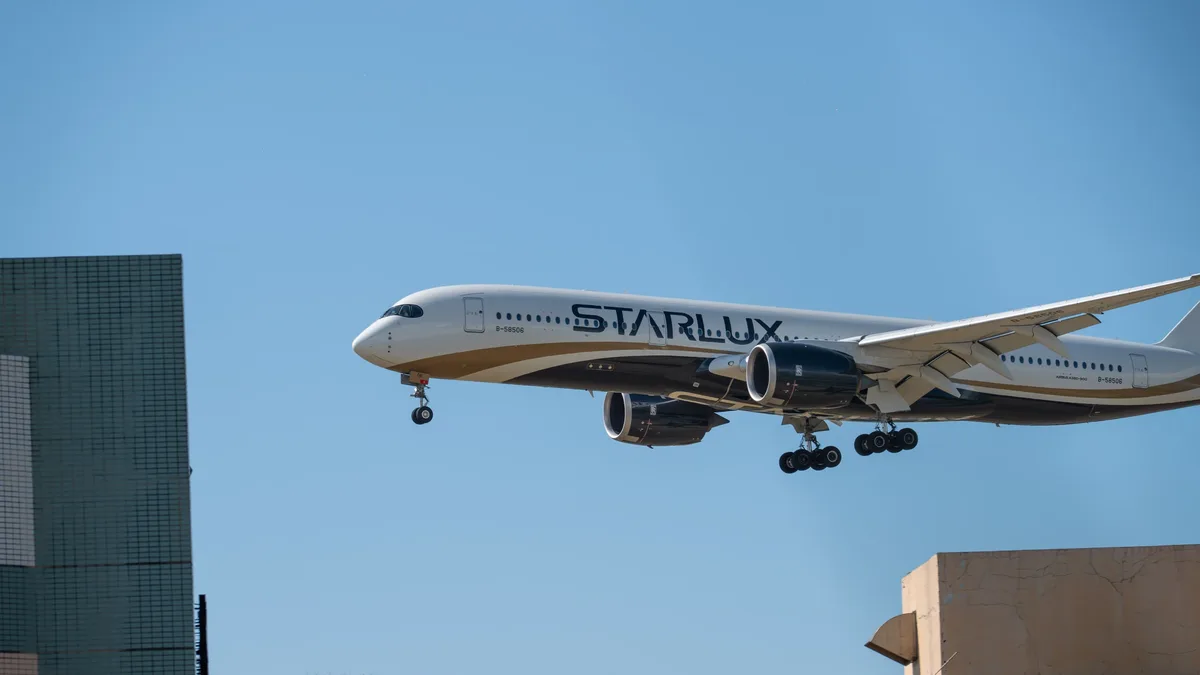
American Airlines Expands Codeshare With Starlux
American Airlines and Starlux Airlines have upgraded their partnership to a codeshare, but AAdvantage members cannot yet earn or redeem miles on...
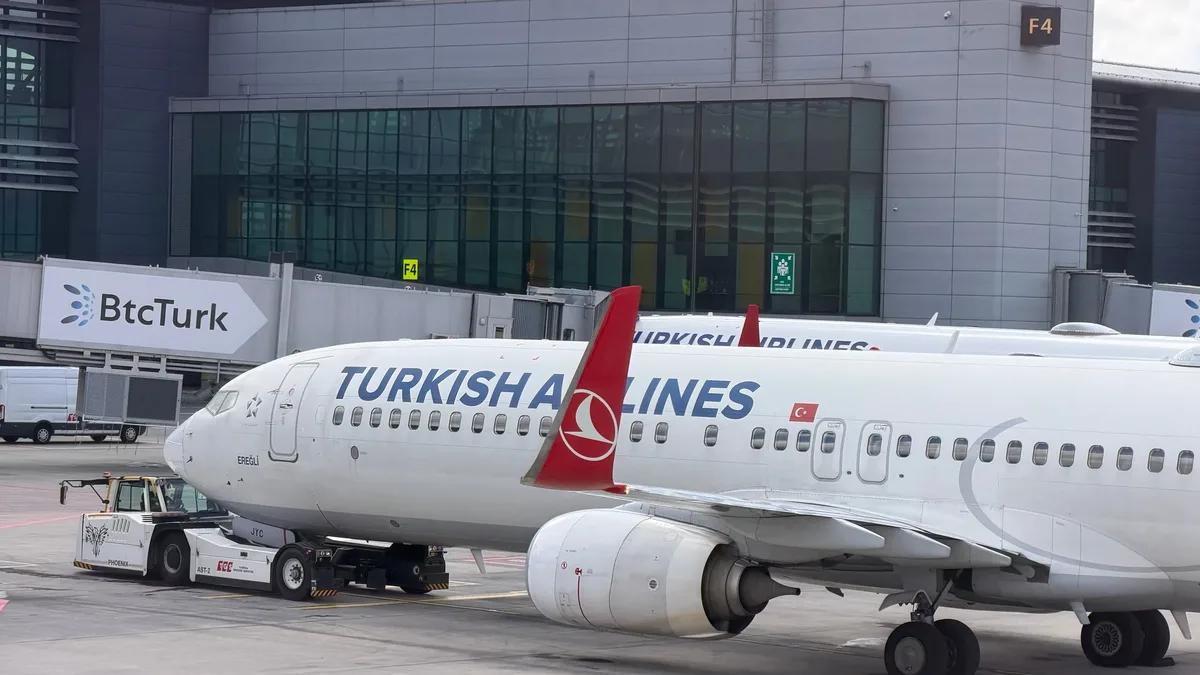
Cranky Dorkfest 2026 Draws Crowds to LAX for Airline
The Cranky Dorkfest 2026 aviation enthusiast event at Los Angeles International Airport featured static displays from five airlines, including...
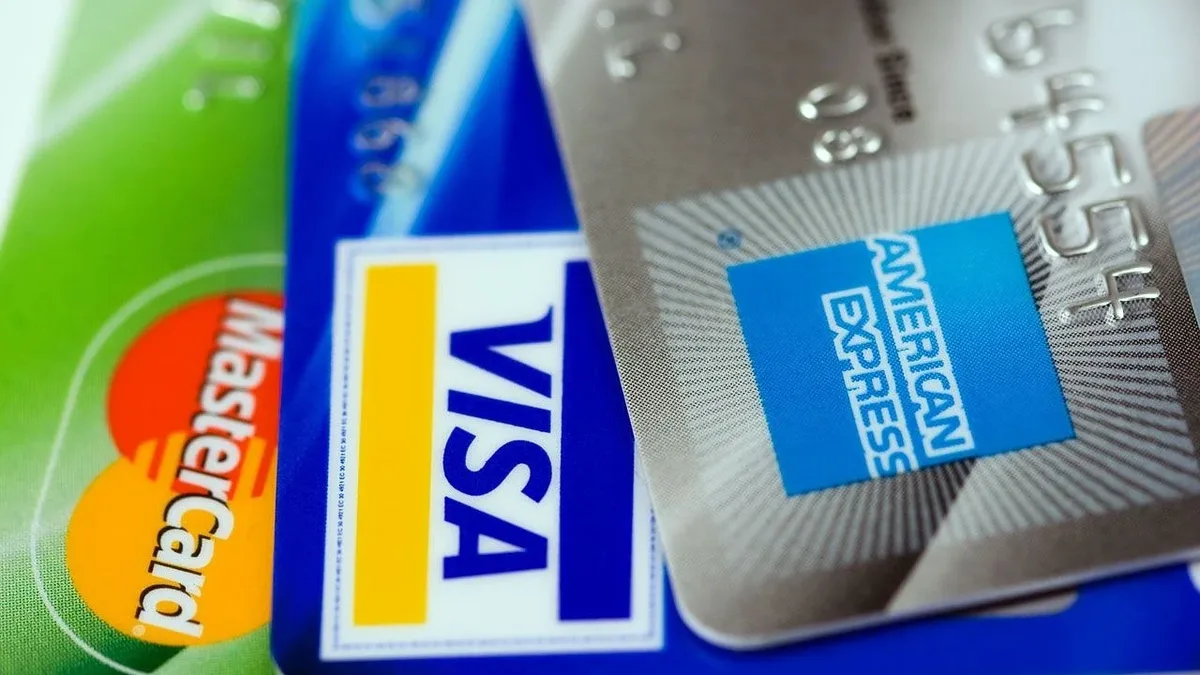
Citi's AAdvantage Executive and Globe cards
The Points Guy compares two American Airlines cobranded credit cards, the AAdvantage Executive and AAdvantage Globe, detailing their annual fees...
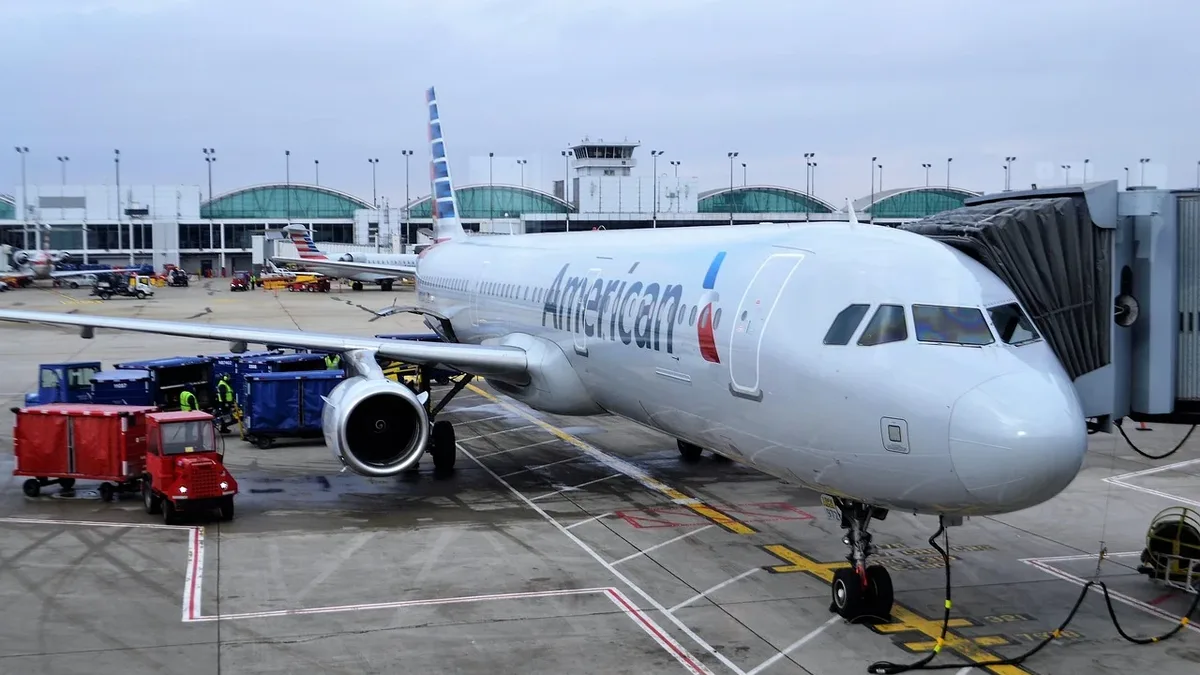
American Airlines to Trial Improved Rolling Delay Handling
American Airlines is reportedly developing a program to provide more realistic departure times during rolling delays, with a trial planned for its
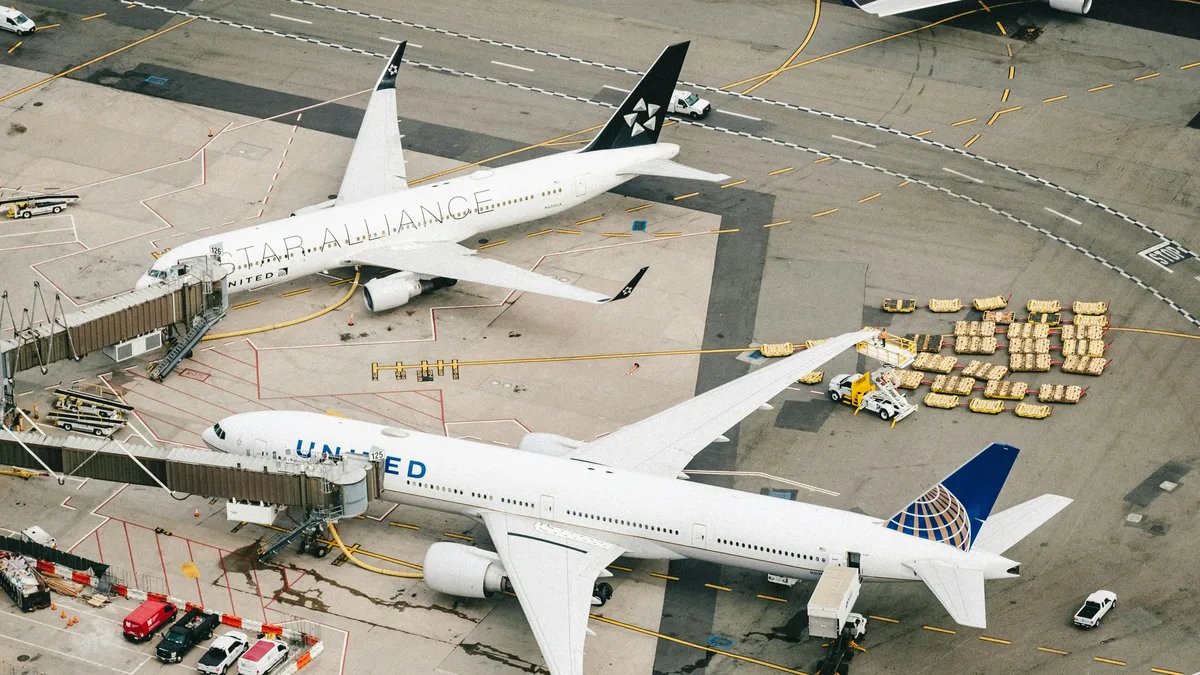
U.S. Airlines Oppose Two Extra China Flights Over Fare Fears
American, Delta, and United are opposing Air China's request for two additional flights, fearing it could lower fares and set a precedent for Chinese