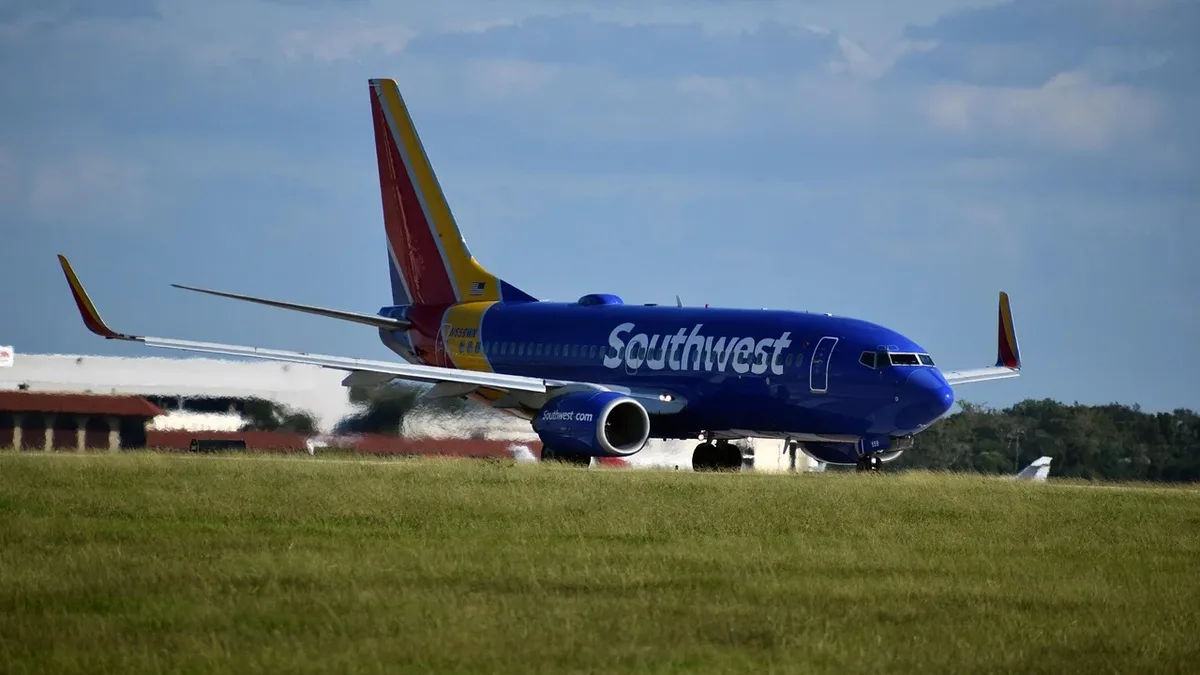
Chase explores second look for denied United
Chase is exploring partnerships with private credit firms to fund a 'second-look' program for United Airlines credit card applicants it initially rejects
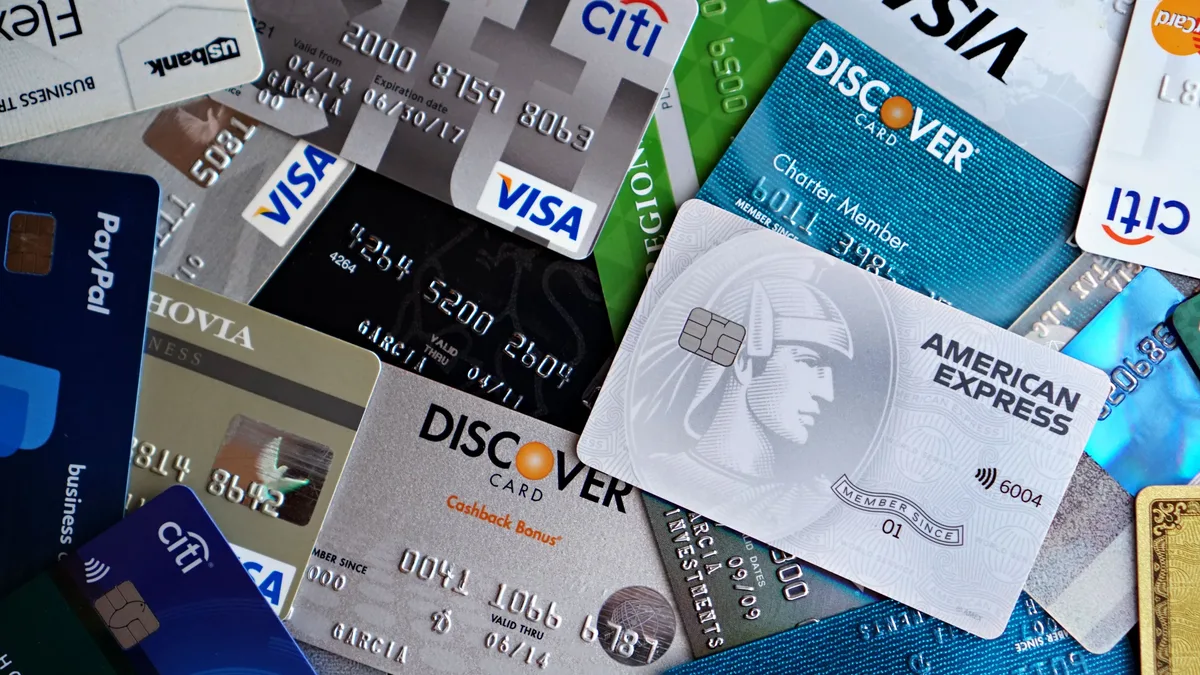
Chase has sent inquiries to more than a dozen private credit firms about funding a 'second-look' initiative for United Airlines credit card applicants it denies. The bank has reached out to firms including Blue Owl, Blackstone, KKR, and Sixth Street to explore having these alternative lenders take on the risk of approving customers Chase's own underwriting rejects. This exploratory effort seeks to give a second chance to people turned down for some of its co-branded cards. A Chase spokesman said, "the bank doesn’t (yet) have a plan to launch a second-look program."
This arrangement would let Chase retain first choice of applicants while outsourcing riskier profiles to an outside funding partner. It avoids ceding customer relationships to rival credit card issuers. For United, the Chase-United relationship is seen as positive because it expands the universe of cardmembers that could be driving airline revenue. The more United builds its MileagePlus loyalty program around having a card, the more Chase's approval decisions affect the value of being loyal to United.
United pushes for expanded cardholder access
United has publicly sought alternative lenders to approve customers Chase rejects. The airline's loyalty program now heavily favors cardholders, making broader customer access a strategic priority. Airlines lose revenue when loyal flyers are excluded from key benefits. Since April 2, the earning structure for United flights has created a significant gap between cardholders and general members.
| Member Type | Miles Earned per Dollar on Standard Tickets | Flight Award Discount |
|---|---|---|
| General United Members | 3 miles | Not specified |
| Qualifying United Cardholders | 6 miles | At least 10% off |
| Premier Members (Cardholders) | 6 miles | At least 15% off |
Cardholders also get access to additional saver award inventory. United's debit card provides another route to some benefits, though debit and no-annual-fee Gateway customers need $10,000 in annual card spending to qualify for these enhanced flight-earning rates. Debit cards let customers participate without qualifying for a credit line, an option Chase is more comfortable with than an airline establishing a rival credit card relationship.
Industry precedent shows flexibility
Other airlines have successfully used separate lenders for different customer segments. Spirit Airlines added a Mercury Financial card issued by First Bank & Trust in 2021, targeting near-prime customers alongside its primary Bank of America cards. That partnership demonstrated an airline could serve more than one credit audience with separate products and relationships, though the Mercury partnership ended earlier this year.
Retailers have pursued second-look arrangements much more than travel companies. In such deals, the primary bank doesn't necessarily love the exception, but another issuer gets access to the brand's customers. The Consumer Financial Protection Bureau has documented retail card agreements requiring second-look products to have meaningfully different designs or marketing from the primary card. Brands wind up explaining multiple products from multiple banks with different rules.
A strategic balance for Chase
If Chase arranges the second look itself, it could satisfy some of United's demand for more approvals while reducing the reason to bring in another consumer-facing credit card competitor. Some younger customers or customers rebuilding credit who gain approval through a second-look program may eventually become Chase credit card prospects. Future upgrades from second-look cards to Chase products may involve negotiated transfer terms.
However, a second look may not add a huge percentage to these businesses or mean a lot of incremental approvals. Travelers denied by Chase may gain access to United’s best rewards through alternate lenders, but likely at higher interest rates or with reduced perks compared to the primary Chase-issued cards. Chase's continued exploration of funding partnerships aims to enable these second-look approvals for United card applicants.