Southwest shareholders appeal fraud suit over 2022 meltdown
Shareholders are asking an appeals court to revive a securities fraud lawsuit against Southwest Airlines, dismissed despite the carrier's 2022 holiday
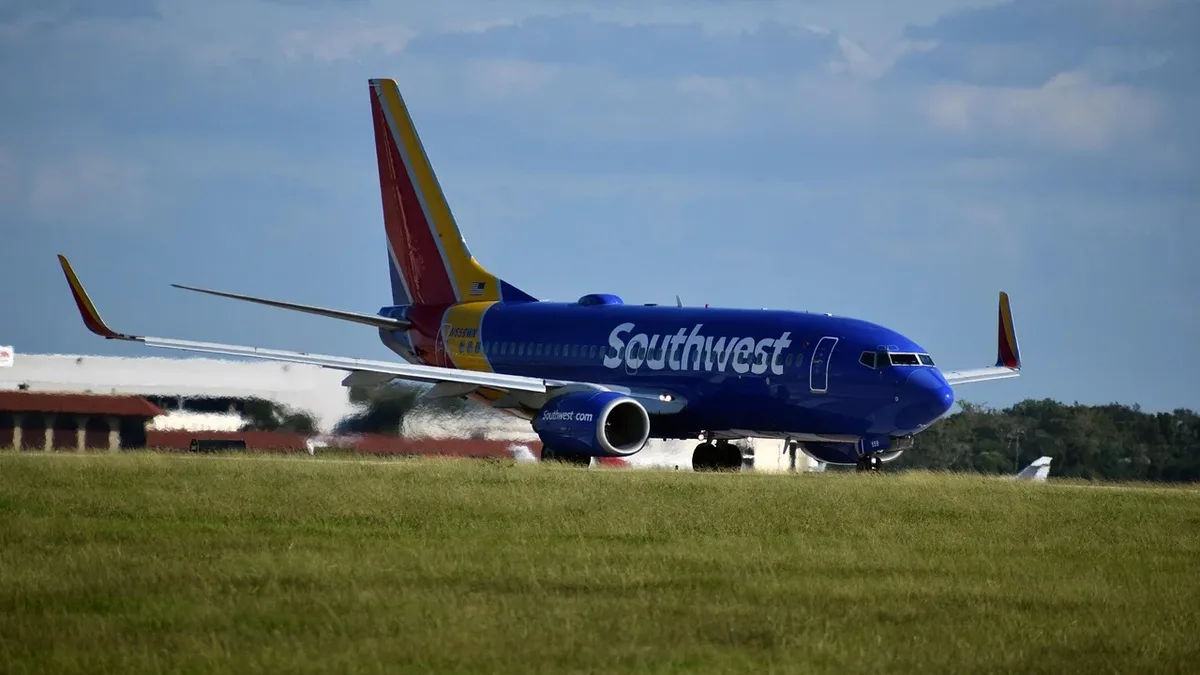
Southwest Airlines shareholders are asking the Fifth Circuit Court of Appeals to reinstate a securities fraud lawsuit dismissed by a federal judge over the airline's 2022 holiday operational meltdown. The appeal seeks to recover investor losses after Southwest canceled more than 16,700 flights during the Christmas 2022 disruption, stranding roughly two million passengers. A federal judge dismissed the case, ruling no proof of intentional fraud, and the appeal is now pending at the Fifth Circuit.
Background on the meltdown
The December 2022 disruption stranded roughly two million passengers after severe weather overwhelmed Southwest’s manual recovery systems. The crisis was exacerbated by staffing shortages, new hires, and outdated technology. Denver didn’t have enough ramp workers, and extreme cold limited how long employees could work outside. People were calling out sick.
Planes and crews wound up in the wrong places. Southwest couldn’t keep track of everyone, rebuild assignments, and communicate the changes. Employees had to call in, individually, to a phone system they couldn’t get through to. The airline was rebuilding schedules and crew pairings by hand. Around 18% of the airline’s workforce was new, and their systems couldn’t keep up with the need to manage recovery of the operation. They’d lost institutional knowledge during the pandemic.
They were only able to reconstruct about 40% to 50% of their flying each day. The disruption cost the airline around a billion dollars in recovery and customer compensation.
The shareholders' allegations
Plaintiffs claim Southwest executives downplayed known technology and scheduling risks while falsely reassuring investors about operational preparedness. The original complaint was filed January 12, 2023 against Southwest, Gary Kelly, Tammy Romo, and Bob Jordan. It argued that the airline downplayed the risks of its outdated technology and touted its route structure without explaining how vulnerable the operation was to disruption.
The amended complaint covered investors who bought Southwest securities from February 4, 2020 through March 14, 2023 and added executives. It focused on disruptions in June and October 2021 as well as Christmas 2022. The theory was that Southwest presented existing, serious weaknesses in its systems as merely hypothetical risks. The airline told investors it was investing in technology while leaving critical scheduling problems unresolved. It reassured the market about operational improvements and preparedness that weren’t real.
Southwest blamed disruptions on weather, air traffic control, and human error while downplaying the recurring technology problems that made recovery so difficult. The pilot union had repeatedly warned management about these operational weaknesses. Shareholders argue those statements inflated the stock price, and that investors lost money when the truth came out. Plaintiffs now seek reversal under the Tellabs standard, arguing cumulative evidence supports a fraud inference.
The legal proceedings
Although the judge acknowledged some statements were misleading, he ruled there was no proof of intentional fraud. U.S. District Judge Drew Tipton initially allowed the case to proceed. After Southwest asked him to reconsider, he issued a 62-page opinion on March 31, 2026 dismissing it. Much of the reasoning was that Southwest had disclosed technology risks. Their filings specifically discussed crew scheduling systems, past interruptions, and the potential for service failures, financial losses, and reputational damage.
U.S. District Judge Drew Tipton said: "The judge found some Southwest statements misleading, but that they weren’t knowingly misleading." It’s possible to run an airline badly, fail customers, and destroy shareholder value without committing securities fraud. The judge found disclosures adequate and intent unproven.
The Fifth Circuit will assess whether repeated warnings from the pilot union and denials by executives meet the legal bar for deliberate deception.