United CEO Aims To Build Airline That Needs No Apologies
United Airlines CEO Scott Kirby says his goal is to create a reliable airline where flight attendants rarely need to apologize to passengers for
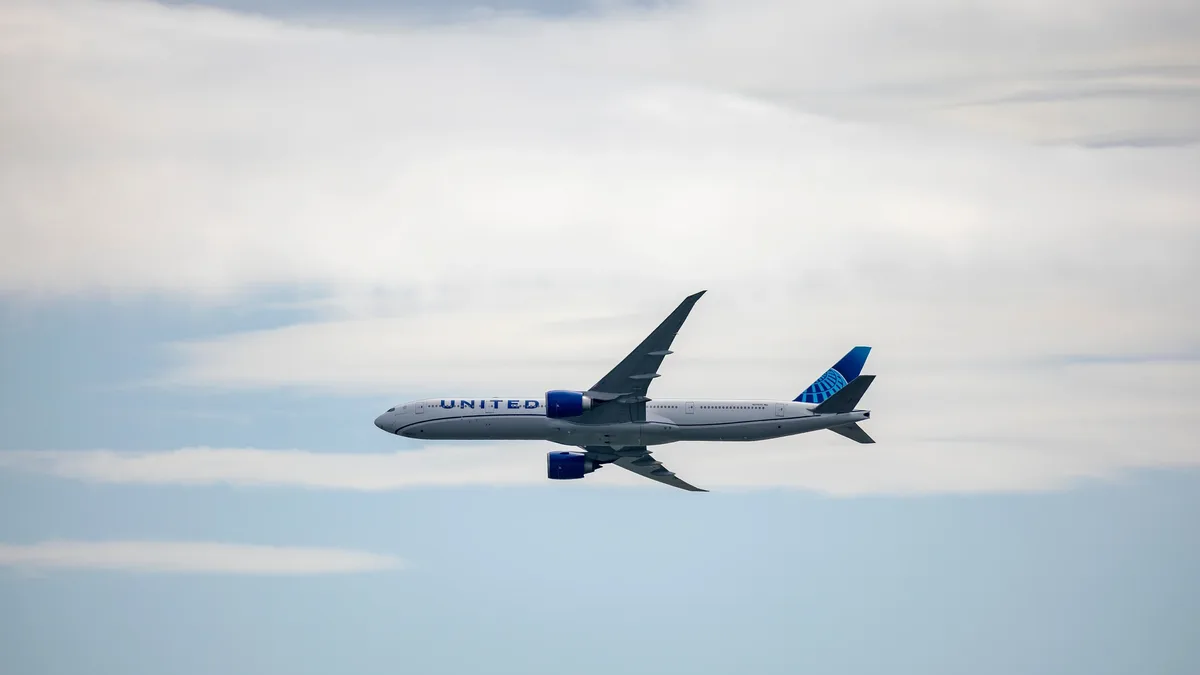
United Airlines CEO Scott Kirby has clarified his stance on flight attendant apologies. His goal is not to ban apologies but to build an airline so reliable that they become unnecessary. Kirby made the comments during a recent appearance on Semafor's The CEO Signal podcast.
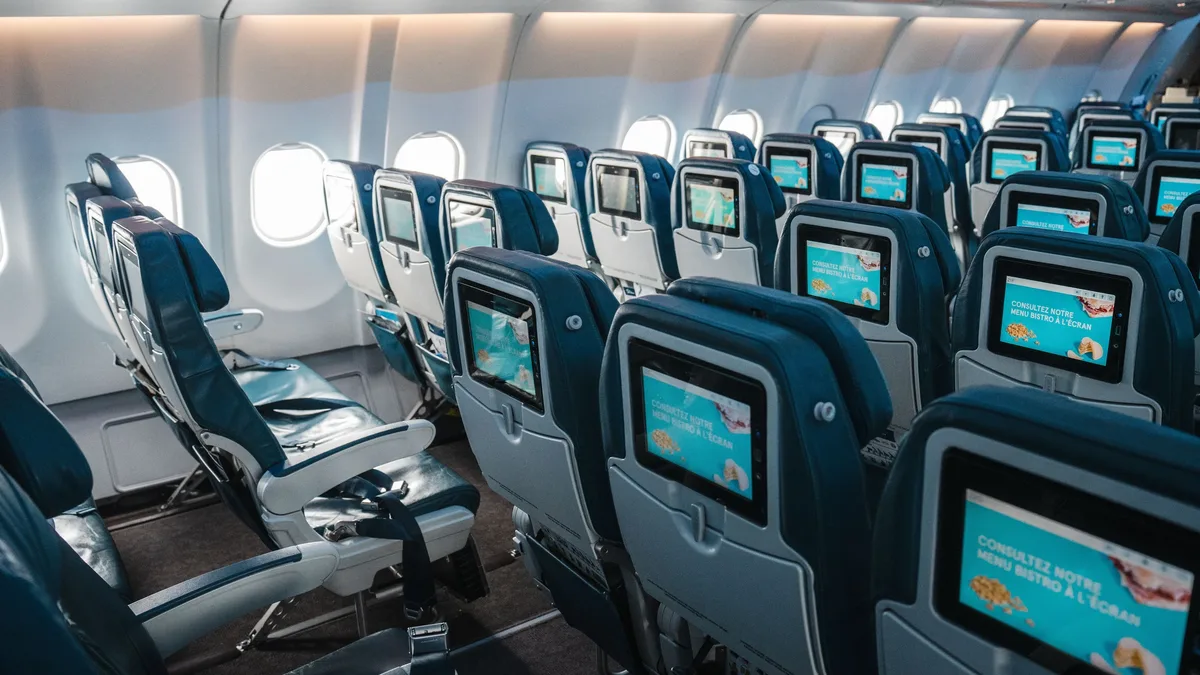
He outlined four pillars for creating a premium airline: product, reliability, technology, and service. While service is critical, Kirby argued that employees cannot deliver it consistently when the other three components fail. His aim is to eliminate the broken seats, malfunctioning power outlets, unreliable Wi-Fi, and catering shortages that force frontline staff to start interactions with an apology.
The Burden on Frontline Staff
Kirby's broader point is that flight attendants often bear the brunt of failures they did not create. A crew member may be warm and professional, but that counts for little when a Polaris business class seat won't recline or the power outlets are dead. In these situations, the employee becomes the face of an organizational failure, forced to absorb passenger frustration and apologize for issues outside their control. This is demoralizing for staff and aggravating for customers.
Kirby contends that investing in the hard product boosts employee morale. He cited United's investments in seatback entertainment and Starlink internet as examples. When passengers are happy with the aircraft and its amenities, flight attendants can focus on hospitality instead of damage control. United's aircraft, like the Polaris cabin, are part of a cabin product lineage that originated in the United States in the 1960s.
The Gap Between Goal and Reality
United has made notable investments. The carrier resisted removing seatback screens, developed a highly-rated mobile app, and is rolling out fast Starlink internet. However, a gap remains between Kirby's aspiration and the daily passenger experience. The airline still operates planes with broken seats, inoperative outlets, inconsistent catering, and tired interiors. Starlink is expanding, but many aircraft still have slow Wi-Fi. Delays and cancellations are an industry reality.
Flight attendants will continue to have reasons to apologize. Kirby's goal is ambitious and perhaps impossible in a literal sense, given the complexity of airline operations. The core idea, however, is that management should fix underlying failures rather than just training staff to deliver polished apologies. A sincere apology matters when a customer is inconvenienced, but it is no substitute for a reliable operation. Management's work is to create an airline where apologies are rarely needed, starting with keeping aircraft clean.