American Airlines Pilot Contract Hinders Austin Growth
American Airlines' pilot contract restricts its use of regional jets in Austin, making it harder to compete with Delta for passengers and lucrative credit
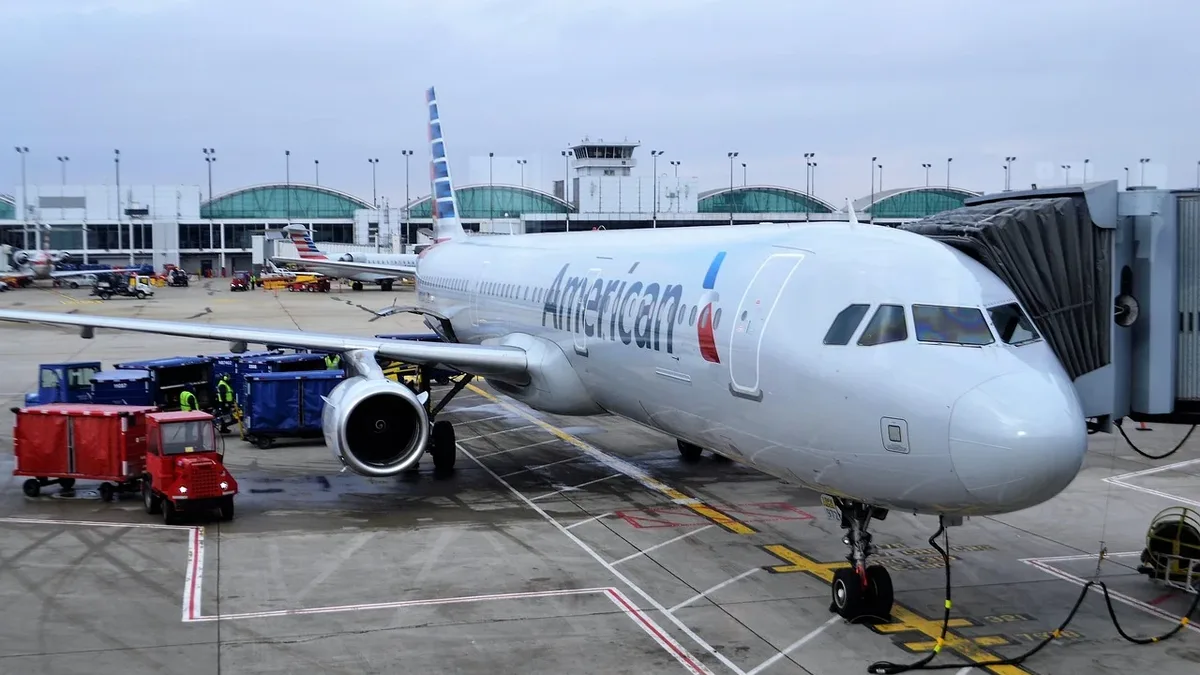
American Airlines is struggling to compete with Delta Air Lines in Austin due to restrictions in its pilot union contract, according to analysis from the Airlines Confidential podcast featuring former Wall Street Journal airline writer Scott McCartney. The contract limits where American can deploy small regional jets, hampering its ability to develop new routes in the fast-growing Texas market while Delta expands.
This strategy relied on small jets to test routes that could not yet support larger mainline aircraft. Partnerships with Alaska Airlines and JetBlue were also designed to bolster the AAdvantage loyalty program and credit card customer acquisition in the city.
Contract Limits Regional Jet Deployment
Scott McCartney outlined the core problem on the podcast. He stated, "One of the reasons is that American's handcuffed in the use of small regional jets by its pilot union contract." The contract mandates that at least 85% of American's regional flying must operate to or from qualifying hubs, which are defined as legacy American hubs or airports with at least 100 daily flights. Austin does not meet that threshold.
Consequently, any regional flights operating between Austin and other non-hub cities consume a portion of the network's limited 15% allowance for such flying. This has led to pilot grievances over the Austin operations. While American can fly mainline aircraft from Austin, doing so is more expensive and risky for developing new routes that do not connect to a hub. The contract is designed to protect mainline pilot jobs by ensuring regional airlines feed flights operated by American's own pilots, but it also stifles market development that could eventually create more of those jobs.
The Battle for Credit Card Customers
Delta Air Lines has explicitly targeted Austin for credit card growth. CEO Ed Bastian told investors last October that Austin and Raleigh were key places for acquiring credit cards. American's retreat from aggressive Austin expansion has given Delta more room to compete for that valuable spending. During its own expansion, American's then-commercial chief Vasu Raja told investors that its fastest-growing markets for AAdvantage enrollment were its Alaska and JetBlue partnership cities, a strategy now curtailed.
Delta had internally planned for Austin to become a focus city a decade ago and began securing gates proactively. As American pulled back, Delta used regional jets to operate short hops, including flights from Mexican border cities, to establish a presence.
Future Gate Allocation and Growth Timeline
American's growth in Austin is constrained by gate availability for years to come. Under a new airport use and lease agreement, the future gate allocation at Austin-Bergstrom International Airport is set.
| Airline | Number of Gates |
|---|---|
| Delta Air Lines | 15 |
| Southwest Airlines | 18 |
| American Airlines | 9 |
American is committed to nine gates, but these are on the existing concourse. Significant growth is not expected until a new midfield concourse opens in the 2030s, at which point minimum usage requirements will likely force the airline to expand. In the meantime, gate availability limits any near-term rebuilding. Former American executive Maya Leibman pointed to the airline's remaining flights and a planned new lounge as signs it is not retreating, though the lounge was first announced in November 2021 during its initial expansion push.
Early Contract Negotiations Offer a Path
There may be a path to address the restrictions sooner than expected. American's pilots union has opened contract negotiations early; the current agreement becomes amendable on August 1, 2027. Union president Nick Silva has criticized management's financial performance while acknowledging recent customer investments. McCartney suggested pilots recognize the problem, noting, "It's to the pilots' benefit to build new markets and ultimately have those become mainline pilot jobs."
He warned that waiting for a new contract could mean the battle for Austin is already decided. The union and management could negotiate Austin-specific flexibility with commitments to grow mainline flying as the market develops. For now, the contract designed to protect jobs is making it harder for American to compete in a key city, potentially ceding future profits and pilot opportunities to Delta.