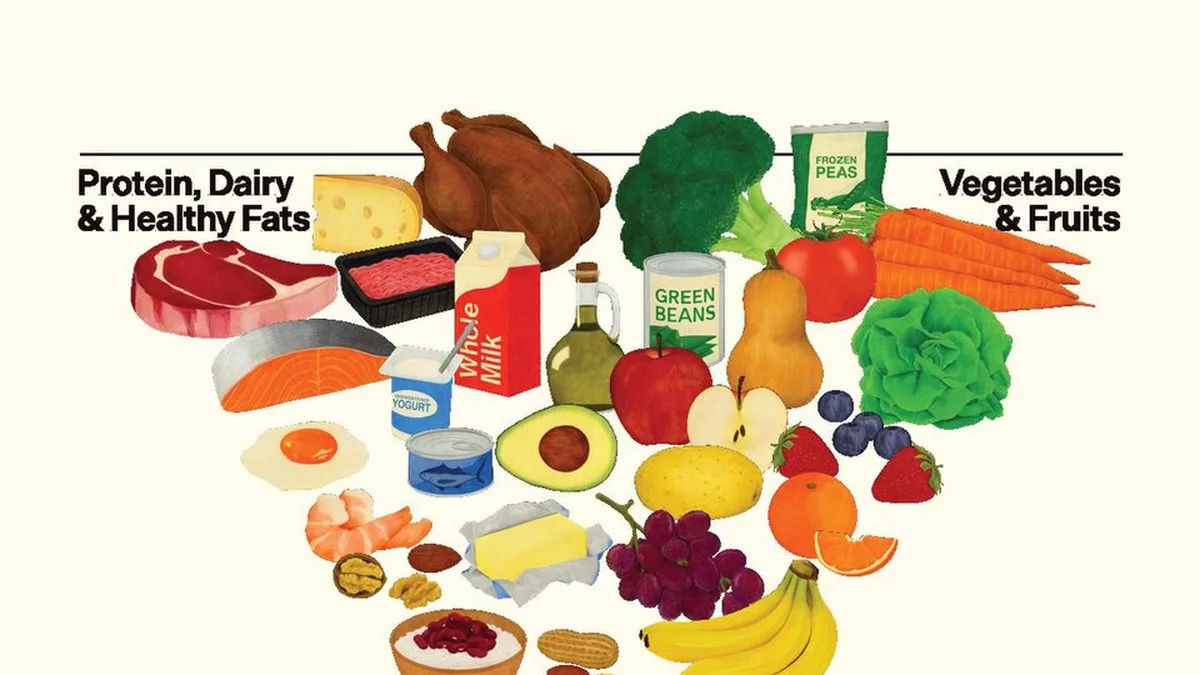
Special Meals And Dietary Requests
| Service type | Onboard catering |
|---|---|
| Availability | By advance request |
| Common categories | Vegetarian, vegan, gluten-free, religious, medical |
| Request deadline | Typically 24 to 48 hours before departure |
| Confirmation method | On boarding pass or at gate |
| Provision guarantee | Subject to availability and correct request |
| Special note | Cannot be requested at the last minute onboard |
Origin and history
The provision of special meals on commercial flights originated in the mid-20th century alongside the expansion of international jet travel. The practice became systematically organized by airlines in the 1960s and 1970s as carriers began serving more diverse passenger populations on longer routes. Initial offerings were often limited to basic religious dietary accommodations, such as Hindu vegetarian or Muslim halal meals, responding to the cultural and legal requirements of passengers. The development of in-flight catering infrastructure at major hub airports enabled the standardization and mass production of these alternative meals. Over subsequent decades, the range of available options expanded significantly to include medical, ethical, and lifestyle dietary requests. This expansion was driven by increasing passenger demand, greater awareness of food allergies, and the globalization of dietary preferences.
What it is for
Special meals and dietary requests are a service to accommodate passengers whose nutritional needs or restrictions cannot be met by the standard in-flight menu. They are designed for individuals with medically diagnosed conditions, such as celiac disease, diabetes, or severe food allergies, where ingestion of specific ingredients poses a health risk. They also serve passengers adhering to religious dietary laws, including kosher, halal, and specific vegetarian preparations rooted in Hindu or Buddhist practices. Furthermore, they cater to ethical or lifestyle choices, such as strict veganism or lacto-ovo vegetarianism, which may not be reflected in the standard meal offering. The service requires advance request, typically during booking or at least 24 to 48 hours before departure, to allow catering kitchens to prepare, label, and load the correct meal onto the specific aircraft. The primary function is to ensure these passengers have access to safe and appropriate nutrition during their journey, avoiding both health complications and the inconvenience of being unable to eat the provided food.
Pros and cons
A significant advantage is that a properly ordered special meal guarantees a passenger with restrictions will receive a meal they can safely consume, which is critical on long-haul flights where alternative food options are nonexistent. These meals are often served before the standard economy service, providing a practical benefit of receiving food more quickly. A common downside is that the quality, portion size, and culinary appeal of special meals can be inconsistent and sometimes inferior to the standard offering, as they are mass-produced, frozen, and reheated with little customization. Passengers who order a special meal for preference rather than necessity often regret it, finding the meal bland or unappetizing compared to the regular choices available to others. A frequent mistake is passengers failing to reconfirm their meal request at check-in, leading to situations where the meal is not loaded despite being pre-ordered, resulting in no viable food option. Another con is the potential for cross-contamination in aircraft galleys, where kitchen equipment is used for all meal types, posing a genuine risk for those with severe allergies despite the meal being correctly labeled.
Who it suits
This service is essential for passengers with life-threatening food allergies or intolerances, such as to nuts, shellfish, or gluten, where accidental ingestion could cause anaphylaxis or severe illness during flight. It suits individuals observing strict religious dietary codes that govern food preparation, sourcing, and handling, for whom a standard meal would be non-compliant. Passengers with specific medical conditions managed through diet, like renal disease requiring a low-sodium meal or diabetes requiring a carbohydrate-controlled meal, will find the service necessary. It is also appropriate for committed vegans or vegetarians who cannot rely on the standard vegetarian option, which may contain dairy or other animal-derived products. Frequent travelers with stable dietary restrictions benefit from consistently using the service across multiple flights to ensure reliable access to suitable food. It is less suited for passengers making casual or last-minute dietary choices, as the system requires advance notice and is not designed for flexible, on-the-day preferences.
Latest Special Meals And Dietary Requests news
Latest reporting
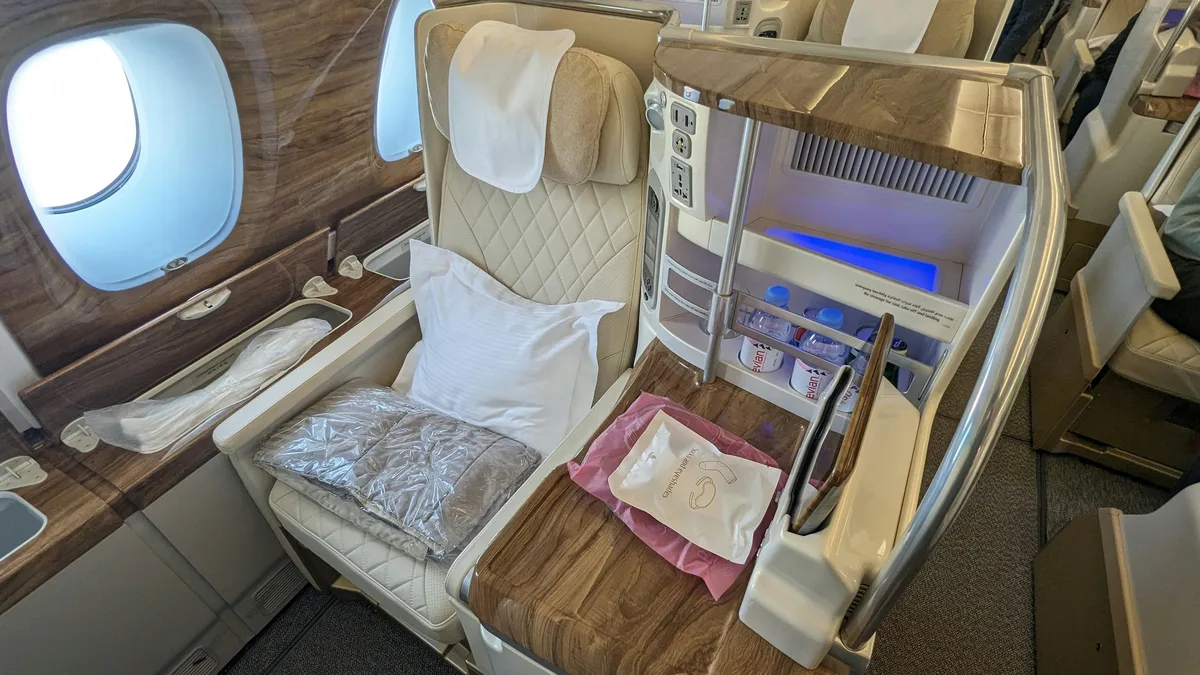
United Attendants Lament Lost First Class Meals
A passenger overheard two United Airlines flight attendants expressing disappointment that a sub-900-mile flight no longer offers a first class meal.
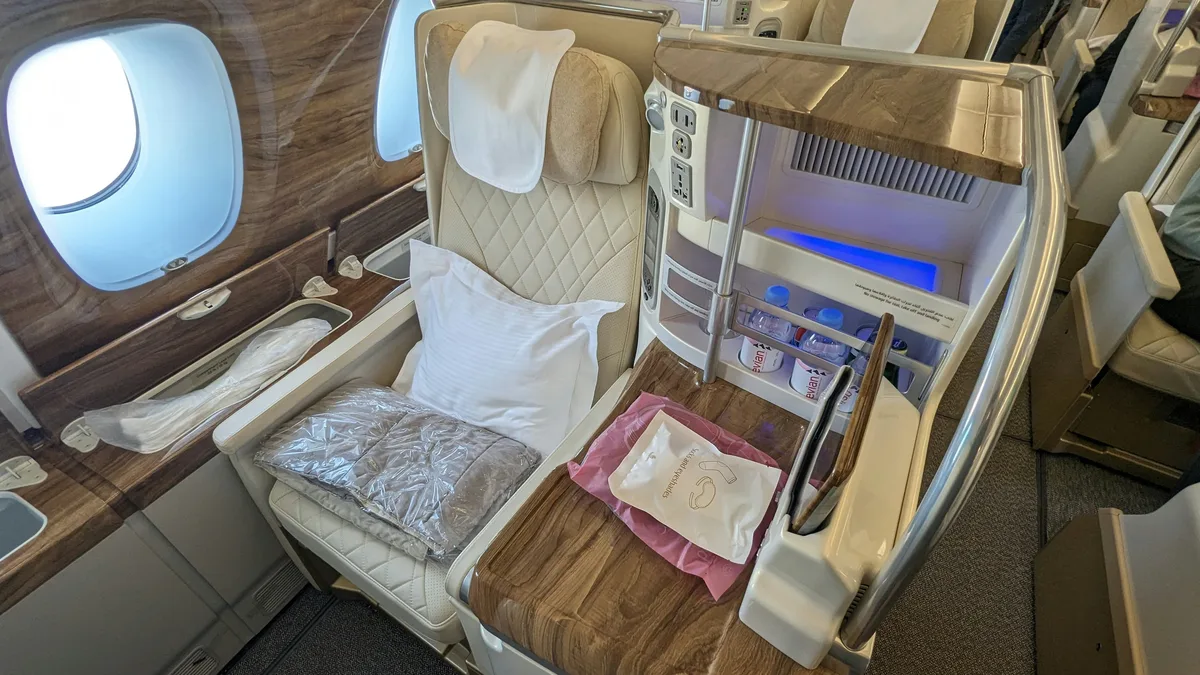
JetBlue Details New BlueFirst Premium Seats
JetBlue has detailed its new BlueFirst premium seating, featuring a 2-2 layout with extra legroom, larger screens, Bluetooth audio, and cold...
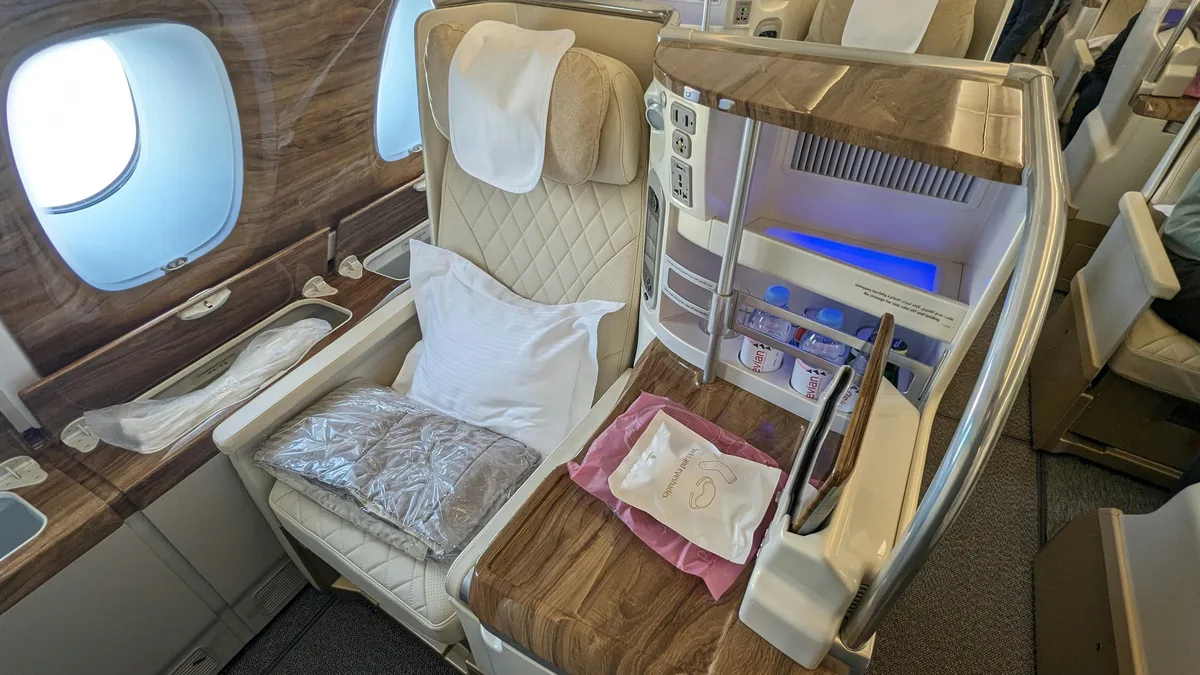
JetBlue Reveals BlueFirst Cabin Details
JetBlue's new BlueFirst cabin will feature lie-flat seats, seatback ordering, and premium meals. It launches later this year.
Exclusive Travel Deals: Discounts on Security, Award Flights and More
TPG offers special discounts on travel services, including Clear+, Hilton Honors points, Point.me, Junova, and exclusive perks for paid Substack...