American Airlines to Trial Improved Rolling Delay Handling
American Airlines is reportedly developing a program to provide more realistic departure times during rolling delays, with a trial planned for its
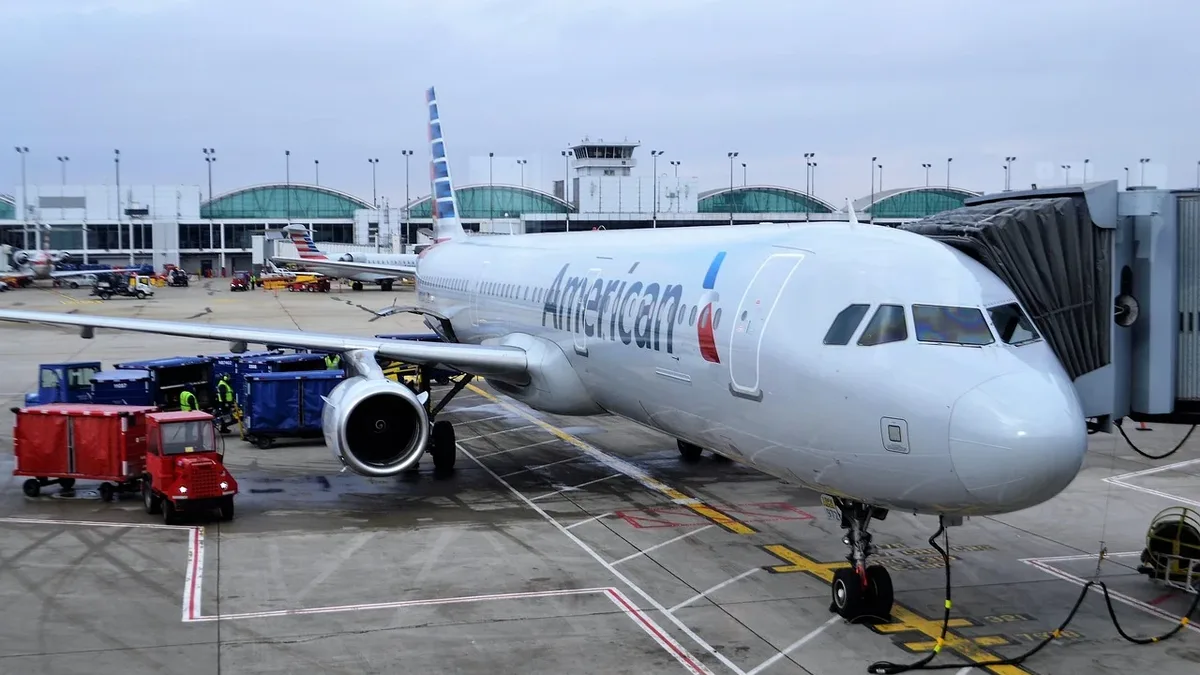
American Airlines has plans to improve how it handles rolling delays, a frequent and frustrating source of customer complaints. The airline will trial a new program at its Charlotte (CLT) hub aimed at giving passengers more accurate departure estimates during these protracted disruptions.
Rolling delays occur when an airline repeatedly pushes back a flight's departure time in short increments, often leaving passengers stranded at the gate with unreliable information. For years, travelers have relied on third-party tools like Flightradar24 or inbound flight data to guess actual departure times, rather than trusting the airline's official status updates.
The New Approach to Delay Communication
The core of the new initiative is a commitment to greater realism. American will reportedly try to provide passengers with a more honest sense of when a flight will actually depart during rolling delays. This marks a potential shift from past practices where departure time updates often seemed disconnected from operational reality, such as when boarding is announced while the inbound aircraft has not yet landed.
The airline has been improving other aspects of delay management. Its app and website now share reasons for delays, and self-rebooking capabilities for passengers have gotten better. However, honesty during rolling delays has remained a major point of contention.
A History of Frustration and Recent Improvements
American's handling of rolling delays has long been described as a disaster by frequent flyers. The reported plan to fix the issue has been met with a mix of approval and frustration. Observers note that while the improvements are welcome, they are years behind initiatives already implemented by competitors.
The source expresses anger that it took airline executives until now to address a problem customers have complained about for years. It credits the people working on operational improvements but criticizes senior leadership for allowing the situation to deteriorate so severely before acting.
The Path Forward from Charlotte
The pilot program in Charlotte is the first step. If successful, the system is expected to expand throughout American's network. The move is seen as part of a broader, necessary effort by the airline to improve customer treatment, recognizing that poor experiences ultimately impact its financial performance.
The report concludes by questioning why American lacked a visionary leader to drive these cultural and operational changes sooner, framing the new delay-handling focus as a late but necessary correction.