U.S. Airlines Oppose Two Extra China Flights Over Fare Fears
American, Delta, and United are opposing Air China's request for two additional flights, fearing it could lower fares and set a precedent for Chinese
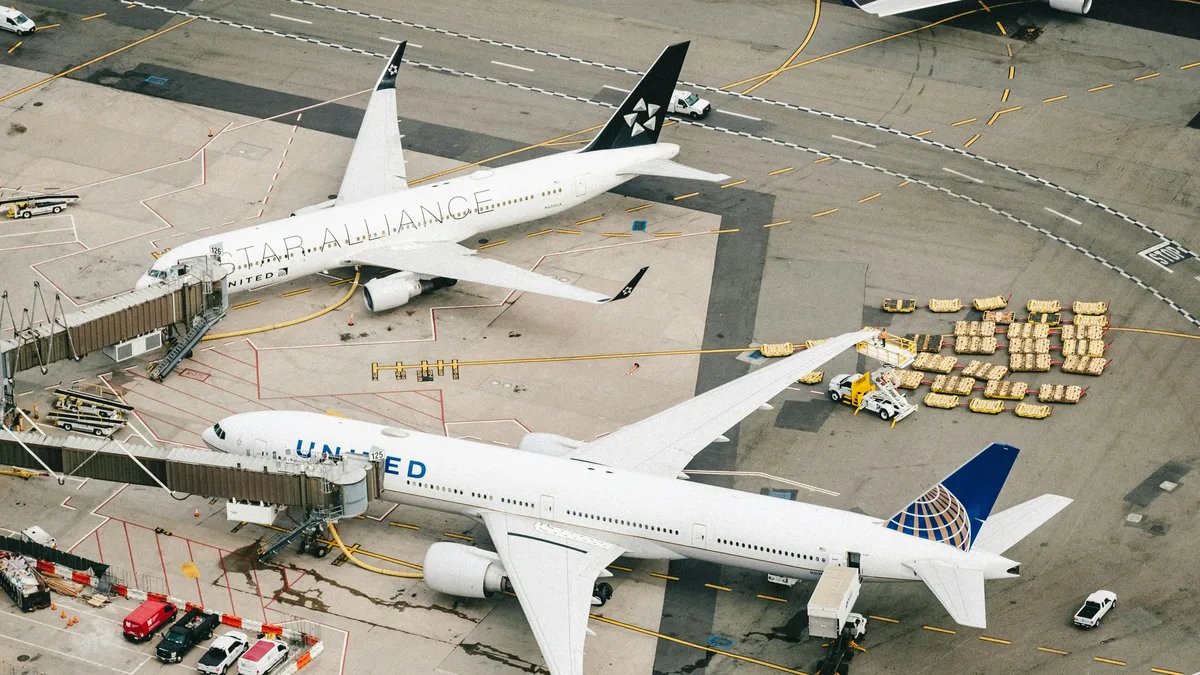
American Airlines, Delta Air Lines, and United Airlines are fighting a request from Air China to add just two more flights between the U.S. And China. The U.S. Carriers oppose the move because they fear more capacity will drive down trans-Pacific fares and create an unfair advantage for Chinese airlines that can use Russian airspace.
Air China is seeking the two extra flights this week and next, linked to a visit by Chinese President Xi Jinping. U.S. Airlines want these flights classified as charters. They argue that approving them as regular scheduled service could set a precedent, potentially leading to more regular flights operated by Chinese carriers over Russia.
The Pre-Pandemic Capacity Glut
Before the pandemic, over 300 weekly flights connected the U.S. And China, split roughly evenly between carriers from each country. This volume exceeded passenger demand, turning many routes into money-losers. American Airlines stated its Chicago-Beijing and Chicago-Shanghai services were losing tens of millions of dollars. The airline said it only used Chicago because it was the first available slot.
This excess capacity created cheap fares not only to China but also for connections beyond into the rest of Asia. U.S. Airlines held onto authority to fly to China in anticipation of future growth, while Chinese airlines claimed routes under a government policy that prevented domestic carriers from competing against each other on international services.
The Post-Reset Market
The pandemic drastically reset the market. A formal agreement now permits just 50 weekly flights per side, about one-third of pre-pandemic levels, with roughly 48 currently operating.
U.S. Airlines cite two main reasons for opposing any increase to this limit. First, they do not want added capacity to push fares lower. Second, they contend the playing field is not level. Chinese airlines are permitted to overfly Russia, while U.S. Carriers are not due to sanctions related to the war in Ukraine. This makes east coast U.S. Flights to China longer, more fuel-intensive, and more costly for American operators.
A Battle Over Precedent
The core of the current dispute is whether two additional flights constitute a dangerous precedent. U.S. Carriers are adamant that the Air China flights must be classified as one-off charters, not added to the regular scheduled allowance. They worry that any expansion of the quota could lead to a gradual return of the capacity that previously depressed profits.
The report suggests the airlines' stance is fundamentally protectionist. They prefer a market where trans-Pacific travel remains expensive and consumer choice is limited largely to their services. The fight over two flights highlights their determination to maintain the current, more profitable equilibrium and avoid a return to the pre-pandemic era of cheap fares driven by oversupply.