Air Line Pilots Association
| Common name | Air Line Pilots Association |
|---|---|
| Country of origin | United States |
| First created | 1931 |
| Original use | Representing airline pilots in collective bargaining |
| Scope | Major commercial airlines in the United States and Canada |
| Headquarters location | McLean, Virginia, United States |
| Membership type | Labor union |
| Key functions | Contract negotiation, safety advocacy, legal representation |
Origin and history
The Air Line Pilots Association (ALPA) originated in the United States during the early decades of commercial aviation. It was founded in 1931 by a group of pilots seeking to address the hazardous and unpredictable working conditions of the era. Its formation was a direct response to the lack of standardized safety regulations, inconsistent pay, and the extreme occupational risks faced by early airline pilots. The association's first major collective bargaining agreement was secured with Transcontinental & Western Air (TWA) in 1939, setting a critical precedent for the industry. ALPA played a pivotal role in advocating for the establishment of the Civil Aeronautics Board, which brought federal oversight to airline safety and economics. Its history is deeply intertwined with the professionalization of the piloting craft and the development of modern aviation safety protocols.
What it is for
The Air Line Pilots Association is a collective bargaining agent that represents the contractual and professional interests of its member pilots at most major and regional airlines in the United States and Canada. Its primary function is to negotiate and enforce the collective bargaining agreements that govern pilot pay, benefits, work rules, and retirement plans. The association provides extensive legal representation for pilots involved in contractual disputes, disciplinary proceedings, or safety-related whistleblower cases. A core and equally critical part of its mission is its active engagement in aviation safety and regulatory affairs, where it advocates for stricter standards before bodies like the Federal Aviation Administration. It also administers benefit programs, offers professional development resources, and coordinates mutual aid for pilots during periods of hardship. Ultimately, it exists to provide a unified voice for pilots in matters affecting their careers, safety, and the overall health of the airline industry.
Pros and cons
A primary pro of ALPA representation is the substantial collective bargaining power it wields, which historically has secured industry-leading compensation, robust benefits, and critical safety-oriented work rules that individual pilots could never achieve. The association's deep expertise in aviation law and safety regulations provides members with a formidable defense in disciplinary cases and a powerful advocate for systemic safety improvements. Conversely, a significant con is the potential for conflict between the union's broader strategic goals and the immediate desires of a specific pilot group, sometimes leading to perceptions of slow or unresponsive leadership during critical negotiations. The democratic but complex internal governance structure can also result in protracted decision-making processes, which may delay resolution during urgent contract disputes. Some pilots at smaller carriers or in unique situations may regret the standardized, one-size-fits-all approach of a large union, feeling their specific operational concerns are not prioritized. A common mistake is for non-members or the public to view union actions solely through the lens of pay disputes, underestimating the central, continuous role ALPA plays in daily operational safety and procedural oversight.
Who it suits
ALPA suits career airline pilots who are committed to the industry for the long term and who value the security, defined career progression, and retirement benefits that collective bargaining provides. It is particularly suited for pilots who prioritize a strong, organized focus on systemic safety advocacy and who want expert legal protection available as a standard condition of employment. The association best serves pilots at large, complex airlines where intricate contracts and frequent interactions with management require a sophisticated and well-resourced representative body. It is also a necessary fit for pilots who accept that achieving long-term gains often requires solidarity and occasional personal sacrifice during periods of collective action, such as strike authorization. Pilots who are uncomfortable with union dues, collective decision-making, or the potential for their individual preferences to be subsumed by majority vote may find the arrangement less suitable. Ultimately, it is the established framework for the vast majority of professional airline pilots in North America, structuring a career that balances individual skill with collective bargaining power.
Latest Air Line Pilots Association news
Latest reporting
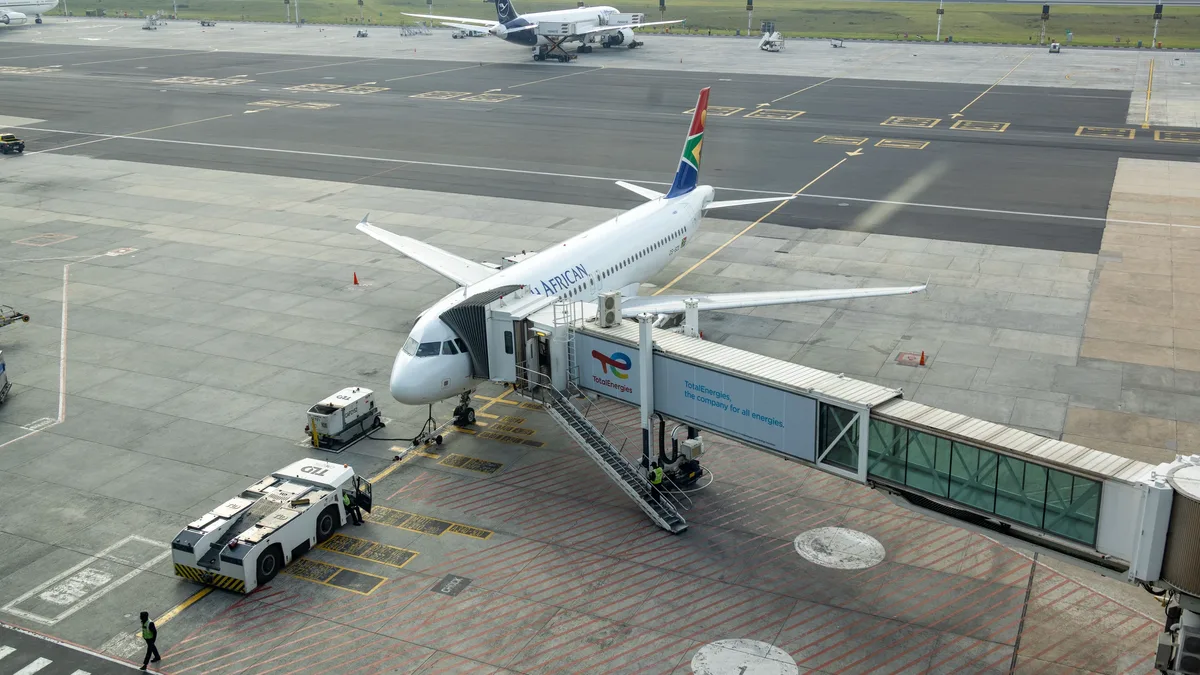
South African Airways delays salaries again despite profit claim
South African Airways has delayed salaries for pilots, managers, and executives for a second consecutive month, even as its latest financial results...
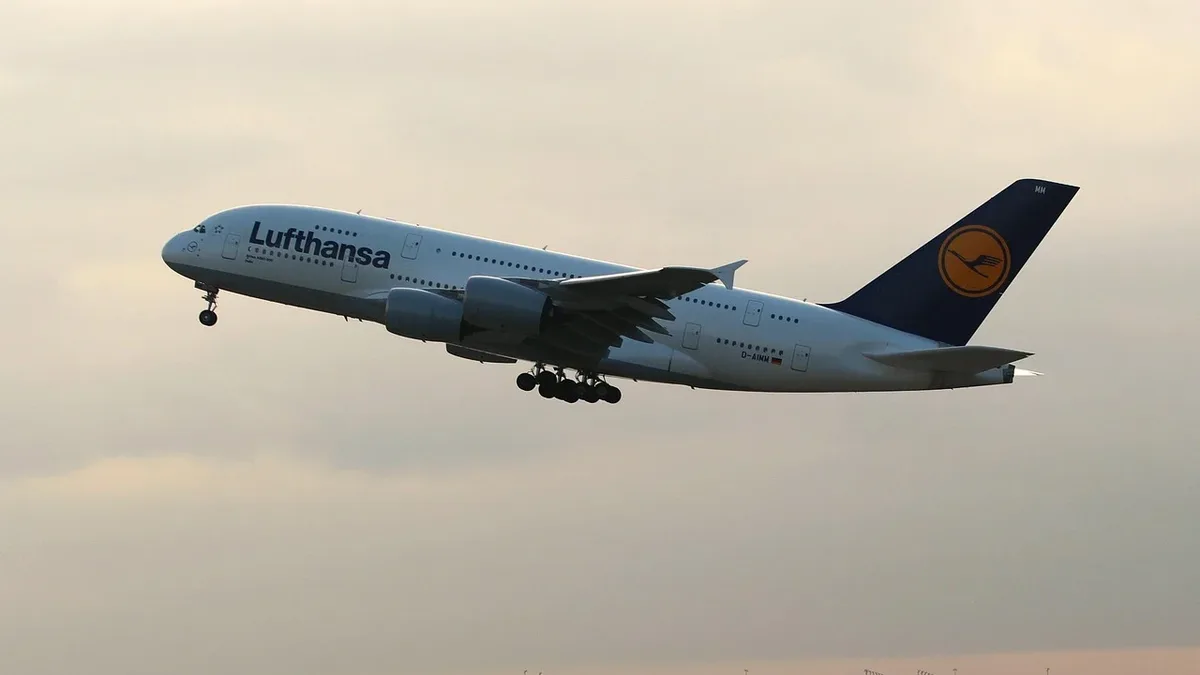
Lufthansa pilots question ATC after 17-minute SFO takeoff delay
Lufthansa A380 pilots waited 17 minutes for takeoff clearance at San Francisco Airport on October 9, 2026, prompting a radio exchange with ATC over...

Tuberville claims many airline pilots are furries
Senator Tommy Tuberville asserted on the Senate floor that many airline pilots, flight attendants, and air traffic controllers are furries, without...
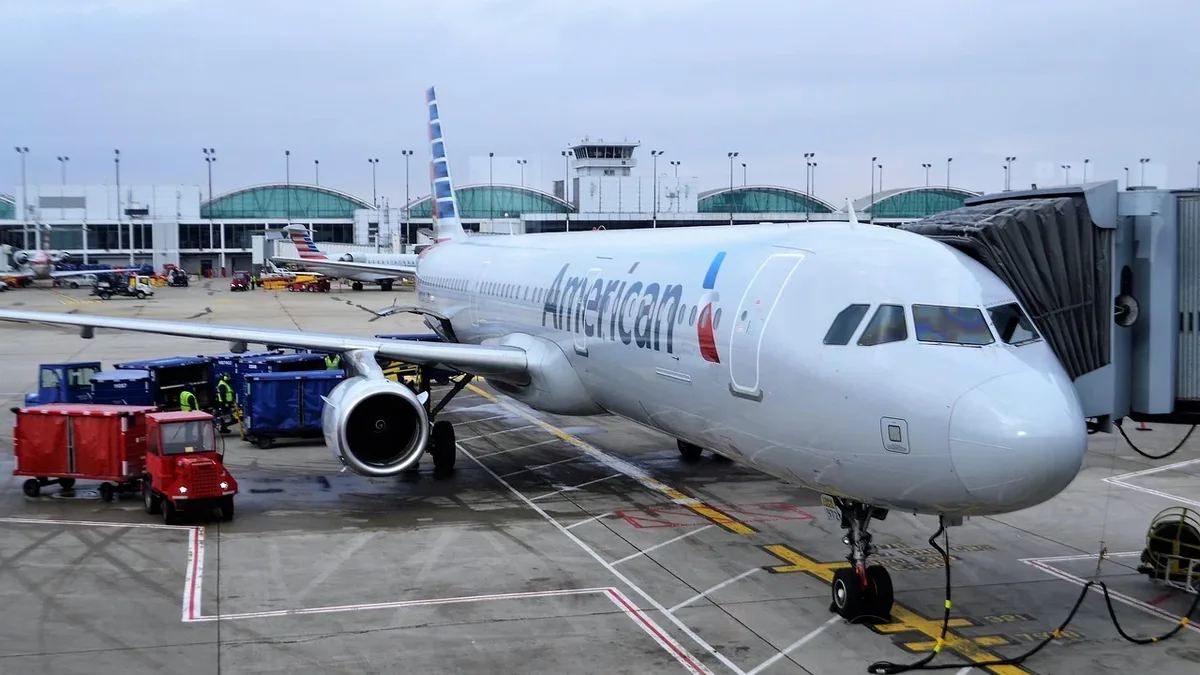
American Airlines Pilots Union Demands New CEO
The Allied Pilots Association, representing American Airlines pilots, is calling for CEO Robert Isom's replacement despite acknowledging recent...