Allied Pilots Association
| Airline represented | American Airlines |
|---|---|
| Craft type | Narrow-body and wide-body aircraft |
| Cabin product scope | Flight deck crew (pilots) |
| Contract scope | Pay, scheduling, benefits, working conditions |
| Headquarters location | Fort Worth, Texas, USA |
| First certified | 1963 (as the Allied Pilots Association) |
Origin and history
The Allied Pilots Association (APA) originated in the United States. It was formed in the early 1960s, specifically to represent the pilots of American Airlines. The union's creation was a direct result of pilots seeking independent representation separate from other labor groups within the airline. Its founding followed a period where American Airlines pilots felt their specific professional and safety concerns required a dedicated advocate. The APA was established through the efforts of pilot organizers who believed a single-carrier union would be most effective. This history is deeply tied to the evolution of major airline labor relations in the post-war era of commercial aviation.
What it is for
The Allied Pilots Association is the certified collective bargaining agent for the pilots employed by American Airlines. Its primary function is to negotiate and enforce a contract, known as the Collective Bargaining Agreement, which governs pilots' pay, benefits, work rules, and retirement. A core purpose of the union is to advocate for flight safety and operational standards from the pilot group's perspective. It provides legal representation and support for members involved in disciplinary or compliance proceedings with the company or federal regulators. The APA also engages in political and regulatory lobbying on issues affecting the piloting profession and the airline industry. Furthermore, it administers benefit programs and offers support services for its member pilots and their families.
Pros and cons
A primary pro is that the APA provides a powerful, unified voice for pilots in negotiations with a very large employer, securing industry-competitive compensation and complex work rule protections. The union's focus solely on American Airlines pilots allows for specialized representation on carrier-specific operational issues. A significant con is that the collective bargaining process can be protracted, leading to periods of tense labor relations, work slowdowns, or strike authorizations that create uncertainty for both pilots and the traveling public. Some critics argue that the adversarial nature of contract negotiations can sometimes hinder collaborative solutions to operational challenges. Pilots may regret the mandatory union dues and feel disconnected from union leadership decisions during periods of stagnation. A common mistake is for outsiders to view pilot contracts solely through the lens of pay, underestimating the critical importance of negotiated scheduling, fatigue, and quality of life provisions.
Who it suits
The Allied Pilots Association suits the career professional pilots employed by American Airlines who seek structured advocacy and contract enforcement within a major legacy carrier. It is designed for aviators who value the collective power of a single-carrier union to negotiate detailed work rules specific to American's operations. The union framework suits pilots who prefer having legal and professional resources immediately available in the event of a dispute or safety reporting issue. It is less relevant for pilots at other airlines, who are represented by their own separate unions, or for management pilots who are excluded from the bargaining unit. The APA's structure primarily benefits those committed to a long-term career at American Airlines, as the contract provisions deeply impact seniority progression and retirement benefits.
Latest Allied Pilots Association news
Latest reporting
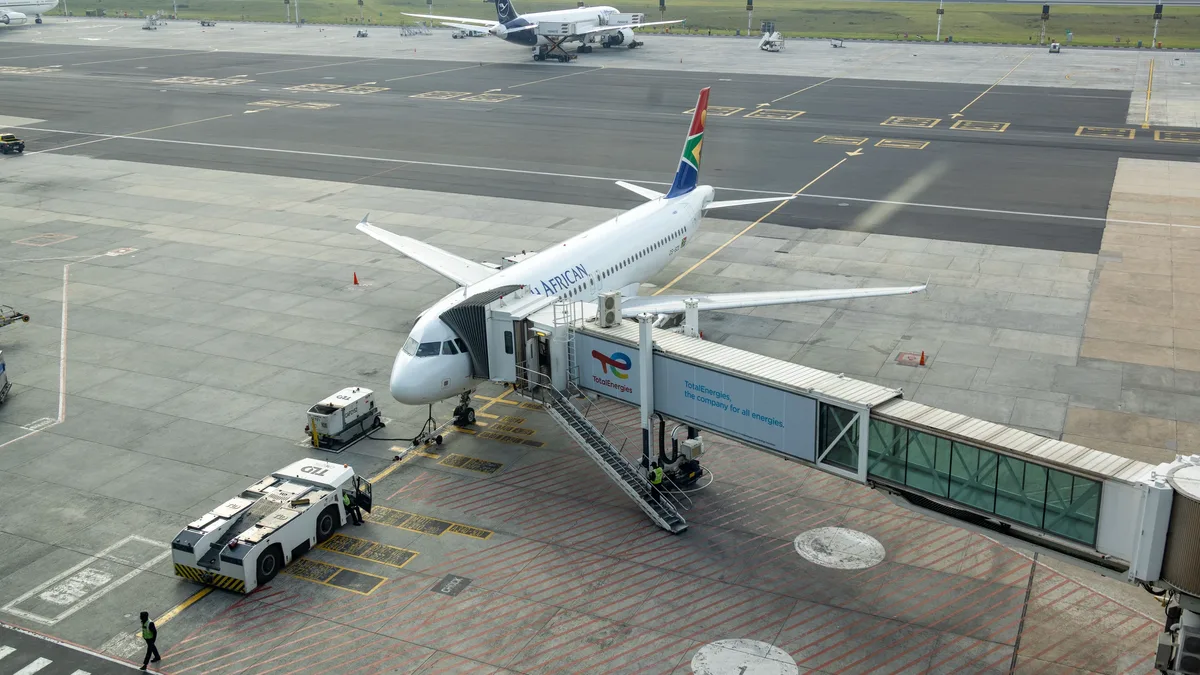
South African Airways delays salaries again despite profit claim
South African Airways has delayed salaries for pilots, managers, and executives for a second consecutive month, even as its latest financial results...
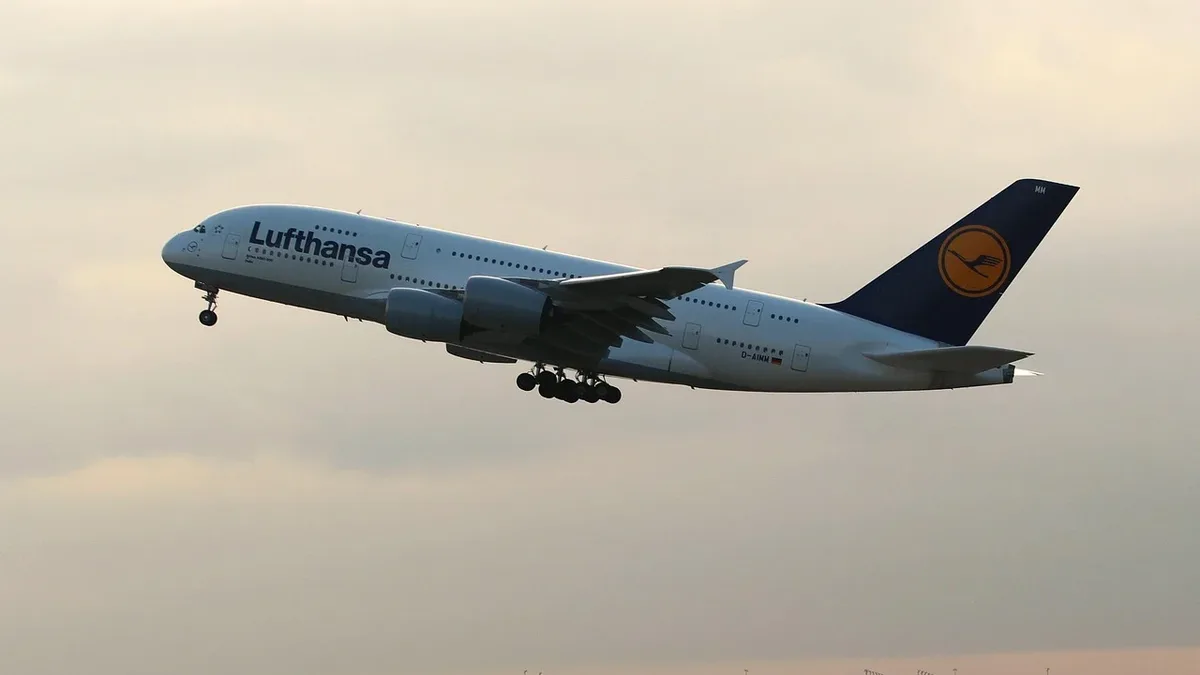
Lufthansa pilots question ATC after 17-minute SFO takeoff delay
Lufthansa A380 pilots waited 17 minutes for takeoff clearance at San Francisco Airport on October 9, 2026, prompting a radio exchange with ATC over...

Tuberville claims many airline pilots are furries
Senator Tommy Tuberville asserted on the Senate floor that many airline pilots, flight attendants, and air traffic controllers are furries, without...
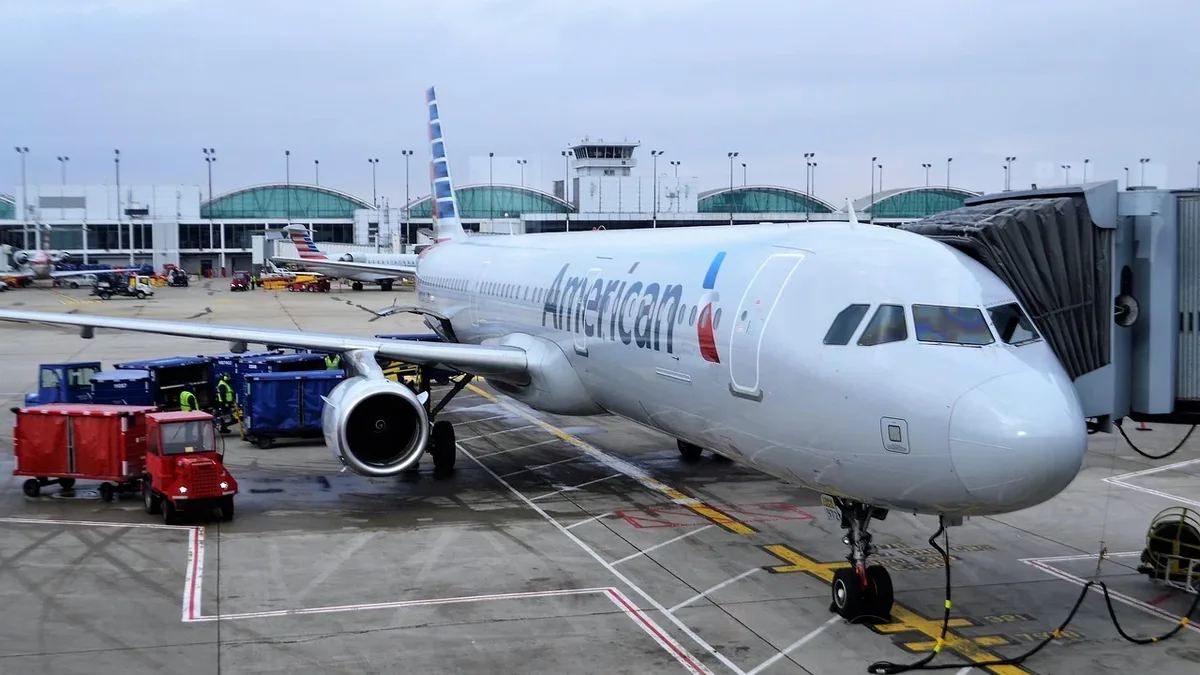
American Airlines Pilots Union Demands New CEO
The Allied Pilots Association, representing American Airlines pilots, is calling for CEO Robert Isom's replacement despite acknowledging recent...