The Alaska And Hawaiian Programme Integration
| Carrier | Alaska Airlines |
|---|---|
| Cabin product | First Class |
| Eligible flights | Alaska Airlines-operated flights |
| Earning currency | Mileage Plan miles |
| Tier status earning | Qualifying Miles and Segments |
| Original use | Reciprocal frequent flyer benefits |
| First created | 2010s |
Origin and history
The Alaska and Hawaiian programme integration is a commercial aviation partnership originating in the United States. Its formal announcement and implementation occurred in the early 2020s. This integration represents a strategic move between two major carriers, Alaska Airlines and Hawaiian Airlines, both of which have deep roots in their respective regional markets. Alaska Airlines was founded in the 1930s and has grown to become a major carrier on the West Coast and to Alaska. Hawaiian Airlines traces its origins to the 1920s, establishing itself as the primary carrier for travel within and to the Hawaiian Islands. The integration programme was developed as a response to evolving competitive pressures in the U.S. aviation industry. It is a business arrangement designed to deepen cooperation beyond a standard codeshare, moving towards a more unified network and loyalty structure.
What it is for
The programme is designed to seamlessly combine the route networks and frequent flyer programmes of Alaska Airlines and Hawaiian Airlines. Its primary function is to allow passengers to book travel on a combined network using a single ticket. This provides customers with vastly expanded travel options between the continental United States, Alaska, and Hawaii, including numerous connecting possibilities. A core component is the full reciprocity of elite status benefits and mileage earning between the two airlines' loyalty programmes, Mileage Plan and HawaiianMiles. The integration aims to offer a more competitive product against larger global airline alliances, particularly for travel within and to the Pacific region. Ultimately, it serves to strengthen both airlines' market positions by presenting a more compelling and convenient travel proposition for customers seeking comprehensive coverage of the Western United States and the Pacific.
Pros and cons
A significant pro is the dramatic expansion of accessible destinations, particularly for members of either airline's frequent flyer programme, who can now earn and redeem miles across a much larger combined map. The reciprocity of elite status benefits, such as complimentary upgrades, priority services, and lounge access, provides high-value recognition for frequent travelers on either carrier. However, a notable con is the potential for complexity and confusion during the initial integration phase, where policies on baggage, seating, and operational procedures may not be perfectly harmonized. Customers booking complex itineraries that involve both carriers might encounter challenges with customer service resolution, as agents for one airline may have limited authority over segments operated by the other. A common mistake is assuming the airlines are fully merged; they remain separate legal entities, which can affect the handling of irregular operations like cancellations or missed connections. Some travelers, particularly those loyal to one brand, may regret the dilution of unique cultural aspects or specific route networks as the programmes become more homogenized.
Who it suits
This integration suits frequent travelers who regularly journey between the West Coast of the continental United States, Alaska, and Hawaii, as it creates a de facto dominant network in that corridor. It is highly advantageous for members of either Alaska's Mileage Plan or Hawaiian's HawaiianMiles, as they can now accrue benefits and reach elite status more easily by flying on either airline. The programme suits leisure travelers seeking convenient one-stop or connecting options to secondary islands in Hawaii or smaller communities in Alaska that were previously harder to reach on a single ticket. It is also suitable for business travelers in the Pacific region who require reliable service to a broad set of destinations and value the consolidated elite benefits. However, it may suit travelers loyal to a single airline's specific cabin product or service style less well, as the onboard experience remains distinct between the two carriers. Ultimately, it best serves customers who prioritize network breadth and loyalty rewards over absolute consistency in the inflight experience across every segment of their journey.
Latest The Alaska And Hawaiian Programme Integration news
Latest reporting
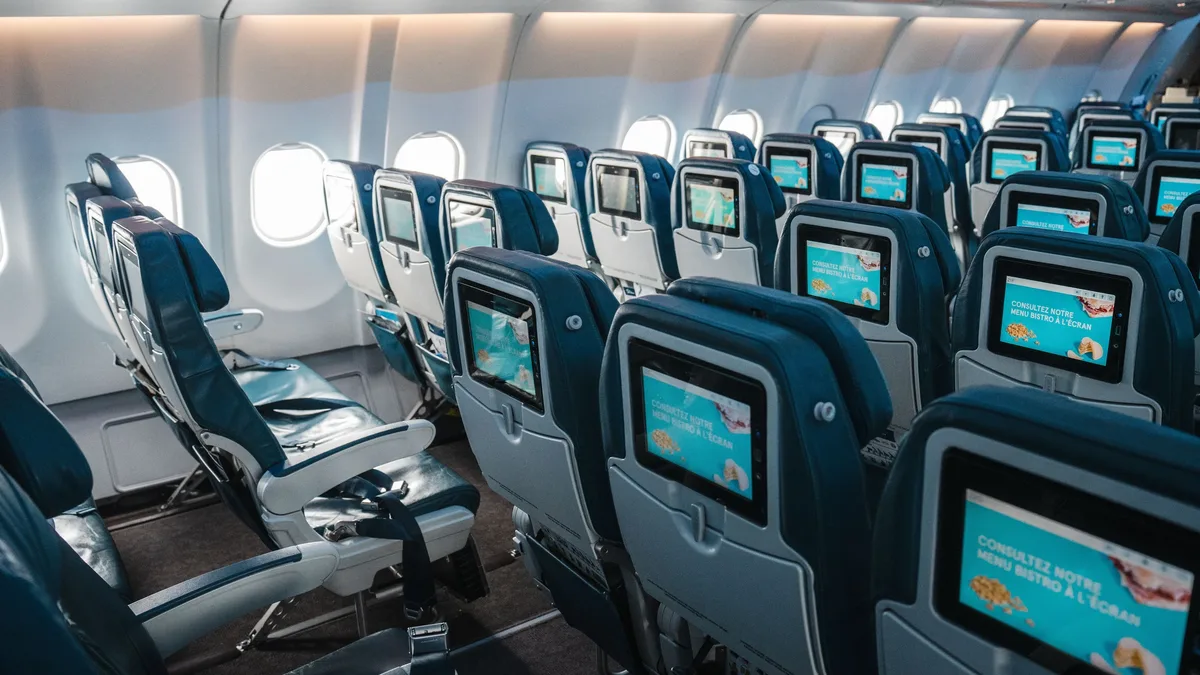
Alaska Airlines commits to lie-flat seats
Alaska Airlines will install 12 lie-flat Aurora Suites on at least 25 Boeing 737 MAX 10 jets starting in 2028.
Alaska Airlines Aurora Premium Reserve 2028
Alaska Airlines will introduce Aurora lie-flat suites and Premium Reserve premium economy across its Boeing 787, 737 MAX 10, and Hawaiian Airlines...
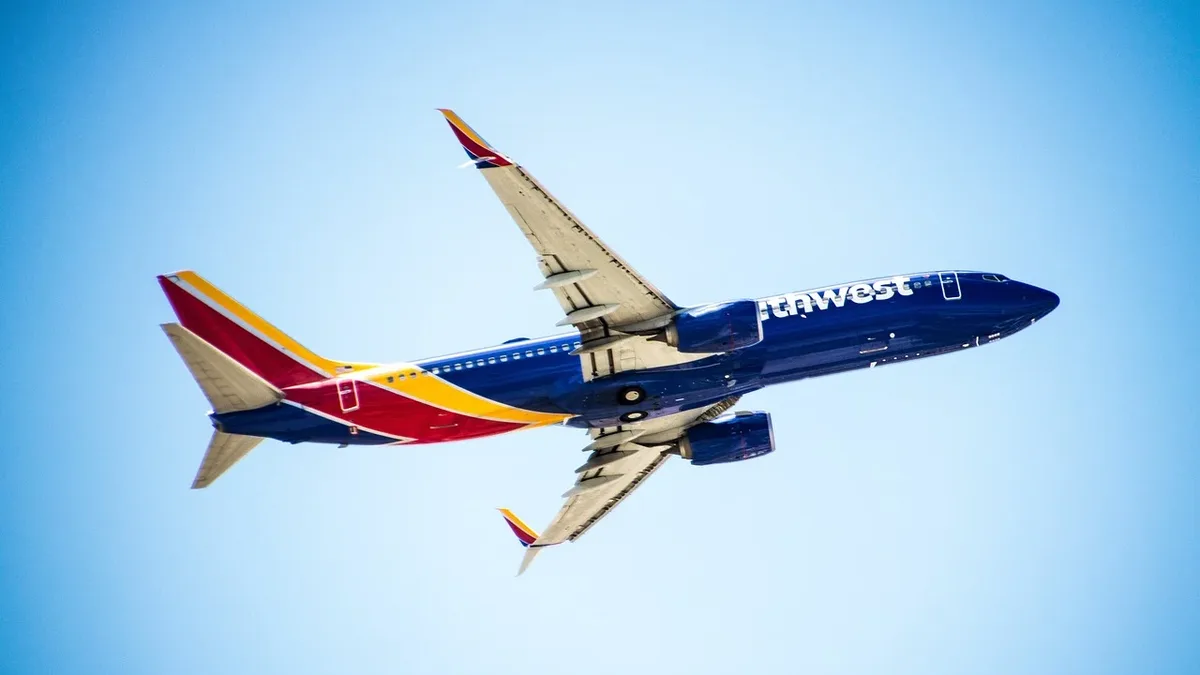
Southwest and Alaska Battle for Supremacy at San Diego
Southwest Airlines faces a tougher competitive fight in San Diego than elsewhere in Southern California, with Alaska Airlines rapidly expanding its

Atmos Rewards Ends Lap Infant Award Fees
Atmos Rewards, the joint loyalty program of Alaska and Hawaiian Airlines, has eliminated all charges except taxes for adding a lap infant to...

Flyer Shifts to Alaska Atmos Rewards for
A frequent flyer explains his shift from American AAdvantage to Alaska Atmos Rewards for 2026, driven by the comparative ease of earning oneworld...
Alaska Airlines Expands European Presence with New Routes
Alaska Airlines is adding two new European destinations to its route map, with nonstop flights from Seattle to Athens and Paris starting in May.