Southwest and Alaska Battle for Supremacy at San Diego
Southwest Airlines faces a tougher competitive fight in San Diego than elsewhere in Southern California, with Alaska Airlines rapidly expanding its
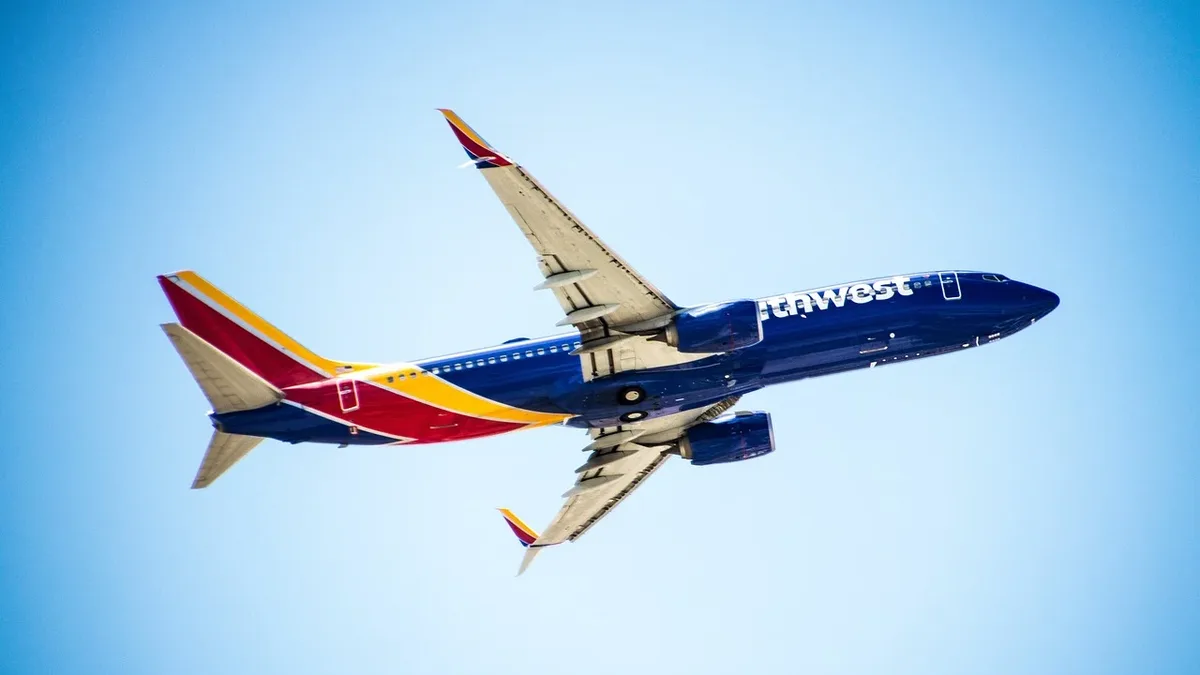
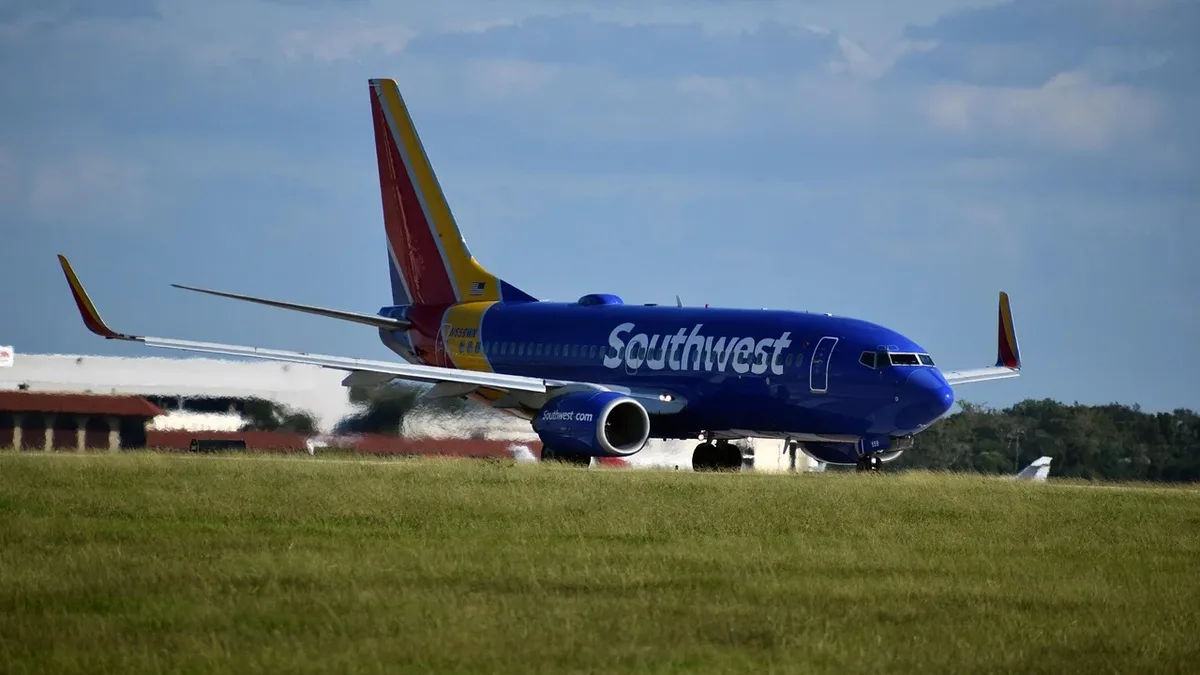
Southwest Airlines is the largest carrier at San Diego International Airport (SAN), but it faces a more intense competitive battle there than at other Southern California airports. According to an analysis by Cranky Flier, Alaska Airlines has rapidly grown its operation since 2012 and now operates more than three times the flights of any other airline besides Southwest at the airport.
San Diego presents a unique challenge because it lacks a viable secondary airport. Options like Tijuana or Carlsbad are not practical for most domestic travel, leaving the single-runway Lindbergh Field as the primary gateway. After years of gate constraints, new facilities opened in late 2025, triggering a capacity battle between the two largest carriers.
A Historical Perspective
Pacific Southwest Airlines (PSA) dominated San Diego in 1980. Southwest entered the market in 1982 and grew slowly while legacy carriers consolidated. PSA was absorbed into USAir, and Western merged into Delta. By the early 1990s, Southwest began a significant expansion, backfilling routes left by PSA. While other majors like Delta, United, and American scaled back in the late 1990s and 2000s, Southwest continued growing. By 2010, it commanded over 40 percent of the airport's flights.
Alaska Airlines, a presence since 1986, began a major growth push in 2012. Its departures soared from just under 6,000 that year to over 16,000 by 2018. The late 2025 gate expansion allowed both airlines to add significant flying.
The Current Competitive Landscape
In 2026, Southwest operates approximately 41,500 flights from San Diego, compared to Alaska's nearly 36,000. However, Alaska uses smaller aircraft, averaging shy of 120 seats per flight versus Southwest's average of over 160 seats. This makes Southwest the larger carrier by total capacity, but Alaska has closed the gap considerably. Before the pandemic, Alaska had about 40 percent of Southwest's seat capacity in the market; that figure now lies above 60 percent.
| Airline | Estimated 2026 Departures | Average Seats per Flight |
|---|---|---|
| Southwest | ~41,500 | >160 |
| Alaska | ~36,000 | <120 |
Financial Performance and Pressure
Data from Cirium indicates Alaska has generally achieved a stage length-adjusted (SLA) unit revenue premium over Southwest in San Diego, which the analysis attributes to its use of smaller planes serving smaller, higher-fare markets. The revenue gap between the two airlines has widened in the past three to four years.
The intense competition is impacting both carriers' financial performance at the airport. Compared to their respective system-wide averages, both airlines are showing significant weakness in San Diego. The analysis notes that Southwest felt this pressure just before the pandemic, and the recent capacity additions since the fourth quarter of 2025 have exacerbated the trend for both.
Cranky Flier's report frames this as a strategic fight, stating, "There's no world where I would expect to see Southwest lose this battle." The central question is whether Alaska will find a level where both airlines can profitably coexist. The battle for San Diego continues as both carriers operate in a constrained airport with no nearby alternatives for travelers.