SAS Passengers Face Downgrade on Jettime Wet-Lease 737
An SAS-branded flight from Zurich to Copenhagen was operated by a Jettime Boeing 737-800, offering a notably inferior cabin product compared to SAS's own
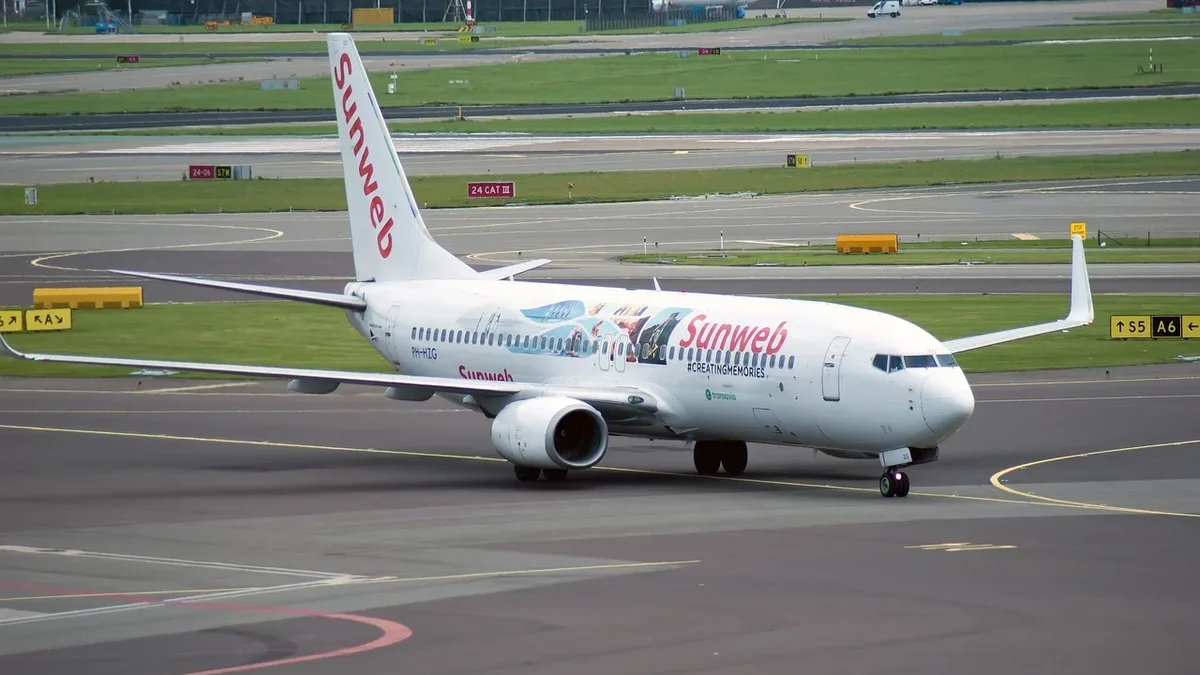
A passenger expecting a standard SAS Airbus flight from Zurich to Copenhagen instead boarded a Boeing 737-800 operated by Danish charter carrier Jettime. The flight was a wet-lease operation, where SAS sold the ticket but Jettime supplied the aircraft and crew.
While the flight operated safely with friendly service, the aircraft represented a significant cabin product downgrade. The source, writing for Live and Let's Fly, reported the Jettime jet lacked Wi-Fi, USB charging, and electrical outlets. Legroom was described as terrible, and the slimline seats had minimal padding compared to SAS's standard.
The Wet-Lease Cabin Experience
For passengers, the operational arrangement translated to a reduced inflight experience. The author noted the expectation created by an SAS flight number includes connectivity, charging, and certain seating standards. This flight delivered basic transportation but not the full SAS product, especially as the airline rolls out Starlink internet across its own fleet.
Meal service was still provided and presented identically to a regular SAS flight. The crew members were attentive. On a relatively short European sector, the issues were tolerable but noticeable.
The Reason Behind The Substitution
Wet leases are a standard industry tool for airlines to manage seasonal demand, aircraft shortages, or operational disruptions. SAS retired its last mainline Boeing 737 in 2023, transitioning to an all-Airbus fleet. The presence of the Jettime 737 surprised the author, who thought such arrangements had ended.
The practice allows SAS to maintain its schedule and brand on the ticket, while another carrier handles the flying. Operationally, it makes sense. From the customer's perspective, however, the onboard hardware is not equivalent.
A Noticeable Product Difference
The core of the experience was a divergence between brand promise and delivered product. The author found the seats particularly uncomfortable. The absence of power and internet hampered productivity plans for the flight.
The limited galley equipment on the charter aircraft also subtly affected the meal service. The flight concluded without incident, arriving safely in Copenhagen. The author's first-ever SAS flight was in 2008 on a 737-600, making this an unexpected return to a Boeing type on the airline.