United Airlines prioritizes higher fares over full planes
United Airlines is accepting lower load factors as it raises ticket prices to fully recover soaring fuel costs, shifting its focus from occupancy targets to revenue and long-term profitability.
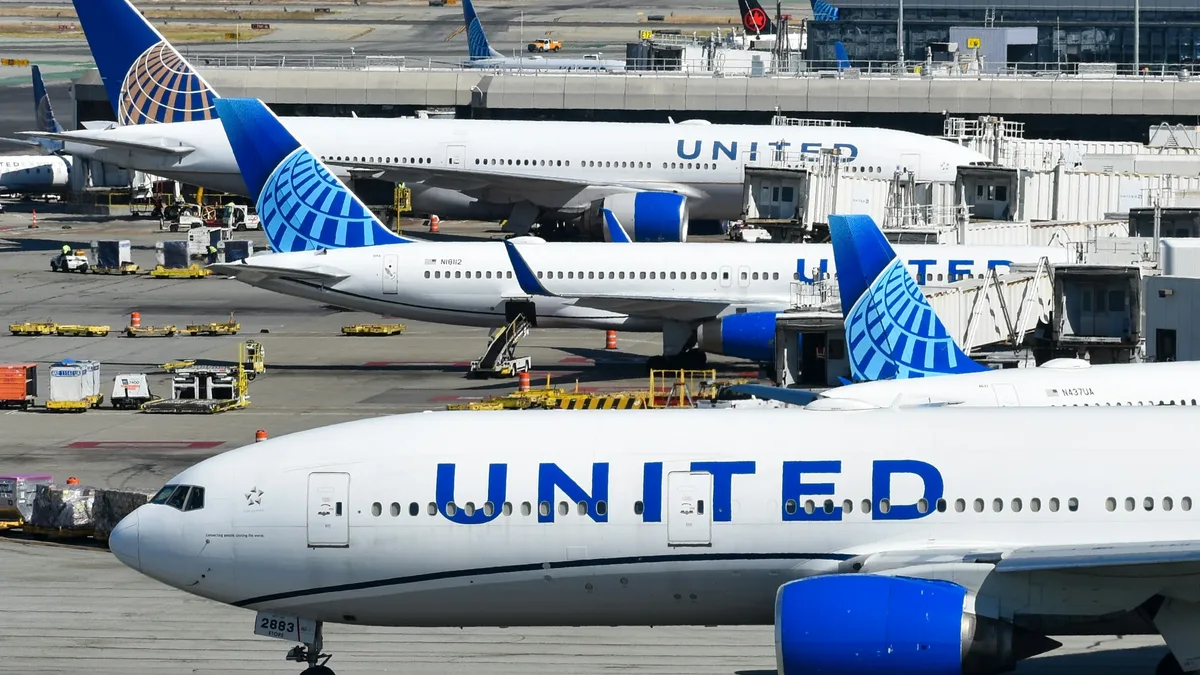
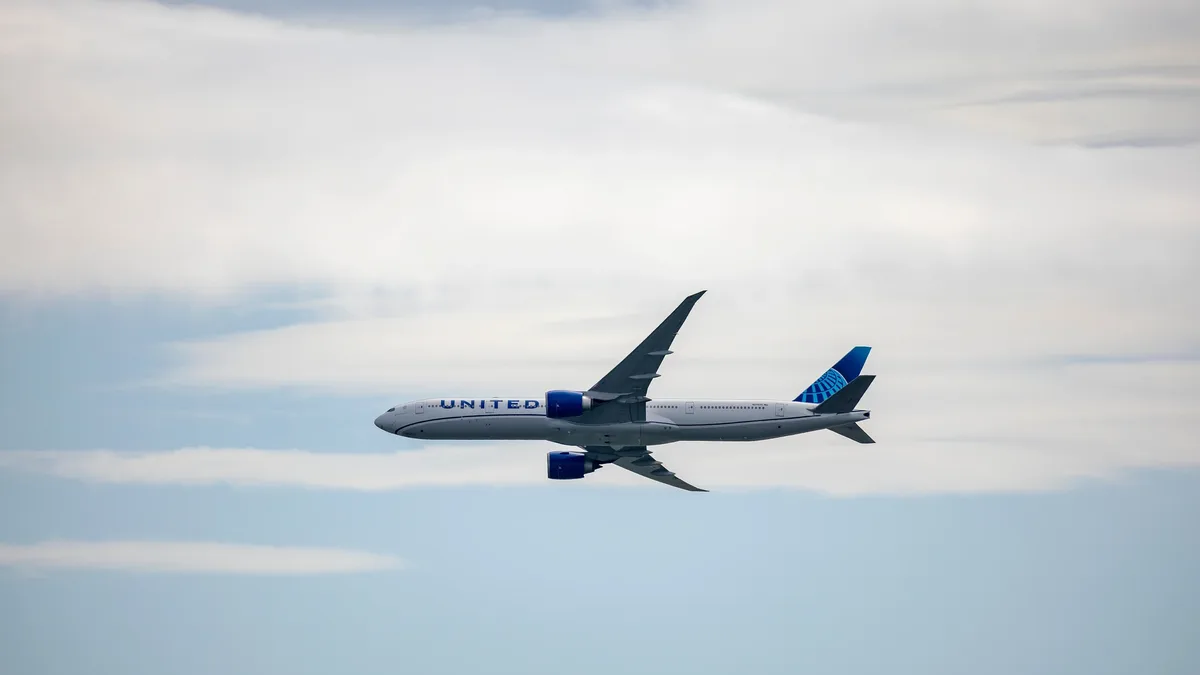
United Airlines is raising ticket prices to recover 100% of its increased fuel costs, even if that results in planes flying with more empty seats. The carrier's leadership has stated it is comfortable with lower occupancy when higher fares produce stronger revenue and protect long-term profitability.
Andrew Nocella, United's Chief Commercial Officer, said, "We do not manage to a fixed load factor target." Instead, the airline focuses on maximizing revenue relative to capacity. Nocella confirmed the airline expects slightly lower load factors in the fourth quarter as a direct result of pricing actions taken to offset fuel expenses. The strategy accepts that some price-sensitive travelers may be lost, provided the higher fares from remaining passengers more than compensate.
Fuel cost pressures drive pricing decisions
Soaring jet fuel prices are forcing airlines to make difficult trade-offs. Gulf Coast spot prices have risen roughly 91%, from $2.43 per gallon in February to $4.63 in October. Globally, prices more than doubled from about $99 per barrel in February to $209 in April, a rapid 70% increase that is causing airline bottom lines to suffer.
The International Air Transport Association projects fuel will account for nearly one-third of airline operating expenses in 2026, up from about one-quarter in 2025. This pressure is industry-wide. Delta Air Lines, for instance, cut its annual earnings forecast as it absorbs a $6 billion increase in fuel costs. Smaller carriers with weak balance sheets are struggling particularly hard.
Revenue performance justifies the strategy
Financial data supports the logic of prioritizing yield over volume. A simple comparison illustrates the dynamic:
| Seats Sold | Average Fare | Total Revenue |
|---|---|---|
| 140 | $230 | $32,200 |
| 150 | $200 | $30,000 |
Selling fewer seats at a higher average fare generates more total revenue. This principle is reflected in broader industry results. The five major U.S. airlines generated nearly $8.8 billion more in passenger revenue in the third quarter of 2026 than a year prior, an 18% increase, even as passenger traffic grew less than 1%. U.S. airfares have climbed 22.4% year over year, far outpacing the overall inflation rate of 3.7%.
At United, leisure revenue increased 16% in the third quarter even as the leisure load factor declined by 1.3 percentage points, a trade-off the airline was comfortable with. Southwest Airlines' average passenger fare rose 26.9% by the third quarter, showing a similar industry trend of trading higher prices for slightly emptier planes.
Customer sensitivity sets the limit
While committed to this pricing discipline, United acknowledges market limits. The airline does not plan to stop discounting altogether or reject profitable additional passengers. Customers have alternatives, and there is a limit to what passengers will pay. United has noted some price sensitivity among leisure travelers and cautions against assuming customers who accept higher fares today will continue doing so indefinitely.
Airlines sell tickets months in advance, meaning they cannot raise prices on already purchased seats. Cost recovery must come from fares on unsold tickets. American Airlines has also publicly prioritized yield over load factor, proactively securing meaningfully higher yields in exchange for slightly lower loads. Passengers making travel choices should understand that an expensive flight with open seats is not necessarily a pricing error by the airline, but a calculated revenue strategy.
United's fourth quarter outlook will reflect this continued pricing discipline as it navigates recovering fuel costs and managing passenger sensitivity to higher fares.