FTC Investigates Airline Pricing and Personal Data Use
The FTC has ordered Delta, United, and JetBlue to provide information on whether personal data influences ticket prices, launching a broad study into airline pricing practices.
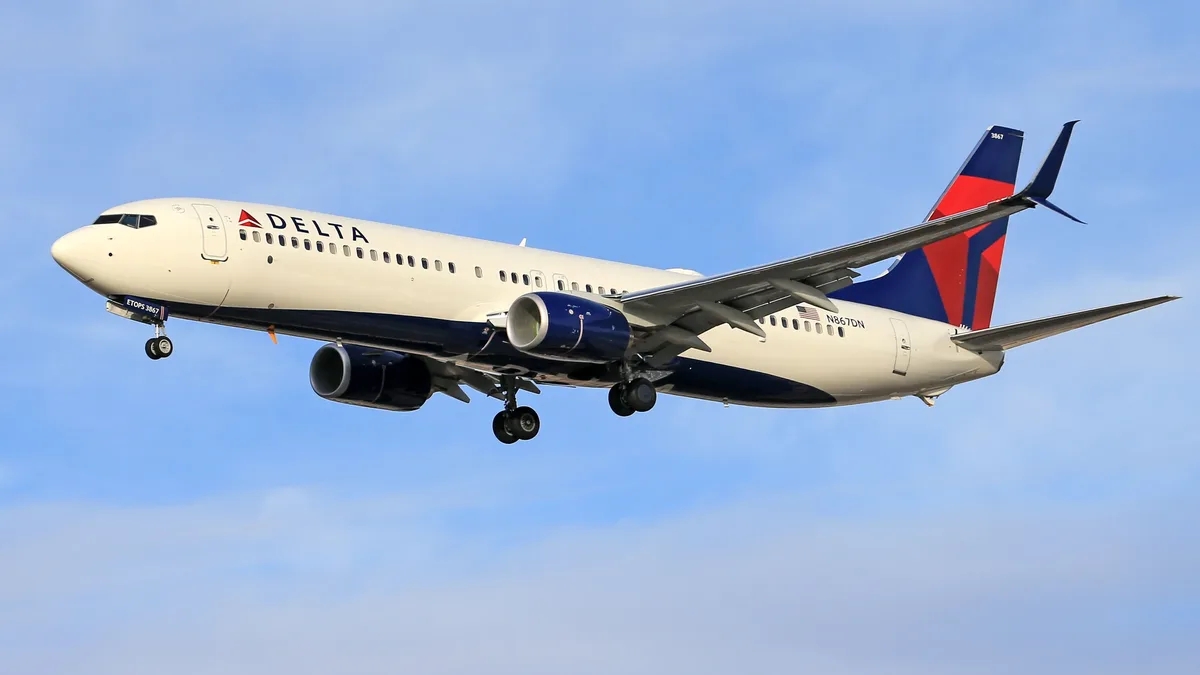
The Federal Trade Commission has launched a sweeping investigation into airline pricing and personal data use. The agency has ordered Delta Air Lines, United Airlines, and JetBlue Airways to provide detailed information within 45 days for a study examining whether personal data influences ticket prices.
Using its authority under Section 6(b) of the FTC Act, the commission is conducting a wide-ranging study without a specific law enforcement purpose. FTC Chairman Andrew Ferguson stated the agency intends to scrutinize opaque methodologies that may use web surfing habits or other personal data to estimate prices. The inquiry will examine loyalty-program participation and personal data. It is a study, not a finding that carriers charged individualized fares. The commission’s requests cover information that could show whether ticket prices differ among customers because of loyalty membership or analysis of personal information.
Industry response and reality of pricing
Major carriers including Delta, United and JetBlue state they do not use personalized pricing based on individual customer data. Delta says it doesn’t use named customer data to set airfares, though it aims to personalize prices. The airline industry asserts that actual personalized pricing as suggested by the FTC is not happening among major U.S. carriers. Airline pricing is complex but not personalized based on IP address or loyalty program participation. Industry experts note that artificial intelligence will help adjust fares in real time based on behavior, not identity.
Accusations of personalized pricing have increased on social media but often have logical explanations unrelated to personal data. Some observers express confusion about why only three U.S. carriers were selected for the investigation. Others note that airline profit margins are low and that investors, not consumers, are the ones most frequently harmed. Legal protections for travelers are limited under current federal law.
Broader scope of the inquiry
The investigation extends beyond airlines to include pricing and worker compensation for ridesharing and food delivery services. This reflects the FTC's wide-ranging authority under Section 6(b). Some commentators suggest investigating rideshare and food delivery driver compensation may be more worthwhile than focusing on airline pricing.
JetBlue fare structure changes
Amid the regulatory scrutiny, JetBlue is implementing significant changes to its own fare structure. The airline will introduce a new BlueFirst cabin and extend basic economy rules to EvenMore and BlueFirst. Base fares will restrict seat selection and charge change fees.
JetBlue is simplifying its fare tiers into three categories: Base, Standard, and Flex. This change affects point earnings and refund policies. The airline will launch its new BlueFirst first-class cabin by late 2026, offering recliners on most non-Mint aircraft. The airline also introduces basic fares across all cabins except Mint. Travelers will face restrictions like no seat selection and fewer points on base tickets.
The FTC's study will examine how personal data influences airline pricing, with results determining future regulatory action.