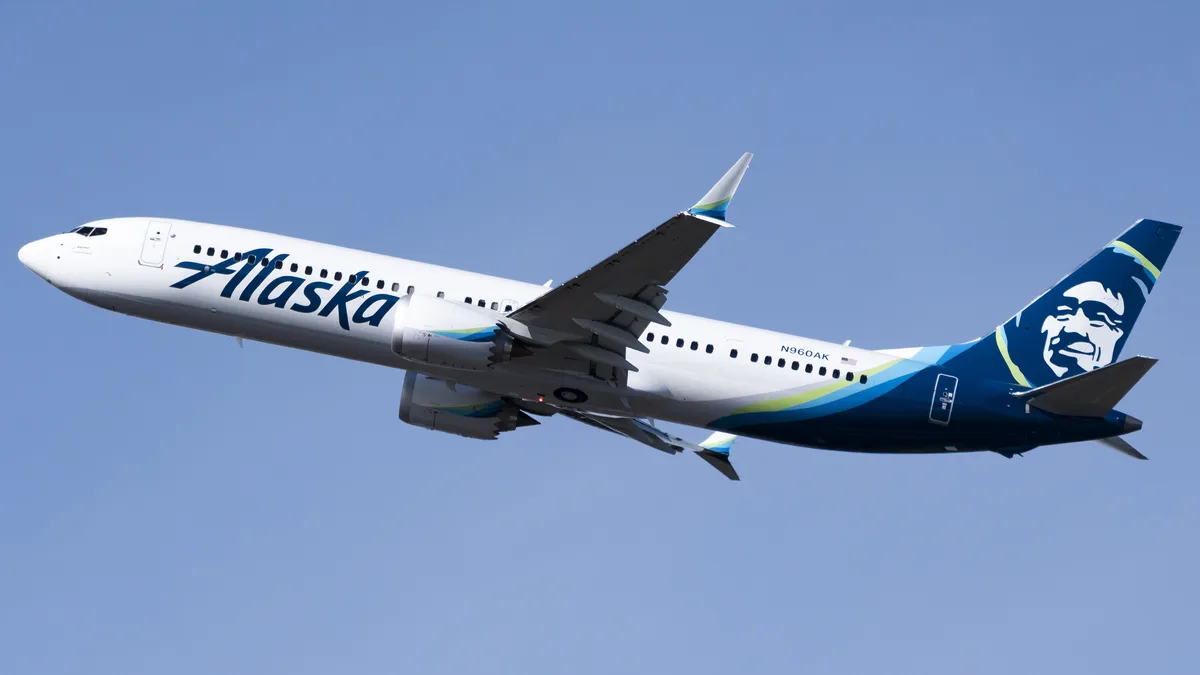
Boeing 737 Max 8
| Country of origin | United States |
|---|---|
| First created | 2010s (first flight 2016) |
| Original use | Commercial narrow-body airliner |
| Typical two-class seating | 162 to 178 passengers |
| Typical cabin layout | Single-aisle, 3-3 seating in economy |
| Typical range | 3,550 to 3,850 nautical miles |
| Winglets | Advanced split-scimitar type |
Origin and history
The Boeing 737 Max 8 is an American narrow-body airliner, originating from the United States. It is a direct development of the long-running Boeing 737 series, which first entered service in the late 1960s. The Max program, including the Max 8 variant, was officially launched by Boeing in the 2010s. Its development was a strategic response to compete with the new fuel-efficient Airbus A320neo family. The aircraft's design lineage is deeply rooted in Boeing's commercial aviation history in the Pacific Northwest. The "Max" designation signifies the incorporation of the latest generation engines and significant system updates.
What it is designed for
The Boeing 737 Max 8 is designed for short to medium-haul passenger routes operated by airlines worldwide. Its primary design goal is to offer substantially reduced fuel consumption and lower operating costs compared to previous 737 generations. The aircraft is engineered to carry approximately 160 to 210 passengers in a typical two-class cabin configuration. It is intended for high-frequency routes where efficiency and reliability are critical for airline profitability. The design also focuses on commonality with earlier 737 Next-Generation models to minimize pilot training transitions. This aircraft is built for dense routes, connecting major cities or operating from hub airports to smaller destinations.
Development and versions
The development of the 737 Max centered on the integration of larger, more efficient CFM International LEAP-1B engines. To accommodate these engines, the aircraft design required aerodynamic changes, including distinctive tailcone-mounted maneuvering characteristics augmentation system (MCAS) software. The Max family includes several versions, with the Max 8 being the first to enter service. Other variants include the higher-capacity Max 9, the shorter-fuselage Max 7, and the extended-range Max 10. Development faced intense scrutiny and a worldwide grounding in the late 2010s following two fatal crashes. Subsequent modifications and recertification processes led to extensive software updates and changes to flight control systems.
Pros and cons
A primary advantage of the Boeing 737 Max 8 is its significant improvement in fuel efficiency, which translates directly to lower operating costs for airlines. The cabin often features modern, larger overhead bins and updated lighting compared to older 737 models. A major con was the flawed implementation of the MCAS system, which played a central role in two accidents and led to a prolonged global grounding. Airlines and passengers have reported that the aircraft can be notably quieter inside the cabin than its predecessors. Common criticisms from pilots and operators included initial concerns about the transparency and documentation of new automated flight control systems. The aircraft's reputation suffered severe damage, requiring a lengthy and costly recovery of passenger confidence and regulatory trust.
Who it suits
The Boeing 737 Max 8 suits airlines that operate dense, point-to-point routes and have an existing fleet of earlier 737 models, leveraging pilot commonality. It is a fit for cost-conscious carriers for whom the promised fuel savings outweigh the initial investment and past reputational challenges. The aircraft suits routes where passenger demand is high but not sufficient to justify a wide-body aircraft, making it a workhorse for many major network and low-cost airlines. It is less suited to airlines seeking a completely clean-sheet design without historical baggage or those whose route structures require longer ranges better served by other aircraft types. Passengers who prioritize a quiet cabin and newer interior fixtures may find it suits them, while those still apprehensive about its history may actively seek to avoid it. Ultimately, it suits an operator focused on economic efficiency who is confident in the extensive modifications and updated training protocols now in place.
Latest Boeing 737 Max 8 news
Latest reporting
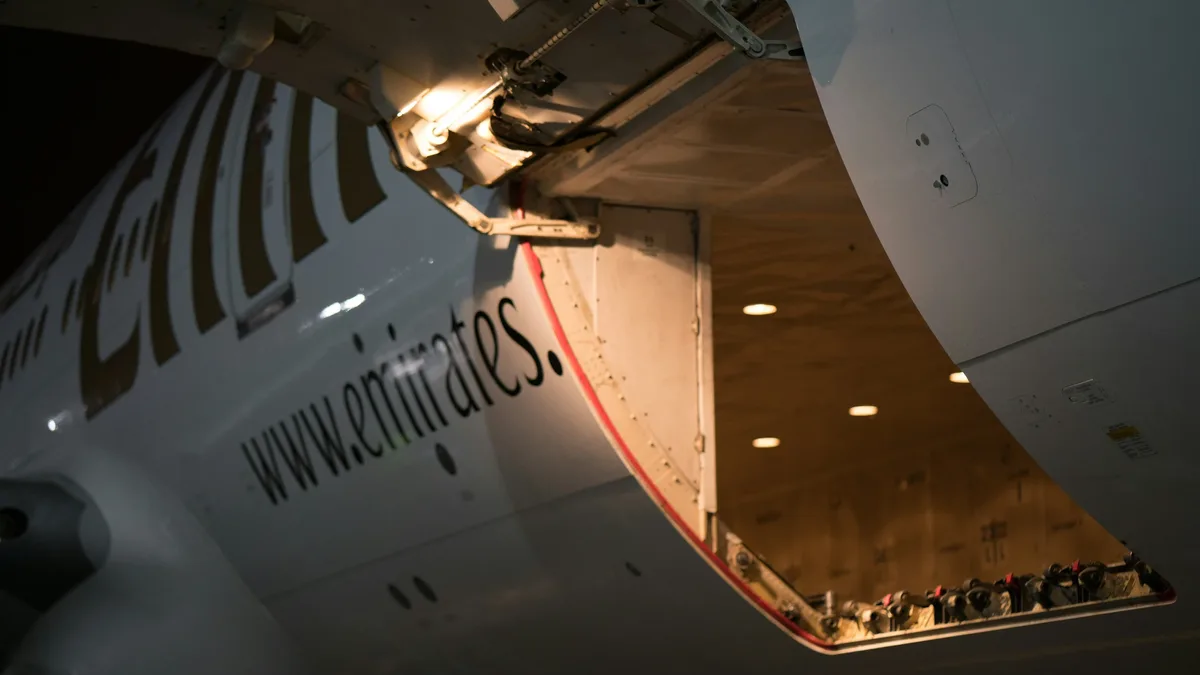
Emirates' 777 fleet and 777X backlog shape cargo and passenger future
Emirates operates the world's largest Boeing 777 fleet with 142 jets, including 117 777-300ERs and 18 777F freighters.

Atlas Air paints Boeing 747 freighters with mustaches for Movember
Atlas Air has decorated three of its Boeing 747 cargo jets with mustache nose art for the Movember campaign, turning them into flying billboards to...

American Airlines pilot quits $300,000 job over scheduling
A senior Boeing 787 captain left American Airlines, citing poor work-life balance from overnight flights and fleet assignment disputes.
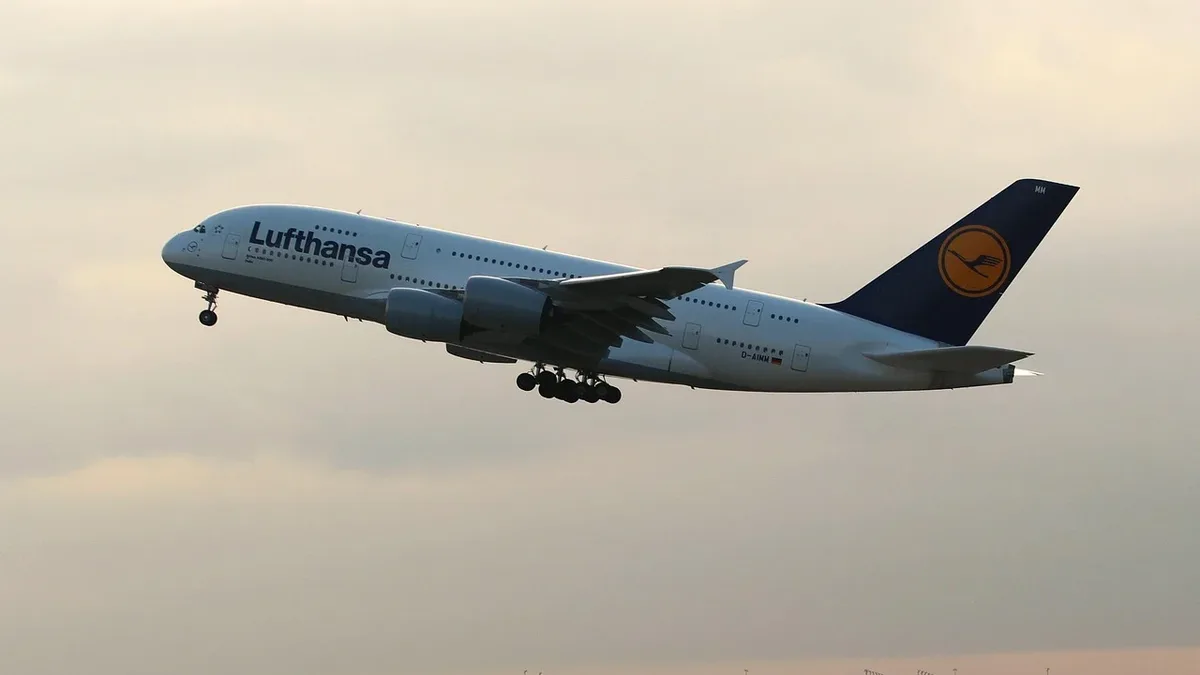
Lufthansa launches first nonstop European service from Columbus
Lufthansa will begin nonstop flights from Columbus, Ohio, to Frankfurt on May 5, 2027. The three-weekly service will be operated with a Boeing 787-9...
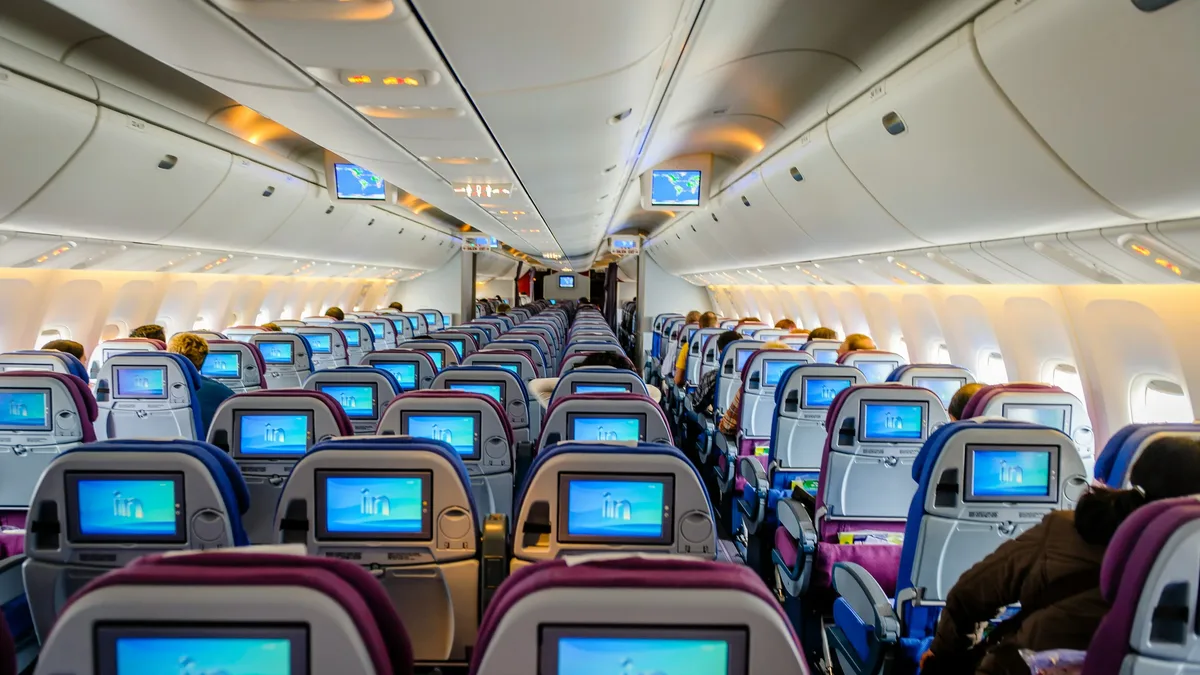
Alaska Airlines seatback screens limited to premium cabins
Alaska Airlines will install inflight entertainment screens only in its Aurora business class and Premium Reserve premium economy cabins on incoming...
Amazon cargo jet overruns Miami runway
An Amazon Prime Air Boeing 767 freighter overran the runway at Miami International Airport last month after landing excessively fast and high.