Amazon cargo jet overruns Miami runway
An Amazon Prime Air Boeing 767 freighter overran the runway at Miami International Airport last month after landing excessively fast and high.
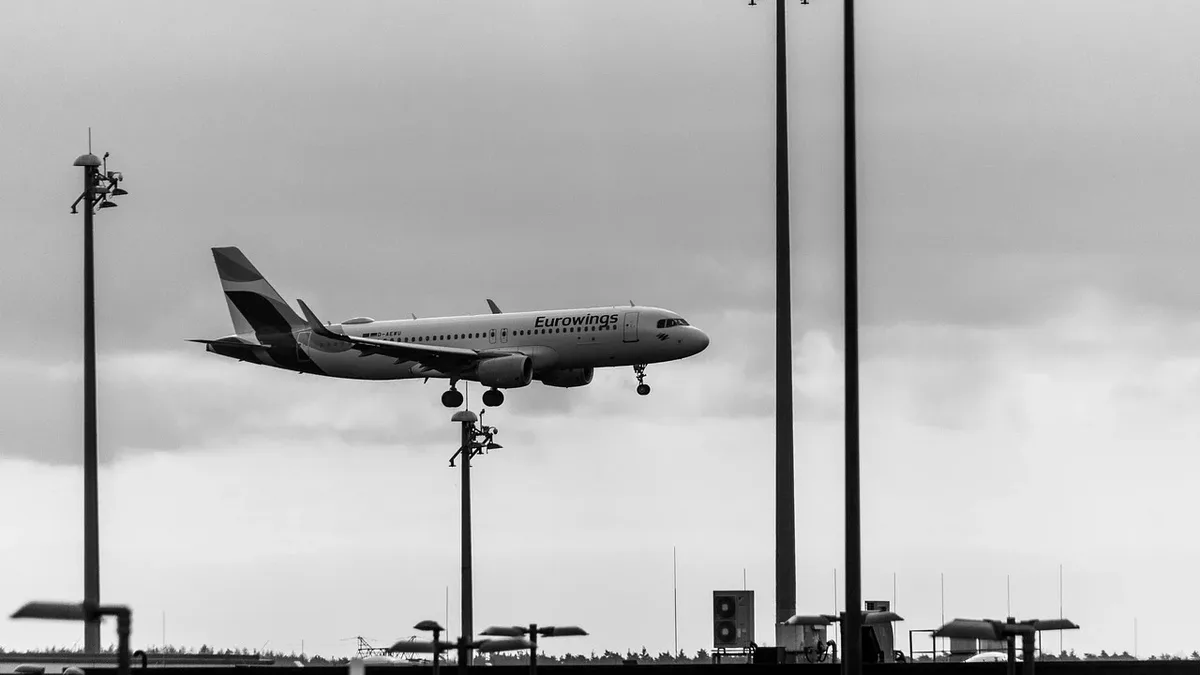
An Amazon Prime Air Boeing 767 freighter overran the runway at Miami International Airport last month, striking ground vehicles and killing five people. Flight 7598, operated by 21 Air for Amazon, touched down thousands of feet into Runway 30 and was still traveling over 110 knots when it reached the pavement's end.
The aircraft crossed the end of the pavement at approximately 113 knots. It struck localizer and approach-lighting equipment before continuing beyond the airport perimeter. The plane slammed into a van carrying workers from a plane cleaning company and an SUV. It finally stopped about 1,200 feet from the paved surface, with a last recorded ground speed of around 75 mph after crashing through a perimeter fence.
Approach and landing anomalies
The aircraft's approach was significantly unstable. When Flight 7598 crossed Runway 30’s displaced threshold, the 767 was about 105 feet above ground level and traveling at a ground speed of 177 knots. A conventional landing profile would normally put an aircraft at roughly 50 feet over the threshold, and a Boeing 767-300’s Flaps 30 approach speed would typically be around 135-150 knots indicated.
Cockpit voice recordings showed the crew repeatedly discussed excessive speed. One pilot cautioned that the aircraft was too fast. The crew did not call for Flaps 30 until around 41 seconds before the recording ended. The approach was punctuated by automated 'sink rate' and repeated 'too low terrain' alerts.
Braking and go-around attempt
The crew's attempt to stop the aircraft was hampered by a late and aborted go-around. The flight data recorder indicated wheel braking began at 146 knots. The NTSB found no recorded indication that the speed brakes deployed or that either engine's thrust reverser was used.
A pilot called for a go-around at approximately 120 knots. At that point, the brakes were released and both throttles advanced to go-around thrust settings with about 930 feet of runway remaining. Around four seconds later, the aircraft was still traveling at 117 knots with only 415 feet of runway left. The throttles were then returned to idle and braking resumed, but it was too late.
| Event | Speed | Runway Remaining |
|---|---|---|
| Go-around initiated | ~120 knots | ~930 feet |
| Throttles returned to idle, braking resumed | 117 knots | 415 feet |
| Crossed end of pavement | 113 knots | 0 feet |
Casualties and contributing factors
The overrun resulted in five fatalities among the seven employees of the cleaning company in the van. Five other people were hurt, including the driver of the SUV. Three people on the ground were seriously injured. Both pilots escaped with minor injuries.
Weather and air traffic control actions are under review as potential factors. Weather sensors showed winds at 17 knots with gusts at about 30 mph around the time of landing as thunderstorms reached the area. An air traffic controller failed to tell the pilots about the potential for strong tail winds despite regulations requiring it. Just four minutes before clearing the plane for landing, the controller had provided a wind advisory to a different flight. Experts said the weather played at least some role in the accident.
Runway 12/30 at MIA is physically 9,360 feet long but has a displaced threshold, providing a declared landing distance available of only 7,913 feet. The NTSB investigation continues, with the final report expected to determine the probable cause of the accident.