Ryanair warns of steepest European airfare surge in history
Ryanair CEO Michael O’Leary warns European airfares could rise up to 20% in 2027, driven by expiring fuel hedges, rising taxes, and reduced airline capacity.
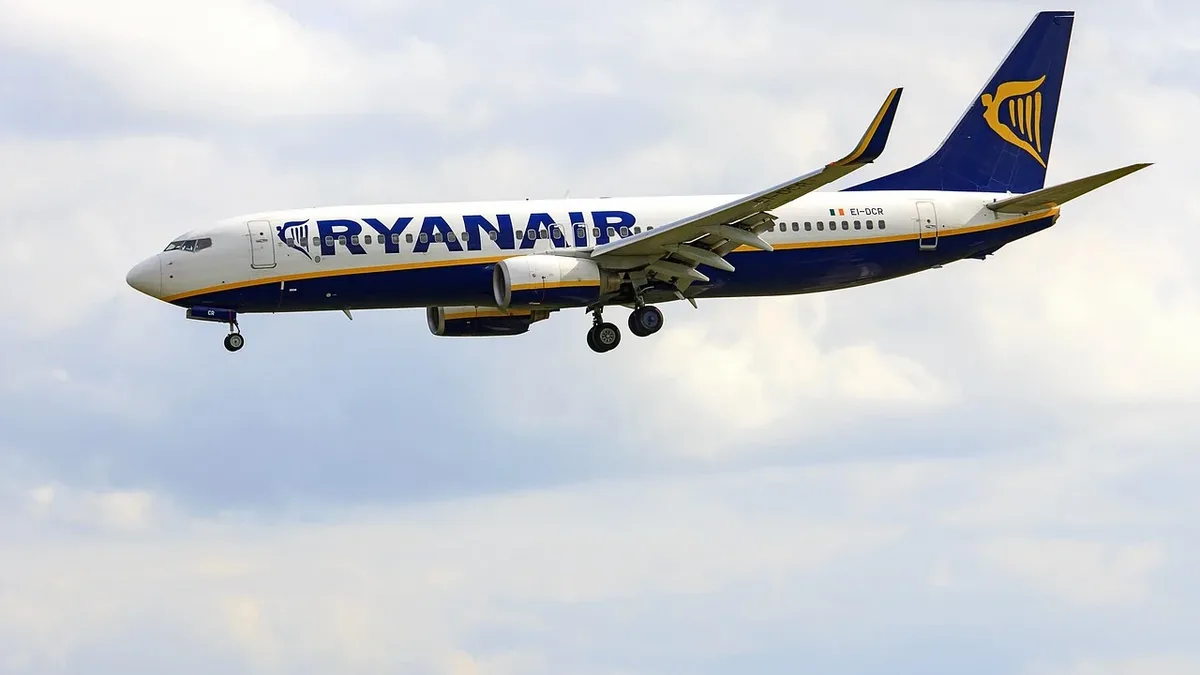
Ryanair chief executive Michael O’Leary has warned of the steepest fare jump in Europe’s aviation history. He stated European fares would rise by 10% to 20% over the next year, with passengers facing the biggest increase in airfares in European history over the next 12 months. The expected surge is attributed to expiring fuel hedges, rising oil prices linked to Middle East conflict, and increasing national aviation taxes.
O’Leary cited higher fuel costs and fewer airline seats due to bankruptcies and consolidation as reasons. Ryanair warned in September that airfares could rise sharply in 2027 if oil prices remained elevated. High jet fuel prices could cause airfares to rise by up to 20% if prices remain twice as high as before the U.S. war against Iran.
Fuel cost pressures and hedging challenges
Ryanair's fuel protection expires in March 2027. The airline's hedging coverage drops sharply after that date, leaving most of its costs exposed to volatile oil prices.
| Hedging Period | Coverage Level | Price per Barrel |
|---|---|---|
| Through March 2027 | 80% | $67 |
| From April 2027 | 15% | $85 |
O’Leary said the current spot price is roughly double the $85 hedged price. Fuel costs could potentially double in 2027. Ryanair is 85% unhedged for next year’s fuel costs. Most European carriers have little or no fuel hedging in place for 2027, with Ryanair's competitors also largely unhedged. Hedging contracts have locked in fuel prices for much of airlines' consumption so far, helping carriers avoid sharp ticket price increases. Jet fuel prices have risen since the conflict between Iran and Israel began in late February.
Tax and regulatory pressures
National aviation taxes in Belgium and France, along with EU carbon costs, add significant pressure on fares. The Belgian federal government increased its aviation tax from €2 to €7 per departing passenger, effective January 2027. Charleroi Airport added a municipal charge of €3 per departing passenger since April 2026.
France saw a 180% increase in its national solidarity tax on air tickets, rising from €2.63 to €7.40 in March 2025. O’Leary described Belgium and France as uncompetitive markets and Germany as particularly challenging. Ryanair would open 100 new routes and create 1,000 jobs in Belgium if the tax were scrapped.
On regulatory costs, Ryanair will pay €1.5 billion in EU Emissions Trading System (ETS) compliance costs in 2026. O'Leary argued the ETS should be extended to cover long-haul services operated by European rivals like Lufthansa and Air France-KLM. The European Commission has proposed extending carbon pricing to flights departing the EU for destinations within 5,000 kilometers of Frankfurt Airport, starting in 2029.
Industry response and capacity cuts
Airlines are reducing flights across Europe to manage rising costs. EasyJet and Wizz Air are decreasing flight schedules due to high fuel costs. O'Leary stated that dramatically less capacity will be available in winter and into the summer of 2027.
Ryanair is implementing significant cuts. The airline will cut 20 routes and more than 1.1 million seats from its Belgian winter schedule. Brussels South Charleroi Airport will lose 13 routes and 200 jobs, with Ryanair's fleet there shrinking to 13 aircraft. At Brussels Airport, only the Dublin route remains; seven routes to Barcelona, Madrid, Málaga, Marrakech, Porto, Rome, and Valencia are being cut. Belgium will lose one million seats in winter 2025, with a potential additional loss of one million seats in summer 2027 if the tax remains.
In France, Ryanair cut regional capacity by 13% and withdrew from Strasbourg, Bergerac, and Brive, removing 25 routes and 750,000 seats. Despite these cuts, Ryanair announced 29 new summer 2027 routes, including a Budapest connection to the UK. O’Leary cautioned that a 20% fare increase may not fully protect airline margins and could accelerate industry consolidation.
Michael O’Leary said: "I would not book a ticket simply because an airline CEO says prices are going up, but the reasons behind this warning deserve attention." The planned reduction of one million seats from Belgian winter schedules and 20 route cuts will reshape regional connectivity in 2027.