Piedmont Airlines
| Parent airline | American Airlines |
|---|---|
| Country of origin | United States |
| First created | 1961 |
| Original use | Regional air service |
| Aircraft operated | Bombardier CRJ series, Embraer E-Jet series |
| Cabin product | Single-class economy |
| Typical route length | Short to medium-haul |
Origin and history
Piedmont Airlines originates from the United States, specifically the Piedmont Triad region of North Carolina. Its founding traces back to the late 1940s as a small, intrastate air carrier. The airline initially operated with a single aircraft, providing essential air service to communities in its home state. Over the subsequent decades, it grew into a significant regional carrier with a notable route network across the eastern United States. The airline underwent a major change in ownership and integration into a larger airline system beginning in the late 1980s. Today, it operates as a wholly-owned subsidiary, functioning as a regional carrier for a major network airline.
What it is for
Piedmont Airlines exists to operate regional flights on behalf of its mainline partner, American Airlines. Its primary function is to feed passenger traffic from smaller cities into American's major hub airports. The airline's route network is concentrated along the East Coast of the United States, connecting communities to hubs like Philadelphia and Charlotte. The aircraft and crew are branded and presented as American Eagle flights, providing a seamless customer experience under the American Airlines name. Piedmont's operations are essential for maintaining comprehensive network coverage that includes markets which cannot support larger mainline aircraft. The carrier specializes in operating shorter-haul routes with smaller, turboprop aircraft suited for regional travel demands.
Pros and cons
A primary advantage of flying on Piedmont Airlines is access to a vast network of connecting flights through its integration with American Airlines. The service provides a consistent, branded experience from check-in to baggage claim under the American Eagle banner. However, the cabin product is fundamentally that of a regional carrier, which means the aircraft are smaller and offer fewer amenities than mainline jets. The most common aircraft in its fleet are turboprops, which some travelers find noisier and less stable in turbulence compared to regional jets. A common mistake is for passengers to expect the same seat pitch, overhead bin space, or in-flight service options found on larger American Airlines flights, which can lead to disappointment. This service suits those prioritizing route convenience and frequent flyer benefits over cabin comfort, but travelers who are claustrophobic, require significant carry-on space, or strongly prefer jet aircraft often regret the choice.
Who it suits
This airline suits passengers whose travel originates or terminates in smaller regional markets where Piedmont provides the only direct air service to a major hub. It is appropriate for travelers who are members of the American Airlines AAdvantage program and wish to earn miles and loyalty credits on these regional routes. The service is a practical choice for short-duration flights where cabin amenities are less of a priority than schedule and connection efficiency. It suits business travelers needing to reach specific smaller cities directly connected to the American Airlines network. Budget-conscious leisure travelers who book based on final destination price and schedule may also find it suitable, provided they understand the cabin limitations. It is less suited for travelers with significant anxieties about flying on smaller propeller aircraft or those requiring ample personal space during a flight.
Latest Piedmont Airlines news
Latest reporting
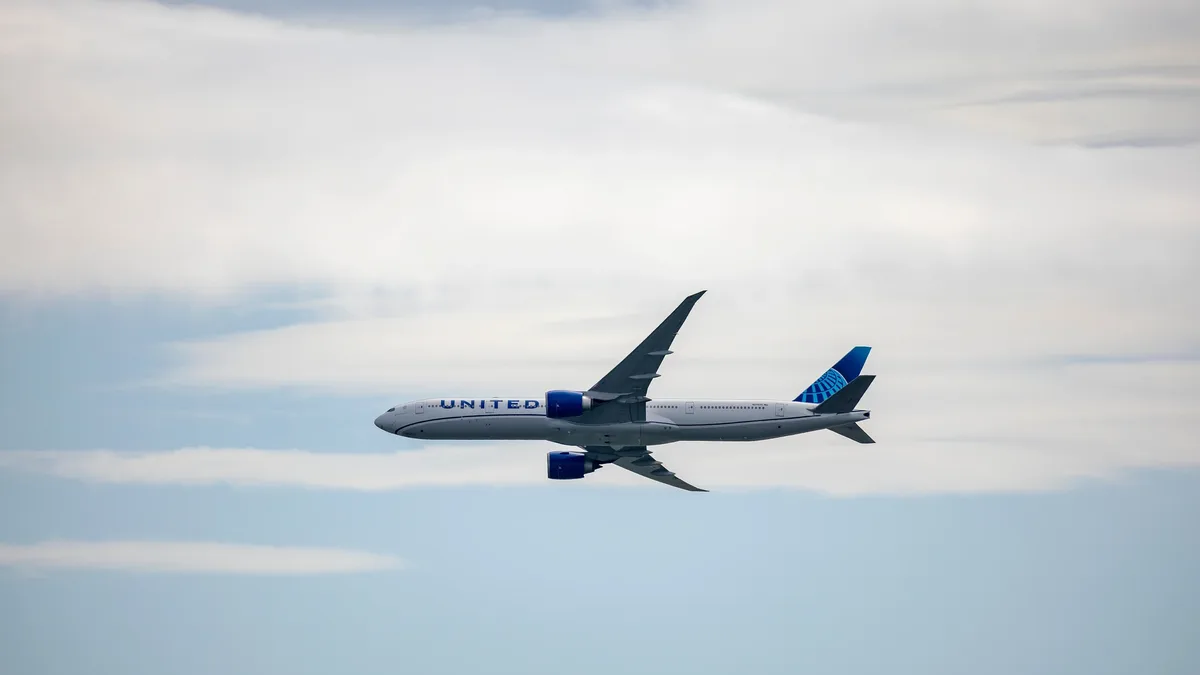
United CEO Kirby Pushes American Merger Amid Regulatory Opposition
United Airlines CEO Scott Kirby is advocating for a merger with American Airlines to create a dominant U.S. carrier.

American Airlines reopens Flagship Dining at LAX
American Airlines reopens its exclusive Flagship Dining room at Los Angeles International Airport next week, expanding access to business class...

American Airlines Targets 18 Million Lounge Visits by 2026
American Airlines is accelerating lounge expansion, planning nearly one new or renovated lounge per month as visits surge 80% from 2016 levels...
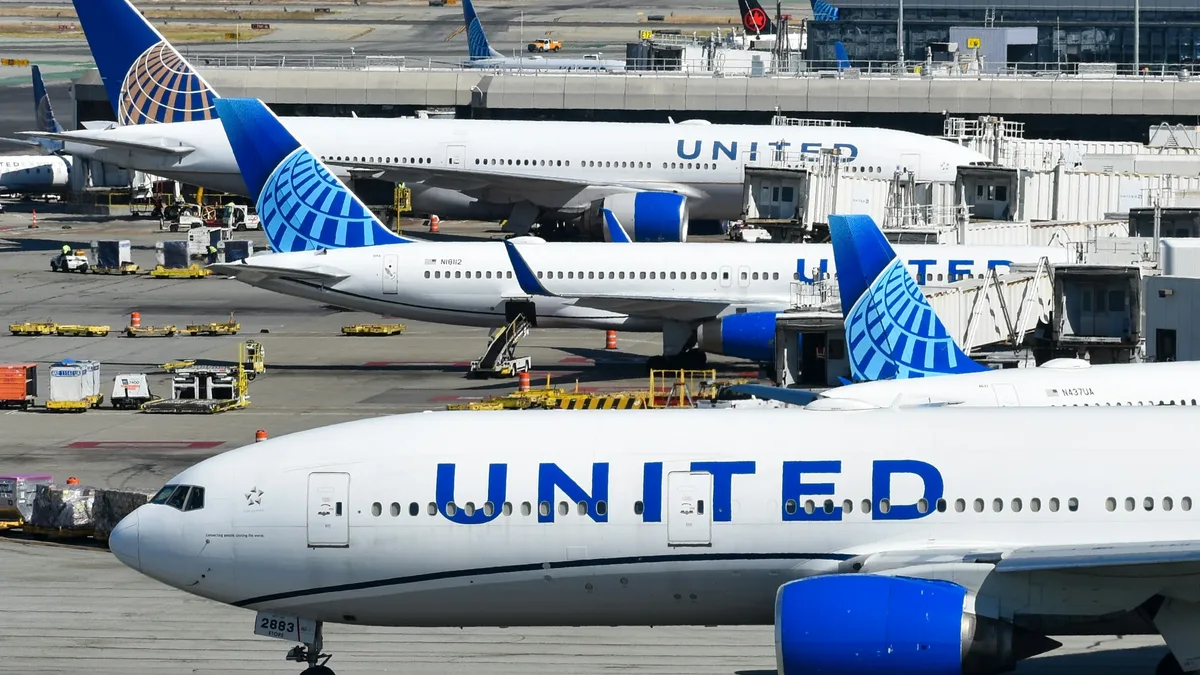
United Airlines prioritizes higher fares over full planes
United Airlines is accepting lower load factors as it raises ticket prices to fully recover soaring fuel costs, shifting its focus from occupancy...
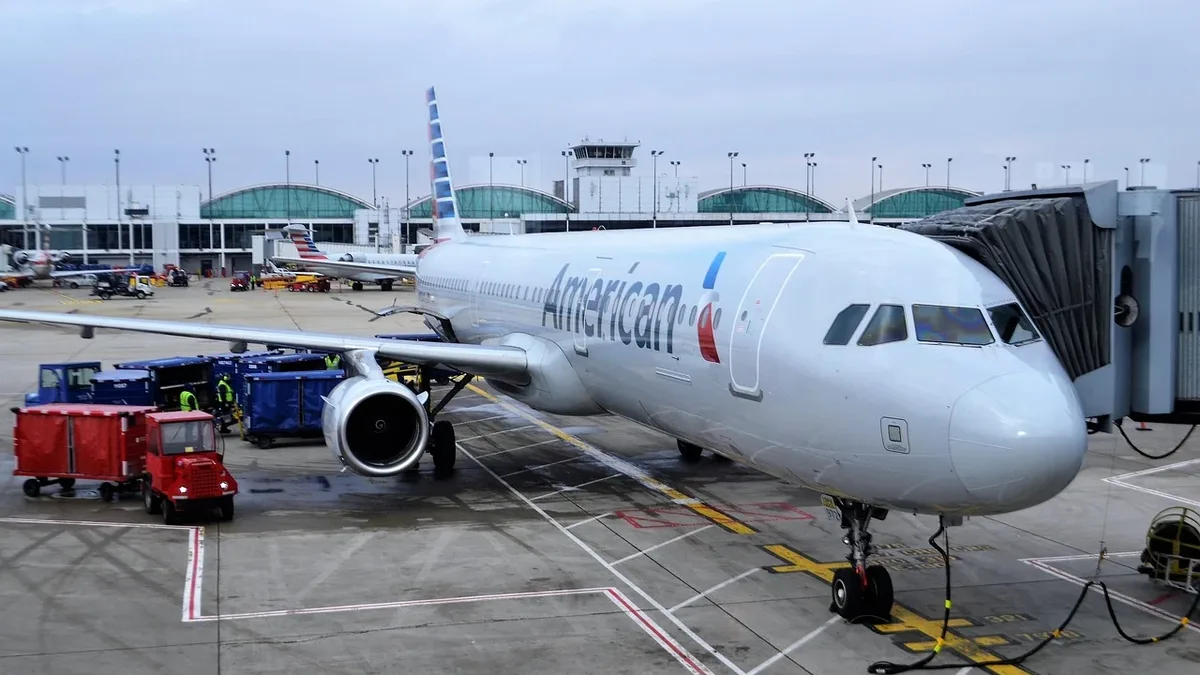
American Airlines sells last-minute first class upgrades for cash
American Airlines is generating revenue by selling first-class upgrades to coach passengers minutes before boarding, often ahead of elite flyers...

Airline Credit Card Bonuses and Perks Reshape Rewards Value
Major airlines and banks have significantly increased welcome bonuses across co-branded credit card portfolios.