Association Of Professional Flight Attendants
| Union | Association of Professional Flight Attendants |
|---|---|
| Carrier represented | American Airlines |
| Cabin product represented | Flight attendants |
| Original use | Representing the cabin crew workforce of American Airlines |
| First created | 1977 |
Origin and history
The Association of Professional Flight Attendants (APFA) is a labor union originating in the United States. It was formed in the 1970s, a decade marked by significant labor organization within the airline industry following the passage of the Railway Labor Act amendments. The union was established specifically to represent the flight attendants of American Airlines, one of the world's largest carriers. Its creation was a direct response to the need for a collective voice to address workplace issues, pay, and working conditions unique to cabin crew. The founding era saw flight attendants advocating for the end of discriminatory practices, such as mandatory retirement upon marriage or reaching a certain age. The APFA's history is intertwined with the evolution of the flight attendant profession from a perceived temporary role to a recognized, skilled career.
What it is for
The Association of Professional Flight Attendants exists to collectively bargain the terms and conditions of employment for American Airlines flight attendants. Its primary function is to negotiate a legally binding contract, known as the collective bargaining agreement, which governs pay scales, work rules, benefits, and job security. The union represents its members in grievance procedures against the company, providing legal and procedural support in disputes over contract interpretation or disciplinary actions. It engages in political and legislative advocacy on issues affecting aviation workers, such as safety regulations, health standards, and labor rights. The APFA also provides member services, which can include access to credit unions, insurance programs, and other forms of support. Its core purpose is to wield collective power to improve and protect the professional and economic standing of the flight attendants it represents.
Pros and cons
A primary pro of the APFA is its ability to secure higher compensation, better healthcare benefits, and more robust retirement plans through collective bargaining than individuals could obtain alone. The union provides crucial protection against arbitrary discipline or termination, ensuring due process through a detailed grievance procedure. It also advocates for improved working conditions, such as more reasonable duty rigs and rest periods, which directly impact crew well-being and safety. A significant con is that union dues are a mandatory financial cost for members, which some may resent, particularly during periods without active contract negotiations or visible gains. The collective bargaining process can be slow and contentious, sometimes leading to protracted negotiations, work-to-rule actions, or strike authorizations that create uncertainty and tension for both crew and passengers. Some flight attendants may feel the union's one-size-fits-all approach in the contract does not address the specific needs of all seniority levels or bases, leading to internal dissent.
Who it suits
The APFA suits flight attendants who prioritize collective action and believe in solidarity as the most effective means to advance their profession and economic interests. It is well-suited for those who value having structured, formal representation and legal support when facing potential disciplinary action from the company. Career flight attendants planning to spend decades at American Airlines particularly benefit from the union's focus on long-term pay progression, pension protections, and seniority rights. It also suits individuals who are willing to engage in the democratic processes of the union, such as voting on contracts and leadership, to shape their workplace. The union model is less suited for those who are intensely individualistic, oppose mandatory union membership or dues, or who believe they could negotiate superior personal terms outside of the collective framework. Ultimately, it is the representative body for all American Airlines flight attendants under its coverage, regardless of personal stance, functioning as their exclusive bargaining agent.
Latest Association Of Professional Flight Attendants news
Latest reporting
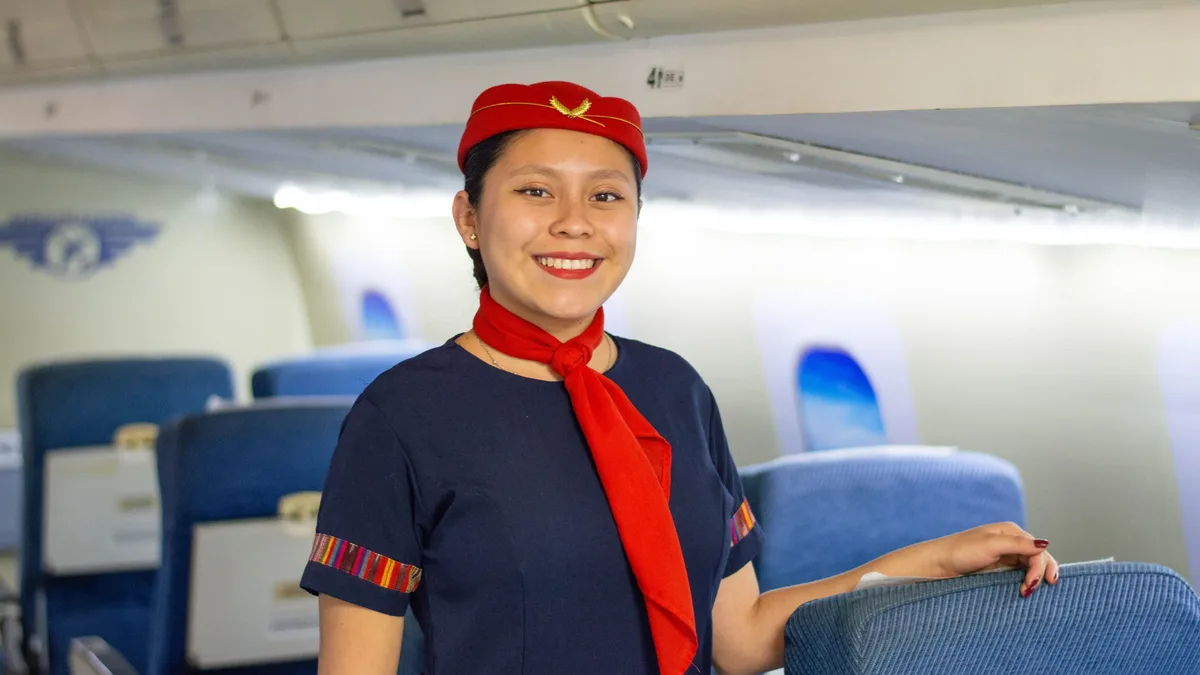
Carol Fair retires as American Airlines' most senior flight attendant
Carol Fair, 83, concludes a 63.5-year flight attendant career as American Airlines' most senior active crewmember.
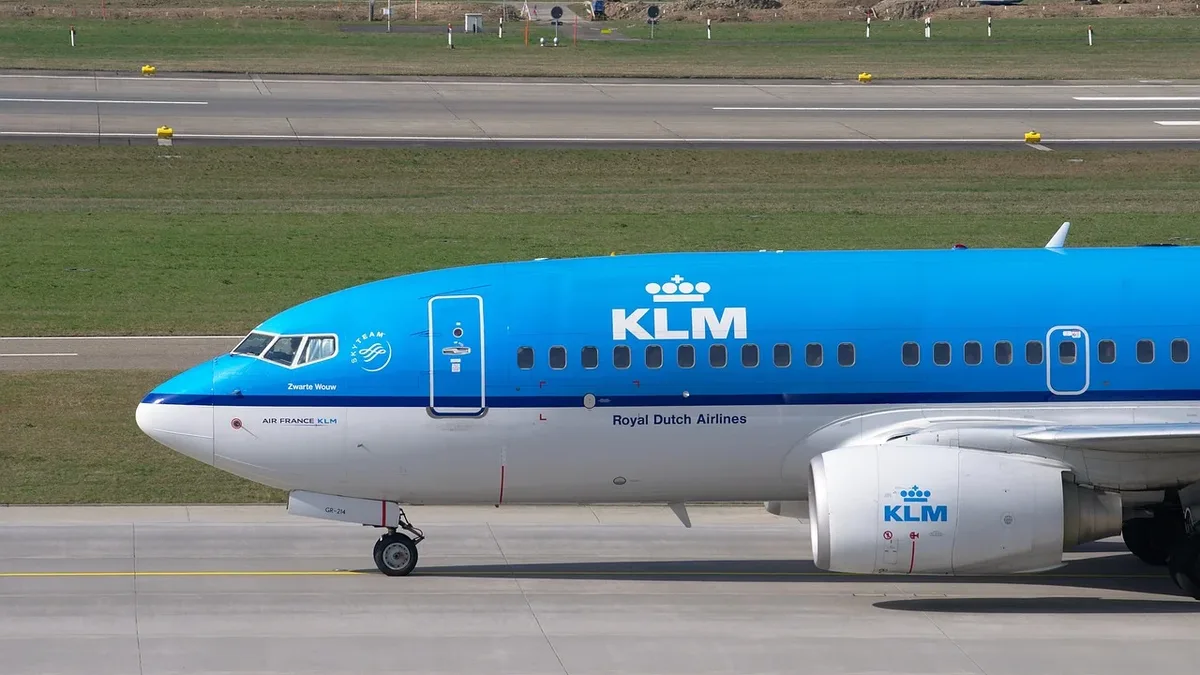
FAA fines Air France and KLM for violating Iraq altitude restriction
The US Department of Transportation has fined Air France and KLM a combined $425,000 for operating more than 130 Delta Air Lines codeshare flights...
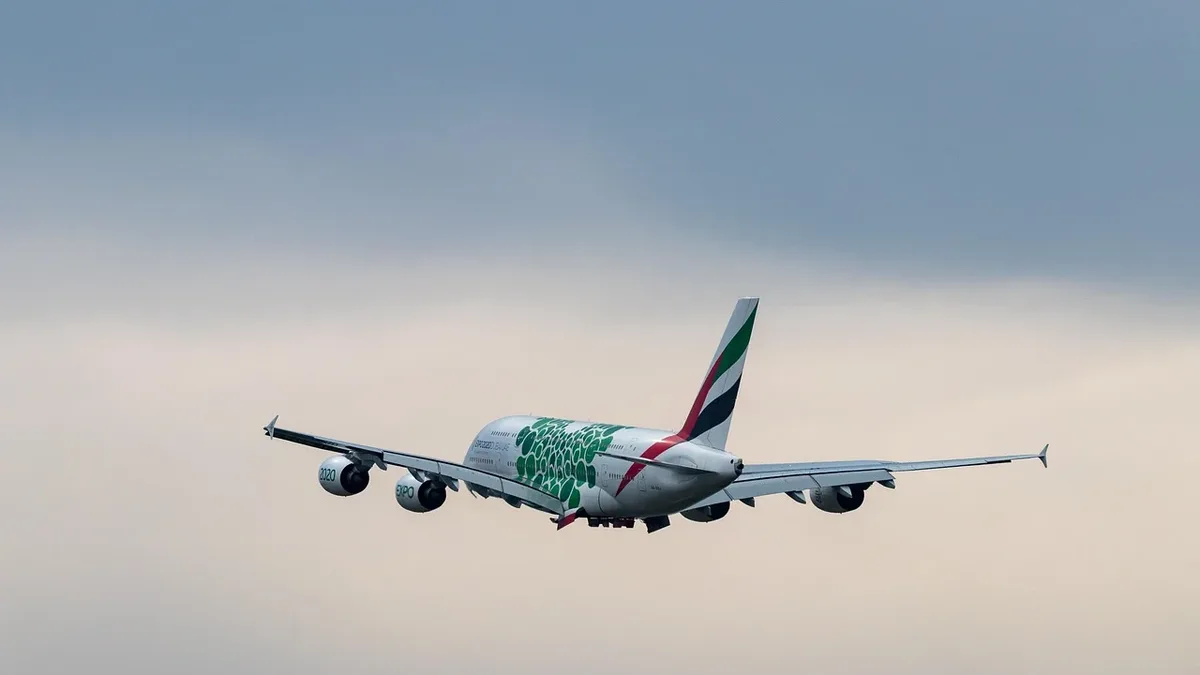
Air India A350 Business Class Delivers on Short Delhi-Mumbai Hop
A recent Air India A350-900 business class flight from Delhi to Mumbai offered a full suite experience on a 2h25m journey.
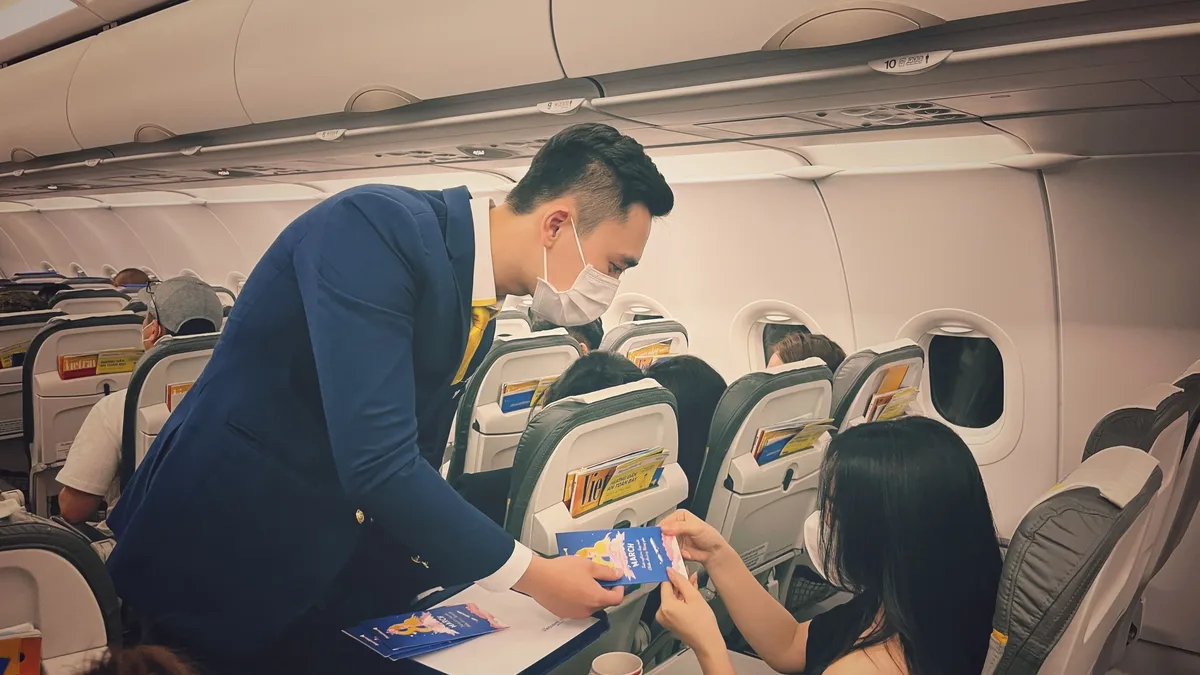
American Airlines Makes Credit Card Training Mandatory For Flight Attendants
American Airlines has mandated credit card sales training for all flight attendants, with disciplinary action possible for non-completion.
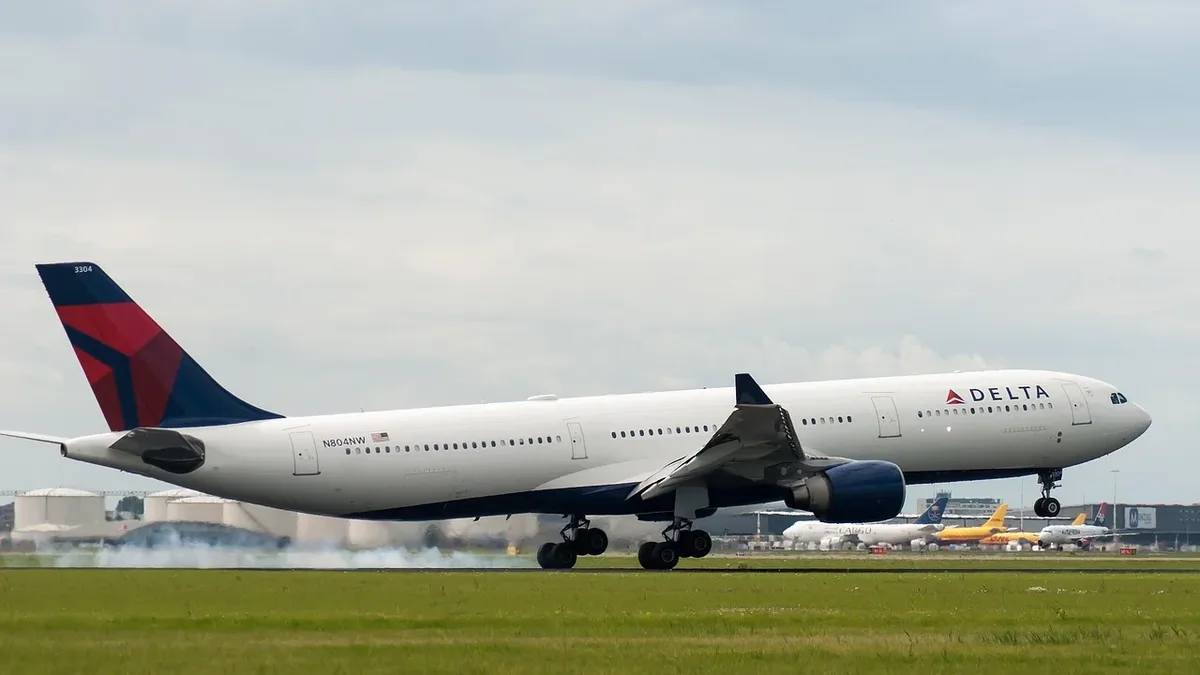
Delta Connection flight lands after captain reports attendant conflict
A Delta Connection flight landed safely at Detroit after its captain requested a ground supervisor to meet the aircraft and separate two flight...
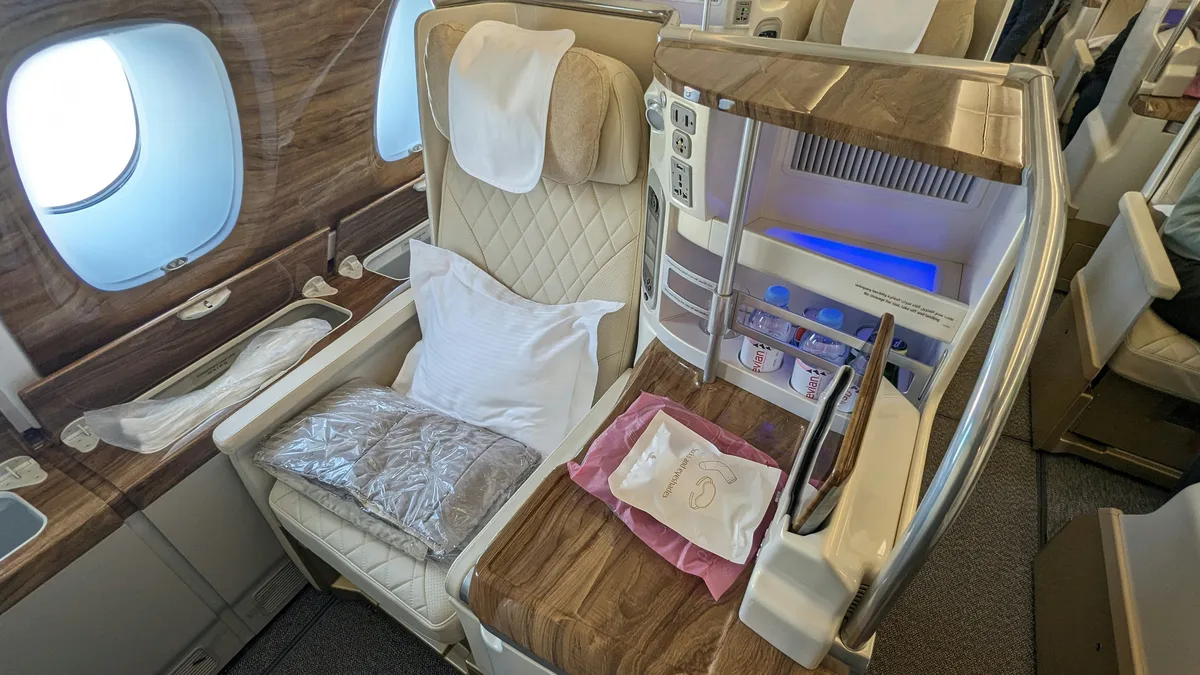
JetBlue Launches Domestic First Class with BlueFirst
JetBlue has launched sales for its new BlueFirst domestic first-class cabin, featuring recliner seats. The first flight is scheduled for December 8...