American Airlines Mandates Zero Involuntary Denied Boardings
American Airlines has made eliminating involuntary denied boardings a company-wide requirement, effective September 30, 2026.
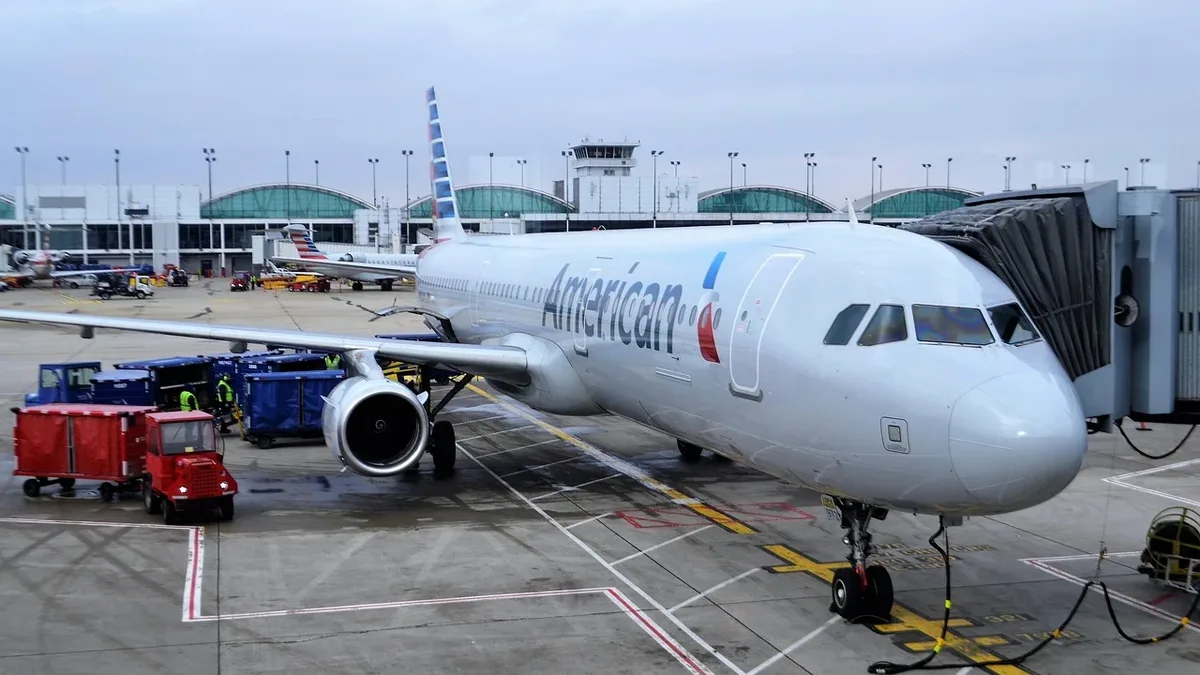
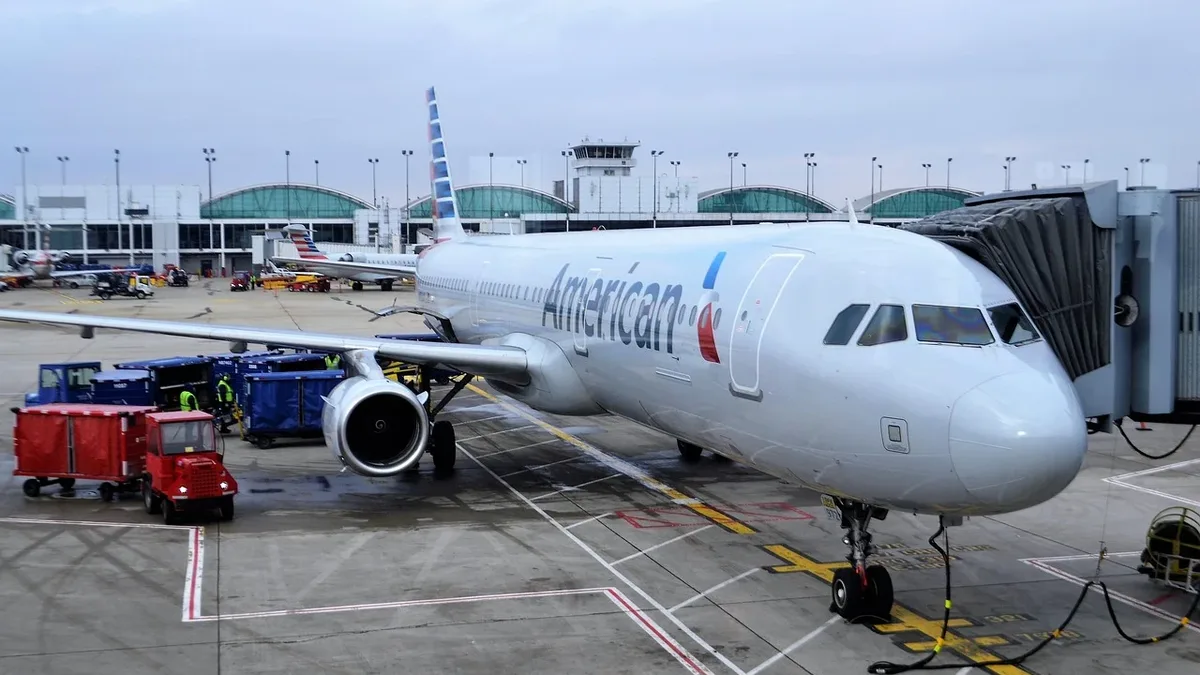
American Airlines has introduced a company requirement that no passengers are involuntarily denied boarding, effective September 30, 2026. The policy, now a mandate across all mainline and regional operations, shifts authority to airport managers to resolve oversales through voluntary means.
Airport leadership at the CSM level or above must be present for any oversold flight. The central instruction is clear: avoiding involuntary bumps is a requirement, not a goal. Employees must keep all aircraft doors open while any potential involuntary denied boarding is outstanding. The final call to close doors will not be made until enough passengers have voluntarily given up their seats, even if this causes a delay.
Gate authority to secure volunteers
Station leadership now determines whether to offer compensation above normal limits to secure volunteers. The Day of Departure desk no longer authorizes or denies these increases. Managers are expected to become directly involved in finding enough volunteers. The directive applies even when solving the problem requires a late departure.
Compensation and voluntary conditions
All required volunteers must agree to the voluntary conditions before door closure. Gate staff must explain the compensation amount and present a confirmed seat on the very next flight. If that flight shows no availability, staff can still confirm a volunteer on it or call for booking support. Employees must record the solicitation start time, each compensation increase, and escalation details.
Industry context and carrier comparisons
American's involuntary bump rate has historically led major U.S. Carriers. Its second-quarter network figures showed 1,953 involuntary bumps, which was down 54% from 4,257 during the same period a year earlier. Over the last six months through June, American's record stood at 5,247 bumps.
Comparable figures for other major U.S. Carriers over a recent six-month period show a stark contrast:
| Carrier | Involuntary Bumps |
|---|---|
| American Airlines | 5,247 |
| Frontier Airlines | 2,475 |
| Spirit Airlines | 670 |
| Alaska Airlines | Under 300 |
| Southwest Airlines | Under 300 |
| JetBlue Airways | Under 300 |
| United Airlines | Under 300 |
| Delta Air Lines | Under 300 |
| Allegiant Air | Under 300 |
American has previously offered high amounts in individual cases, including a reported $4,000 voucher on a Philadelphia-to-Athens flight. In July, an opening offer at a Philadelphia-Washington National gate was $1,125.
Customer service gaps and employee enablement
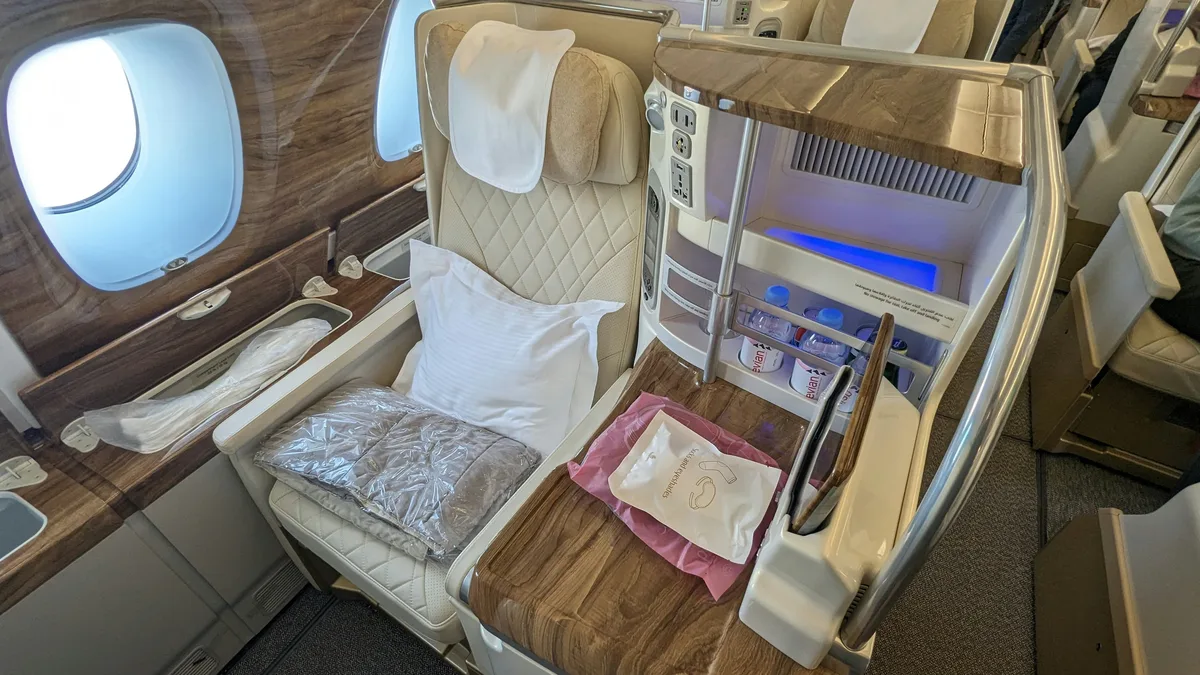
The policy is framed as addressing broader service failures. The airline noted that employees need practical ways to offer remedies when the airline falls short of delivering the product paid for. An example cited was a business class flight where a seat's power outlet, footrest, and entertainment system were broken, but the flight attendant had no authority to offer compensation. American has to support the decisions it is asking its employees to make. Giving staff a way to offer a remedy, such as a travel credit, would demonstrate recognition of a problem. If followed through, this could be a model for handling other onboard service failures.
Airport teams are instructed to begin announcements early, using new language that transparently explains why fewer seats are available, such as an aircraft swap. If individual outreach will help, they must work a priority list before door closure. American Airlines airport teams will continue to work oversales until every affected customer voluntarily accepts an offer and confirms travel on the next departure.