Nat Pieper’s outsider leadership sparks
The author, a long-time American Airlines critic, expresses cautious optimism about Nat Pieper’s impact as Chief Commercial Officer, noting his external
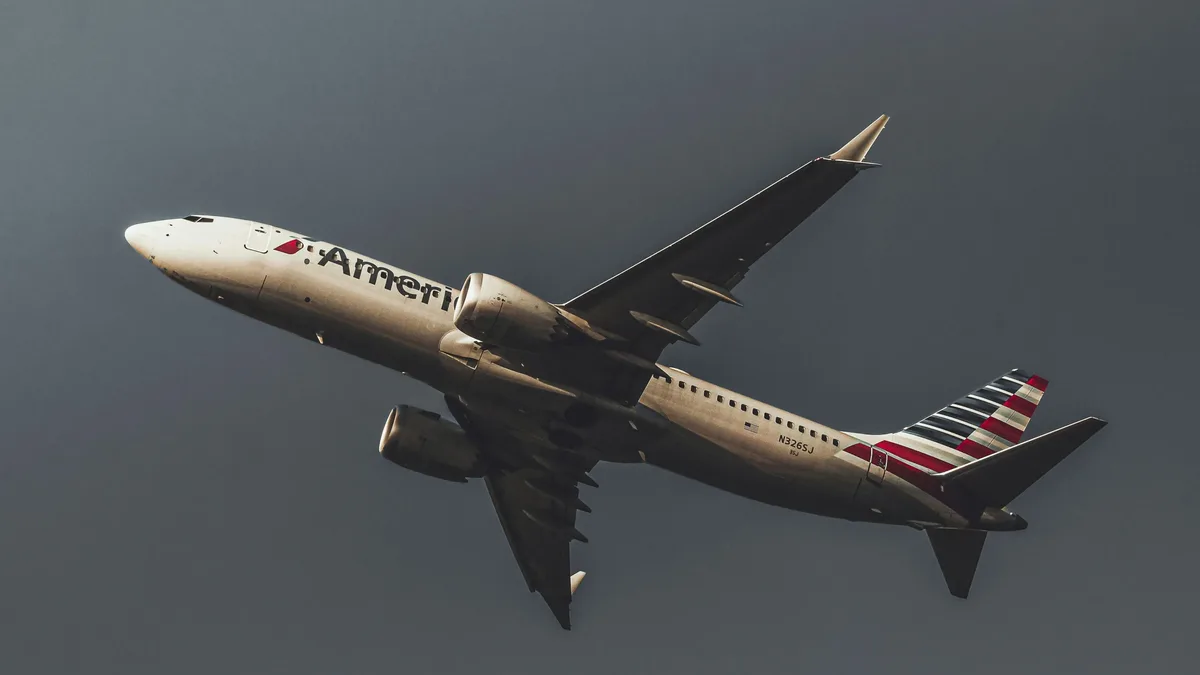
I’ve been critical of American Airlines management in recent years, not due to any personal bias but because the airline’s results have reflected prolonged strategic failure. For too long, senior leadership appeared insulated, recycling the same America West-era executives without meaningful change. That pattern began to shift in late 2025 when American hired Nat Pieper as Chief Commercial Officer, replacing Vasu Raja. Pieper is an outsider to the airline, bringing over two decades of industry experience from Northwest, Delta, and Alaska, with expertise spanning finance, alliances, and fleet strategy.
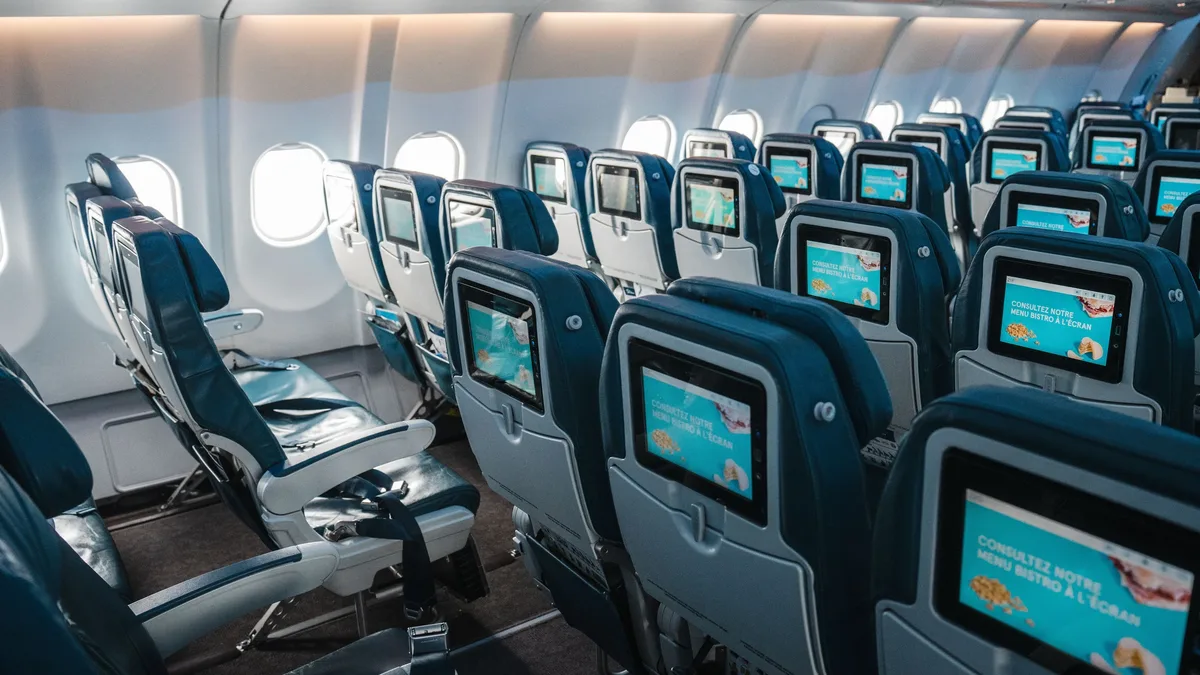
His appointment stood out as a deliberate break from the past. Unlike Raja, who projected confidence without delivering results, Pieper presents as a grounded industry veteran who acknowledges American’s shortcomings. The author notes that Pieper appears to be driving commercial decisions, including the rollout of seat back TVs on narrow-body aircraft-a move CEO Robert Isom had previously deferred to Raja. This shift suggests Isom may be ceding operational control, a development viewed positively given Isom’s limited reputation as an innovator and low standing among employees.
The author emphasizes that morale at American remains low, and a turnaround requires a leader who can inspire staff and signal change. From within the current ranks, Pieper is seen as the only figure capable of fulfilling that role, given his credibility and external perspective. While the author stops short of endorsing Pieper as a future CEO, they suggest his leadership represents the best internal prospect for meaningful reform.
Despite these signs of progress, the author remains skeptical about the pace and scope of change. American’s initiatives-such as retrofitting seat back TVs and adding Starlink Wi-Fi-are described as incremental and slow, with full implementation expected well into the 2030s. By contrast, United plans to complete similar upgrades across its mainline fleet by the end of 2027. This disparity raises doubts about whether American can win back customers in competitive markets like Chicago, Los Angeles, or New York, where travelers have already shifted to rivals.
The core issue, according to the author, is that American’s changes aim only to narrow the gap with Delta and United, not to leapfrog them. Years of missed opportunities have allowed competitors to innovate and widen their lead in areas like global route networks and customer experience. To close that gap, American would need bolder moves: a major “American 2.0” announcement, urgent investment in cabin products, and leadership capable of rebuilding its international footprint-potentially by poaching network planners from United or Air Canada.
The author acknowledges that Pieper’s arrival marks a genuine shift in tone and direction at American. His experience, outsider status, and apparent influence over commercial strategy offer grounds for cautious optimism. However, the scale of the challenge remains immense, and success will depend on whether the airline can move beyond incremental fixes to embrace the urgency and ambition required for a true turnaround.