U.S. Airlines Get $5.7 Billion Tech Fund, Foreign Carriers
A U.S. Government fund will reimburse domestic airlines up to $5.71 billion for mandatory 5G-related aircraft upgrades, while foreign carriers serving the
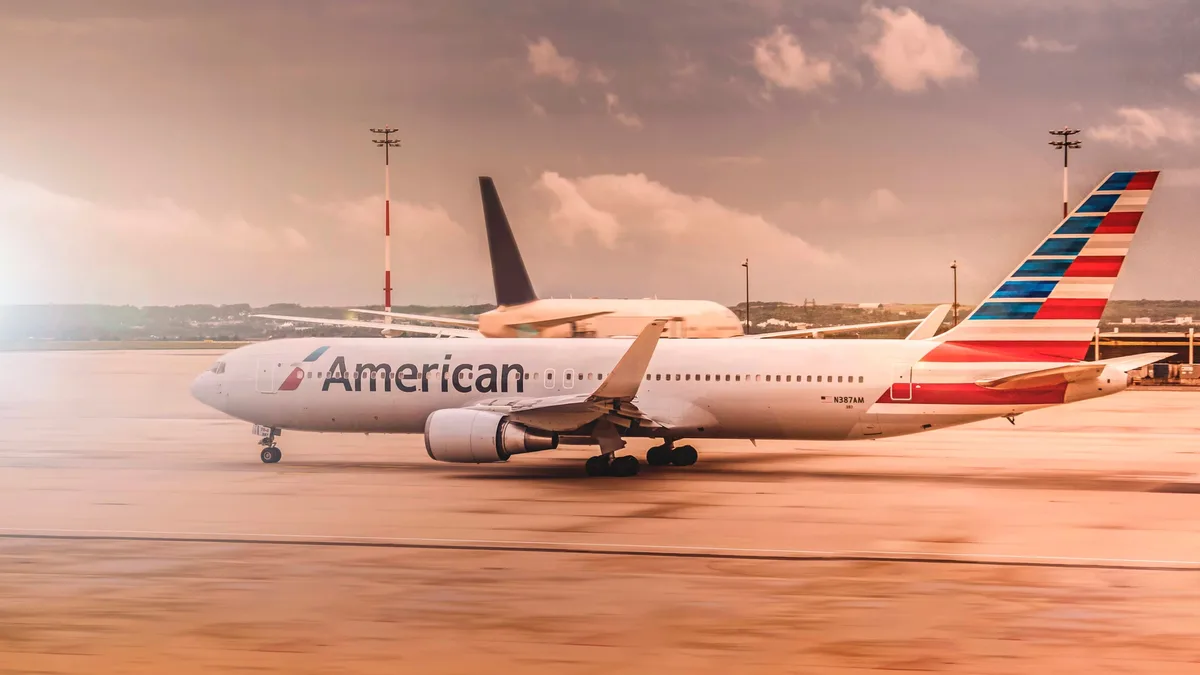
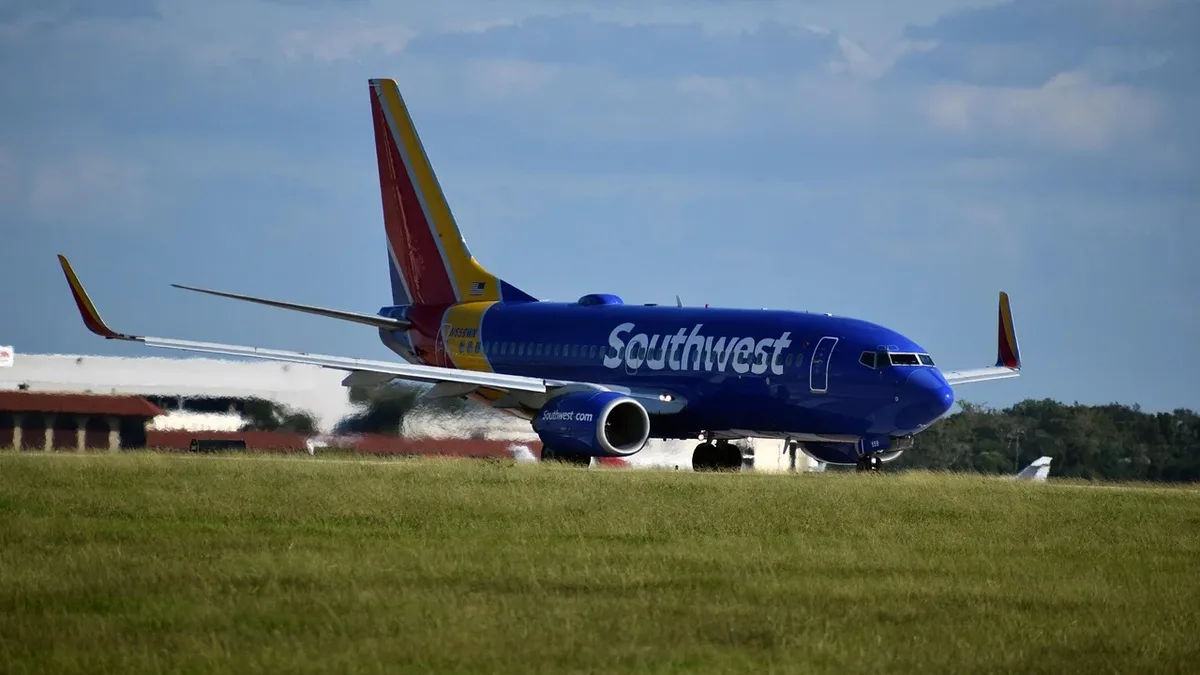
U.S. Airlines are set to receive billions in government rebates to retrofit aircraft for new 5G wireless spectrum, while foreign carriers operating into the same U.S. Airports are barred from the reimbursement program. The International Air Transport Association (IATA) has filed a lawsuit over the policy, highlighting a stark contrast with past U.S. Airline complaints about foreign carrier subsidies.
The Mandatory Altimeter Upgrade
A radio altimeter tells an aircraft its height above the ground, feeding critical systems like autoland and collision warnings. These devices operate in the 4.2-4.4 gigahertz band. With the Federal Communications Commission (FCC) auctioning nearby spectrum for 5G expansion, existing altimeters risk interference from powerful new signals.
The Federal Aviation Administration (FAA) is mandating upgrades to more tolerant equipment. The deadlines and estimated costs are as follows:
| Entity | Compliance Deadline | Estimated Cost Range |
|---|---|---|
| U.S. Scheduled airlines & large foreign airlines serving the U.S. | December 30, 2030 | $4.82 billion to $7.13 billion (total for all aircraft) |
| Other affected aircraft | October 31, 2034 | Not specified in source |
The FAA estimates replacing roughly 58,500 altimeter units across over 40,000 aircraft will cost between $4.82 billion and $7.13 billion. Each unit is expected to cost $80,000 to $120,000 including installation.
A Rebate Fund for U.S. Carriers Only
The FCC has established a rebate program estimated at $3.83 billion to $5.71 billion to cover these costs. Approximately $2.21 billion is earmarked for the first group of aircraft, which includes scheduled U.S. Airlines. Another $3.5 billion is available for the later group.
Eligibility is strictly based on nationality. For the 2030 deadline, operators must hold a U.S. Air carrier certificate and operate under domestic scheduled airline rules. Foreign airlines are excluded. For the 2034 deadline, aircraft must be listed in the FAA's U.S. Aircraft Registry, barring foreign-registered planes.
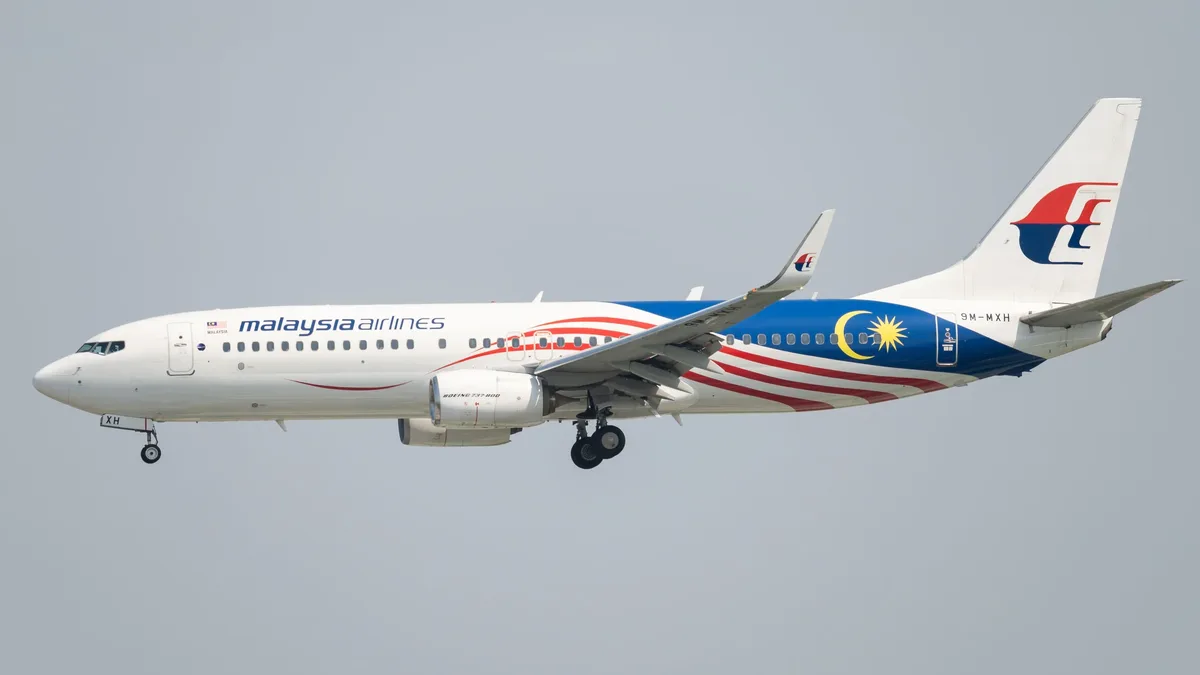
The FAA estimates the financial burden on foreign operators at $962 million to $1.44 billion. Carriers like British Airways, Lufthansa, and Emirates must absorb the full cost when flying to the United States. A foreign airline could limit expenses by upgrading only aircraft assigned to U.S. Service, but this restricts fleet flexibility.
The FCC offered a single sentence to justify the exclusion, stating rebates for foreign aircraft "would not be in the public interest because of the 'fluid and itinerant nature' of their U.S. Operations." The report notes that daily, scheduled flights by major foreign carriers are not meaningfully itinerant.
IATA's Legal Challenge
IATA filed a petition for review and a notice of appeal with the U.S. Court of Appeals for the District of Columbia Circuit on August 31. The case, International Air Transport Association v. Federal Communications Commission, advances four arguments.
It claims the exclusion is arbitrary and capricious because the FCC provided no reasoned basis. The agency also allegedly failed its statutory duty to prevent harmful radio interference. IATA argues the discrimination conflicts with U.S. Open Skies treaty commitments for fair competition. Finally, it contends that changing the interference environment effectively modifies the terms of foreign airlines' aircraft radio licenses.
The first argument is seen as legally the strongest, as agencies must explain their reasoning. The report states the FCC did not explain why a foreign aircraft flying hundreds of U.S. Segments annually should get nothing while a domestic aircraft with less exposure qualifies. The order also fails to address alternatives like prorating rebates based on U.S. Operations.
The Open Skies argument captures the competitive problem. Those agreements generally provide for government-to-government consultation rather than private claims, but America's promise of fair competition weakens the FCC's one-sentence justification.
Past Subsidy Debates Revisited
The situation reverses past lobbying positions. American, Delta, and United spent years arguing that government support for Emirates, Etihad, and Qatar Airways distorted international competition and violated Open Skies agreements.
In 2016, then-American Airlines President Scott Kirby declared, "Fair trade requires fair competition. We like Open Skies but we can’t compete with $50 billion in subsidies." Kirby, now at United, rejected the idea that U.S. Carriers had been subsidized through bankruptcy or government infrastructure funding.
A year later, Delta CEO Ed Bastian stated, "We’ll compete with anybody. But we can’t compete with a government that’s nation-building." Bastian defended subsidies his airline received while lobbying against the Export-Import Bank, which subsidizes foreign airline purchases from Boeing.
Now, U.S. Carriers are receiving a government subsidy for a regulatory cost that their foreign competitors must pay in full. The report concludes that U.S. Carriers lobbied for this outcome and showed no concern for a "level playing field."