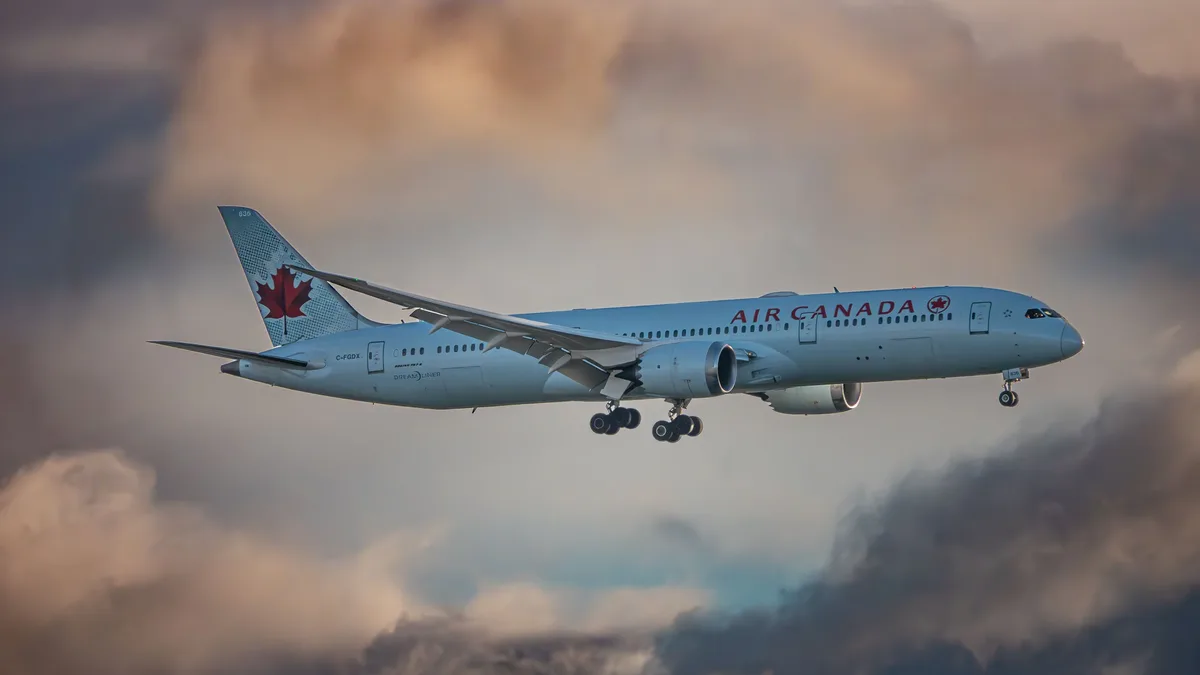
A320neo and 737 MAX jets to be dismantled
More than ten Airbus A320neo and Boeing 737 MAX aircraft will be torn down this year by Tarmac Aerosave for parts supplier AerFin, highlighting strong
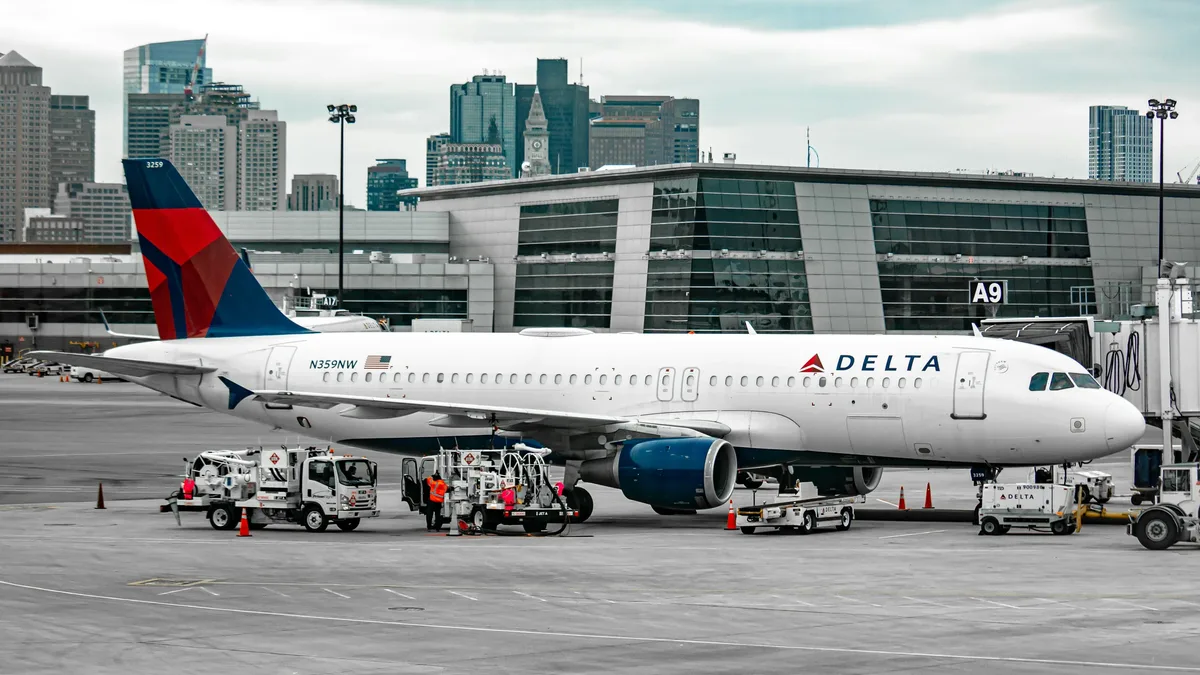
More than ten Airbus A320neo and Boeing 737 MAX aircraft are scheduled for dismantling before the end of the year. The teardown work will be performed by aircraft recycling firm Tarmac Aerosave for its long-term client, parts supplier AerFin.
Strong demand for aircraft engines and parts is driving the recycling of relatively new narrowbody jets. Tarmac Aerosave states it will "process more than 10 new-generation narrowbody aircraft" for AerFin to support the global parts chain. This dedicated line between the companies will handle specialist tasks like cabin and landing gear removal.
A Growing Trend for New Jets
A steadily growing number of modern aircraft are being parted out at young ages. Simple Flying notes that multiple Airbus A320neos previously operated by Spirit Airlines were recycled after flying for just three years. The current aviation market is believed to have over 4,400 A320neos and 6,500 older A320ceos in service, with more than 7,000 A320neos on order, ensuring ongoing parts demand.
Tarmac Aerosave added that "additional dismantling projects are already being prepared for 2027," though it did not specify a number of aircraft. The company is headquartered in Tarbes, France, and claims to be the leading aircraft storage and engine green recycling firm.
The Aircraft Recycling Process
Aircraft recycling involves disassembling retired airframes to recover valuable spare parts and raw materials. The process begins with decontamination, where workers drain hazardous fluids like jet fuel and oils. High-value components such as engines, landing gear, and flight electronics are then removed, tested, and resold.
Inside the cabin, seats are sold and materials like insulation, wiring, plastics, fabrics, and copper are separated. When the frame is no longer needed, heavy machinery cuts the mostly aluminum and titanium structure into small segments. These metal fragments are sorted, melted down, and recast into raw ingots for manufacturing.
Up to 90% of an aircraft's total weight can be recovered and recycled. This practice reduces environmental waste and supports the supply chain by providing recycled metal and secondhand parts at lower costs than new production.
The ten A320neo and 737 MAX jets destined for teardown illustrate the persistent demand for second-hand aircraft parts. These young aircraft highlight that all airframes have an expiry date, with some meeting it sooner than others.