Delta Cuts JFK-Milwaukee Among Four Domestic Route
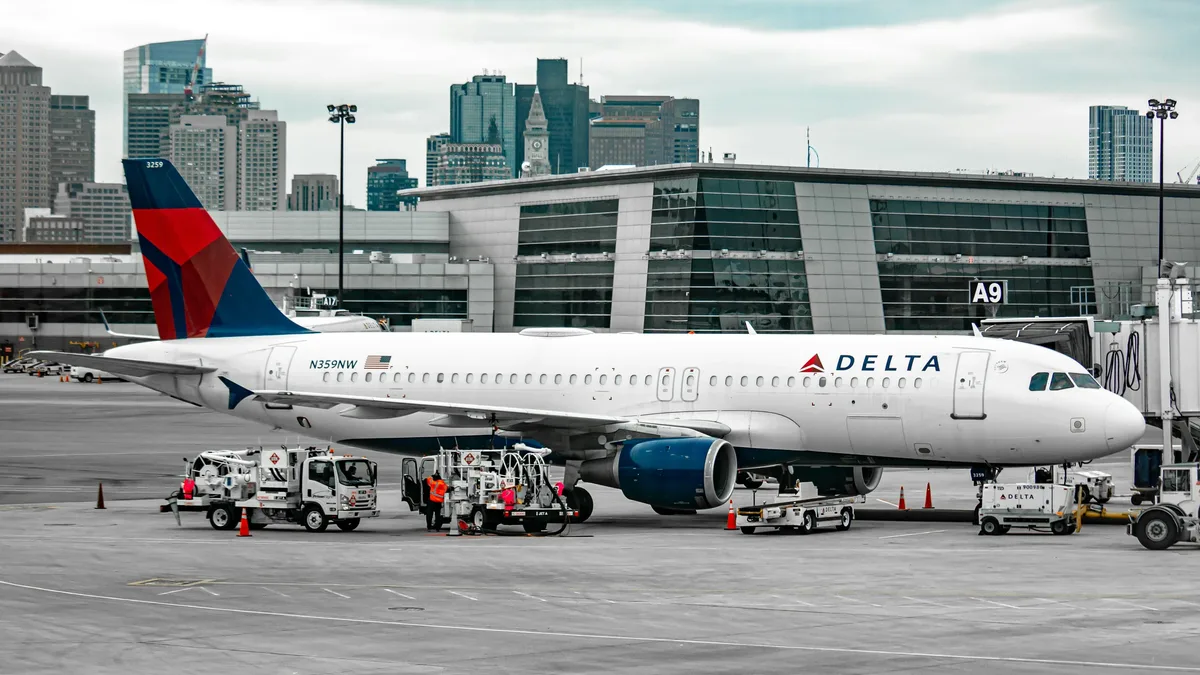
Delta Air Lines is cutting four domestic routes this fall, including JFK-Milwaukee, continuing a pattern of refining its JFK network.
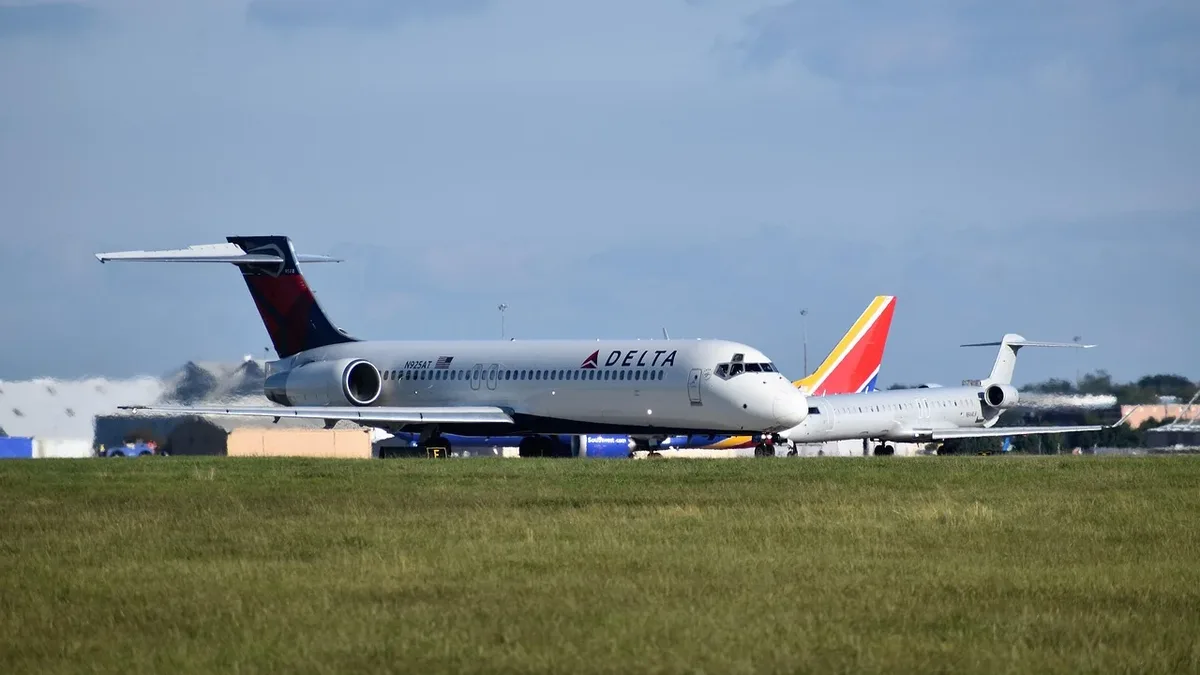
Delta Air Lines is eliminating four domestic routes later this year, including service between New York's John F. Kennedy International Airport (JFK) and Milwaukee (MKE). The cuts are scheduled to take effect between November and December. Alongside Frontier Airlines' impending full exit from JFK, this indicates a strategic shift for carriers at the congested New York gateway.
Delta's latest schedule adjustments target several non-hub routes. The airline will end service between New York-LaGuardia and Tulsa on November 6. Two routes from Las Vegas, to Orange County and San Diego, will both end on November 8. The JFK to Milwaukee route is set to end on December 18.
Delta's Broader JFK Network Refinement
This cut is part of a wider pattern of route pruning at JFK. Earlier this year, Delta removed service from JFK to Houston (IAH), Memphis (MEM), and St. Louis (STL) from its summer 2026 schedule. The airline has also made significant international cuts from the airport.
Delta ended its JFK-Brussels service in January 2026 after 34 years. It scrapped a planned return to Geneva and canceled JFK-London Gatwick service for 2026. A planned seasonal return of JFK-Munich had already been dropped. These moves suggest Delta is willing to walk away from both short-haul and long-haul JFK routes when the economics are not compelling.
Frontier's Rapid JFK Exit
Frontier Airlines' experience at JFK presents a stark contrast. The ultra-low-cost carrier entered the airport in 2024 and quickly built a broad network. At its peak, it served or planned to serve Atlanta, Chicago O'Hare, Dallas/Fort Worth, Los Angeles, Miami, Orlando, San Juan, and Las Vegas.
By February 2026, Frontier had reduced its JFK operation to just one route: Atlanta. Now, even that final route is being eliminated. Frontier will end JFK-Atlanta service on October 5, 2026, leaving it with no presence at the airport after barely two years.
Strategic Implications for Delta
Delta is positioned to benefit from Frontier's departure, as it removes a major low-cost competitor on price-sensitive routes. However, Delta is not rushing to fill the capacity void left by Frontier. Instead, it continues to cut its own marginal routes.
The source suggests this indicates how Delta increasingly views JFK. The airport is not treated as a standard domestic hub where every route must be defended. Delta uses LaGuardia for much of the New York domestic business market, while Atlanta and Detroit provide extensive connecting networks. JFK's primary value to Delta is as a premium and international gateway.
This does not mean Delta is abandoning domestic feed at JFK. The report states a route must justify scarce aircraft, gate space, and operational complexity. If markets like Milwaukee or Brussels do not meet Delta's threshold, the airline appears willing to redeploy those resources.
Not a Broad Retreat
It would be a mistake to interpret these cuts as a broad retreat from JFK. Delta is still adding and maintaining substantial international service from the airport. For summer 2026, it added new JFK service to Malta and Olbia, while Catania returned earlier than planned. Service to Tel Aviv also resumed from JFK this month after a security-driven suspension.
The better understanding, according to the source, is that Delta is refining the role of the high-cost hub. Routes with strong premium demand, international relevance, or strategic value will remain. Routes lacking those qualities will be cut, a strategy Delta might be less likely to employ at less constrained hubs like Atlanta or Minneapolis.
The report notes that JetBlue has also cut several routes from JFK this year with a similar strategy in mind. The future of Frontier's JFK operating rights remains unclear, with United cited as an obvious carrier to watch if commercially useful access becomes available. United's CEO, Scott Kirby, has repeatedly indicated a willingness to acquire scarce airport assets. However, without knowing the status of Frontier's rights, the source cautions against assuming its exit creates a straightforward growth opportunity for other airlines.