Ryanair's Profit Strategy: Uncomfortable Flights, High
Ryanair's financial success is built on a low-cost model that strips cabin amenities to enable ultra-fast turnarounds and low airport fees, with nearly a
Ryanair has built Europe's most profitable airline by making flying as uncomfortable as possible. The carrier's strategy of stripping away cabin amenities and charging for extras drives its record-breaking financial performance, with ancillary revenue accounting for roughly 32% of its total operating income.
A Cabin Engineered for Speed
The primary point of physical interaction is the cabin seat, where Ryanair has out-engineered every moving part. The thin, rigid plastic chairs eliminate the mechanical reclining apparatus, removing a high-frequency maintenance failure point. This reduces airframe weight and cuts long-term repair costs.
Safety information is printed directly on the plastic structure of the headrest, eliminating traditional seatback storage pockets and loose documentation. This means no magazines to sort, no trash left behind in fabric netting, and no loose items for cabin crew to inspect between flights. The seat functions as a sterile, low-mass structure that requires virtually zero human intervention to reset.
Ryanair outfits its aircraft with lightweight, non-reclining structures, drastically reducing the aircraft's total empty weight. In an industry where every additional pound translates into higher fuel costs, scaling down cabin hardware yields far greater earnings potential.
The 25-Minute Turnaround
A passenger jet only generates revenue when its engines are actively spinning at cruising altitude. Because Ryanair’s cabins lack seat pockets, reclining mechanisms, and complex cleaning requirements, flight crews can reset the entire aircraft in a fraction of the time legacy airlines need. This enables the airline's core operational metric: the legendary 25-minute gate turnaround.
The airline achieves this speed through careful synchronization, with deplaning and boarding occurring almost simultaneously. With no cabin clutter to clear, flight attendants focus entirely on security sweeps and passenger flow management. Ryanair demands this efficiency to squeeze additional flight legs out of every single airframe each day, maximizing the utilization of its multi-billion dollar capital assets.
According to Medium, Ryanair runs its fleet hotter than traditional network legacy carriers, thereby diluting its fixed fleet acquisition costs across a much larger volume of departures.
The Remote Airport Strategy
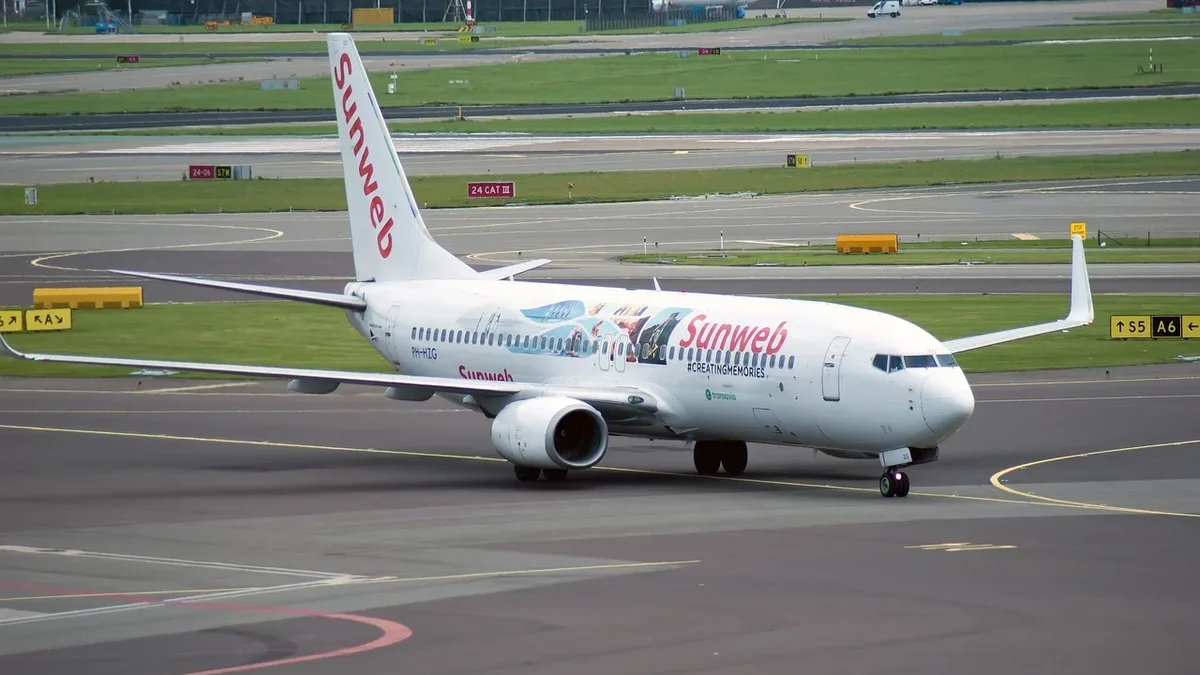
Ryanair systematically avoids prime hubs like London Heathrow or Brussels Airport, instead anchoring its network at locations like London Stansted and Brussels South Charleroi. The geographical focus is a deliberate effort to bypass the massive landing fees and handling charges imposed by tier-one airport authorities.
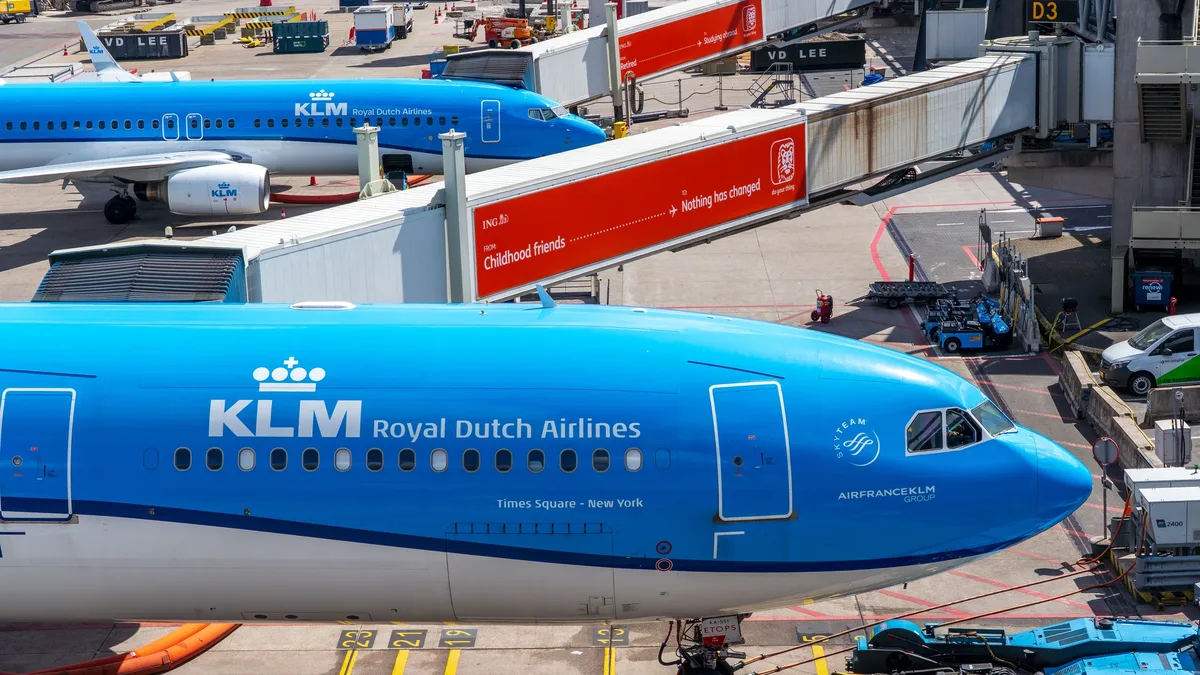
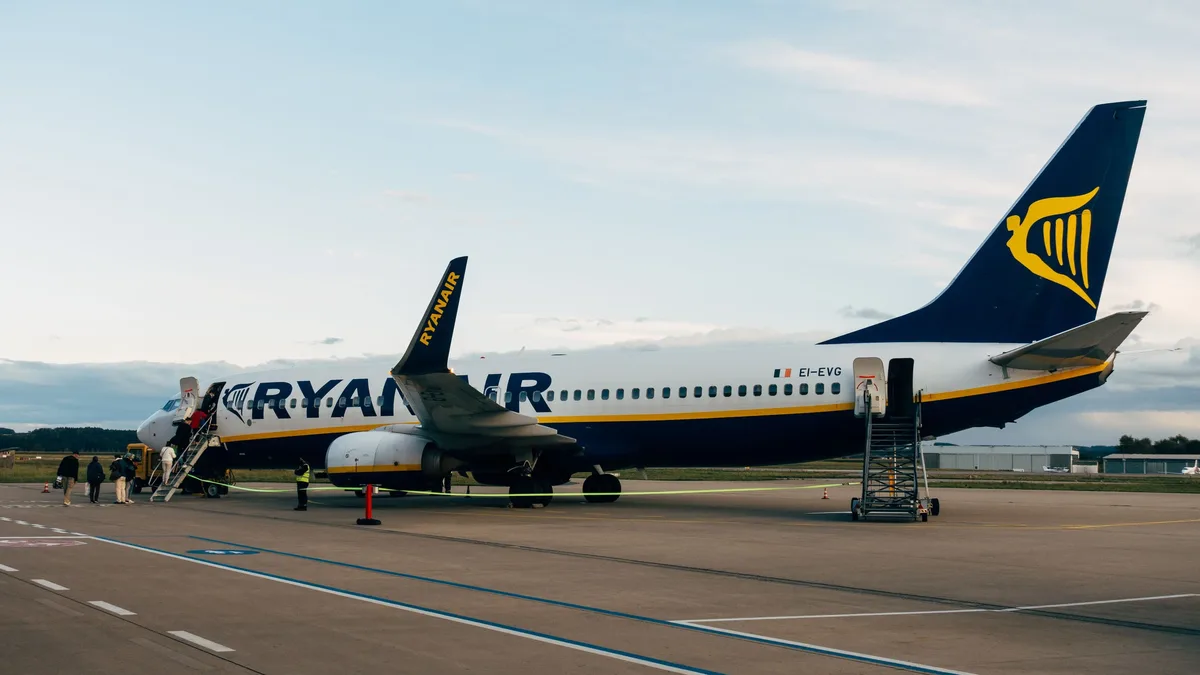
Outlined in The Role of Secondary Airports for Today's Low-Cost Carrier Business Models: The European Case by M. Dziedzic and D. Warnock-Smith, these secondary airports are highly eager to attract Ryanair’s massive volume, frequently offering heavily discounted landing rates and lucrative marketing subsidies. Once on the ground, the airline completely refuses to use expensive, electronically controlled jet bridges. Instead, it parks its aircraft on remote stands and deploys integrated onboard airstairs, forcing travelers to walk across the open tarmac.
Ryanair's aggressive detachment from infrastructure keeps its fixed airport and handling charges remarkably low. In the 2025 annual financial report, airport and handling charges represented a tightly controlled segment of total operating expenses.
The Ancillary Revenue Engine
The ultimate secret to Ryanair’s financial dominance is that the advertised price of a base ticket is functionally a loss-leader. According to IdeaWorks, the corporation's real profit engine is its sophisticated, unbundled ancillary revenue system. In its May 2026 full-year results, Ryanair generated a record-breaking €15.54 billion in total operating revenue.
| Revenue Category | Amount (Billions of Euros) |
|---|---|
| Scheduled Passenger Fares | €10.56 |
| Unbundled Ancillary Revenue | €4.99 |
This means ancillary sales now account for roughly 32% of the airline's total revenue, with the average passenger spending approximately €24 on top of their base fare. The base ticket merely buys a passenger a seat on the plane; everything else comes at a premium.
The unbundled economic matrix allows Ryanair to achieve an extraordinary net profit margin that hovers well above the global commercial aviation average. Legacy carriers struggle to pass rising infrastructure and labor costs on through traditional all-inclusive ticketing packages.
A Standardized, High-Density Fleet
The delivery of this high-efficiency strategy relies entirely on total fleet standardization. In March, the airline’s operational fleet grew to more than 640 aircraft, driven by the successful integration of all 210 Boeing 737 MAX 8-200 aircraft. Fleet uniformity enables massive economies of scale in pilot training, maintenance licensing, and spare-part procurement.
The 737 MAX 8-200 adds 4% more seats in the same cabin dimensions as previous models, compressing seat pitch to 28 inches (71.12 centimeters) while reducing fuel burn and carbon dioxide emissions by 16%. Spring 2027 is when the airline is scheduled to receive the first 15 units of a massive 300-aircraft order for the larger 737 MAX 10, which will deliver an additional 20% seat capacity.