United Airlines Generates $11.5 Billion From Ancillary Fees
United Airlines led the world in ancillary revenue in 2025, earning $11.5 billion from fees and loyalty programs.
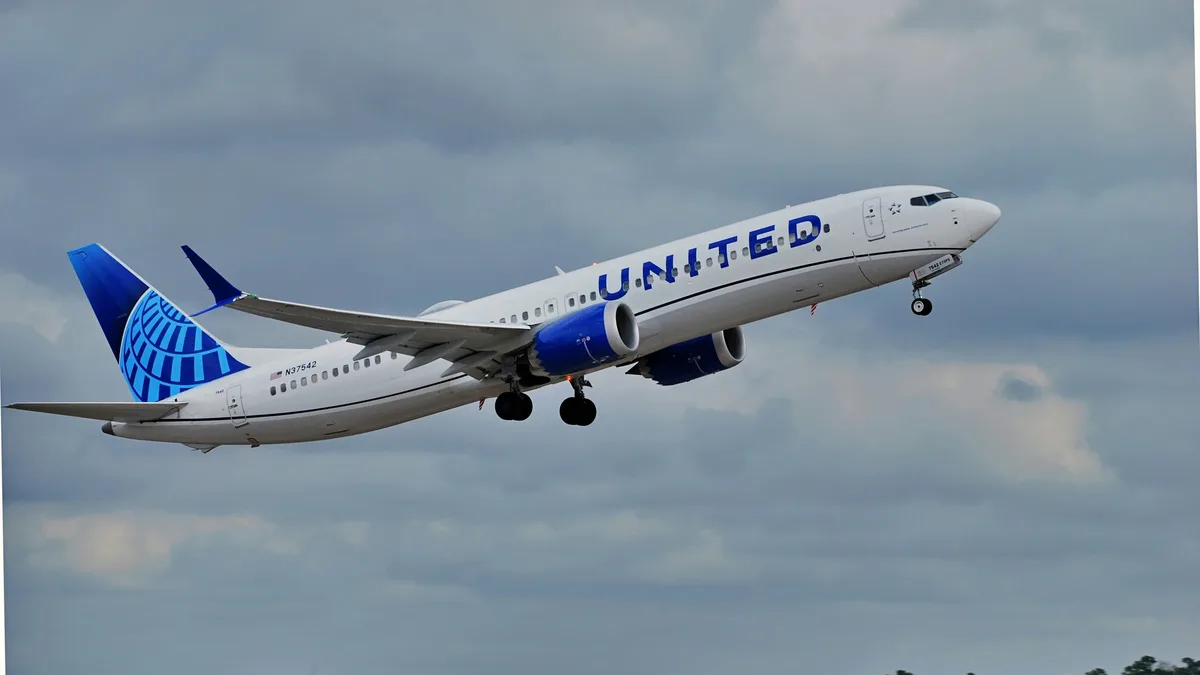
United Airlines generated $11.5 billion in ancillary revenue in 2025, more than any other airline globally. This figure comes from a new report by IdeaWorksCompany titled United Is Winning The Race For Brand-Loyal Consumers.
CEO Scott Kirby argues this revenue demonstrates success in attracting brand-loyal customers. The report, however, contends that strong merchandising and fee revenue are not the same as being a premium airline or build genuine loyalty.
The Composition of $11.5 Billion
IdeaWorksCompany uses a broad definition of ancillary revenue. It includes baggage fees, seat assignments, onboard sales, revenue from miles sold to partners, advertising, and the value of bundled fare features.
United's own regulatory filings use a narrower scope. The airline reported collecting $4.8 billion in 2025 directly from passengers for baggage, premium seats, inflight amenities, and other ticket-related fees. This was up from $4.5 billion in 2024 and $4.1 billion in 2023.
Federal data shows $1.35 billion of that $4.8 billion came from checked bag fees. The remaining $3.45 billion encompasses seat assignments, inflight purchases, and change or cancellation fees.
The $11.5 billion total roughly reconciles when adding the $4.8 billion in direct fees to $6.6-$6.7 billion in MileagePlus-related accounting. This loyalty revenue includes money recognized when miles are redeemed and partner marketing benefits.
With $59.1 billion in total operating revenue and 181 million passengers, the ancillary total works out to 19.5% of revenue and about $63.50 per passenger. The per-passenger figure rose approximately 4% from 2024.
A comparison of the major U.S. Carriers' 2024 ancillary revenue shows the following breakdown:
| Airline | Total Ancillary Revenue | Loyalty Program Revenue | Non-Loyalty Ancillary Revenue |
|---|---|---|---|
| United | $10.6 billion | $6.2 billion | ~$4.4 billion |
| Delta | $10.2 billion | $7.1 billion | ~$3.1 billion |
| American | $9.2 billion | $7.1 billion | ~$2.1 billion |
United led in total ancillary revenue despite its loyalty program revenue trailing Delta and American. The report notes United's underlying credit card deal, negotiated in 2015, was inferior to its rivals' but was extended through 2029 after renegotiations in 2020.
United is particularly effective at monetizing seats. A Senate investigation found the airline took in $1.3 billion from seat fees in 2023, more than its $1.2 billion in bag fees. United disclosed 2.6% of its revenue came from seats, compared to 1.8% at American Airlines.
MileagePlus Shifts to a Subscription Model
The report describes United's 2026 loyalty changes as "new, bold, and powerful." Earning rates are now tightly linked to holding a United-branded credit card.
A general MileagePlus member without a card now earns 3 miles per dollar on a standard fare, down from 5. A member with an Explorer card or better earns 6 miles per dollar. On Basic Economy and new premium-cabin Base fares, a general member without the card earns nothing, while a qualifying cardholder earns 3.
Cardholders also receive at least a 10% discount on award flights, rising to at least 15% for Premier members with a card. The IdeaWorksCompany report calls the cards a subscription that purchases better earning.
The strategy encourages current members to get a card but may make the program less attractive to future potential members. This approach creates customer lock-in through switching costs rather than evidence of brand affection. It also sidelines high-value customers who cannot obtain a United card, such as many foreign residents.
Premiumization Versus Premium Brand
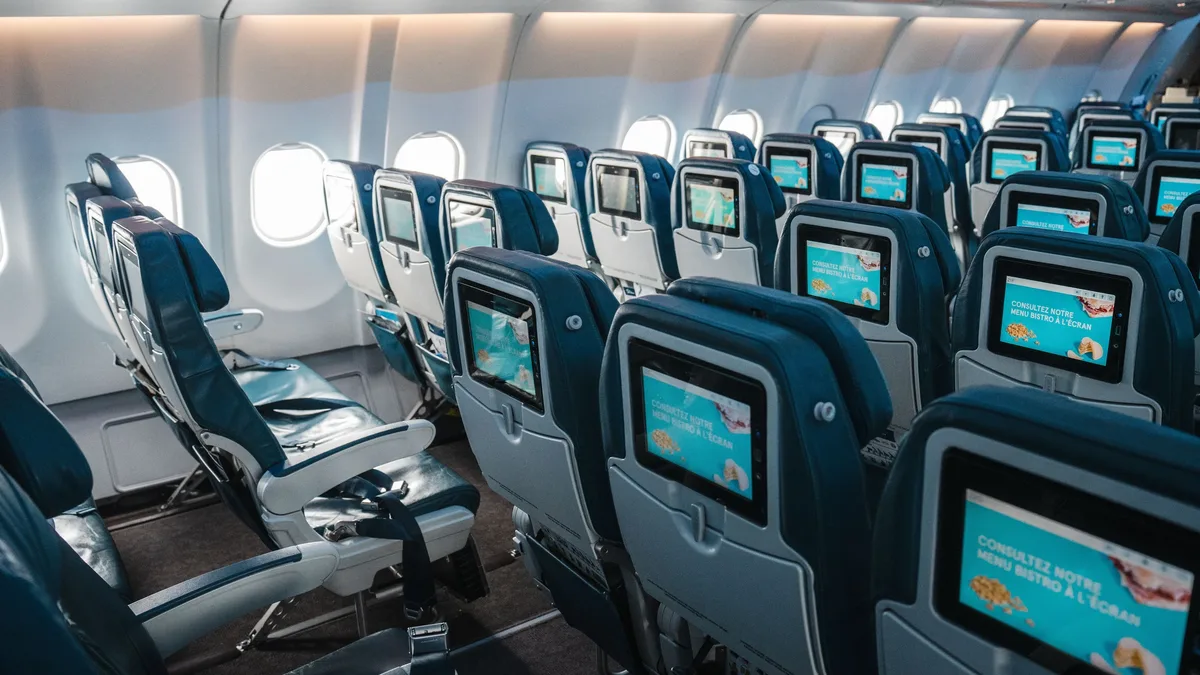
United has invested in its product. The airline says its newer Signature Interiors produce Net Promoter Scores 10 points higher than older cabins. CEO Scott Kirby claims seatback entertainment lifted scores by 15 points on packed holiday flights. In 2025, the airline's premium revenue grew 11%.
The report characterizes this as premiumization and segmentation, not a wholesale transformation into a top-tier carrier. It notes United's Polaris business class is decent but engineered for density. New suites with doors are better but remain a tiny part of the fleet. Premium Plus is competitive, while Economy Plus offers extra legroom without a full premium service.
Survey data does not show United as a leader. In the 2026 J.D. Power study, United did not rank among the top three in business, premium economy, or economy classes. The American Customer Satisfaction Index places United below Delta and American and just below the industry average.
United has temporary advantages in seatback screens and Starlink wifi deployment, but competitors are catching up. The airline's real strengths are its international network, abundant premium seat inventory, and strong premium revenue mix, which is also a function of its hub locations and flight distances.
None of the revenue reported for 2025 came from upcoming products like the Relax Row seating, A321XLR with a blocked middle seat, or the premium-heavy Raise 787, which began flying in April 2026. The report concludes that United excels at giving customers reasons to spend more and charging a premium when they do, which is different from customers preferring the brand when schedule and price are equal.