American Express Pays Delta 3.8 Cents Per Dollar Charged
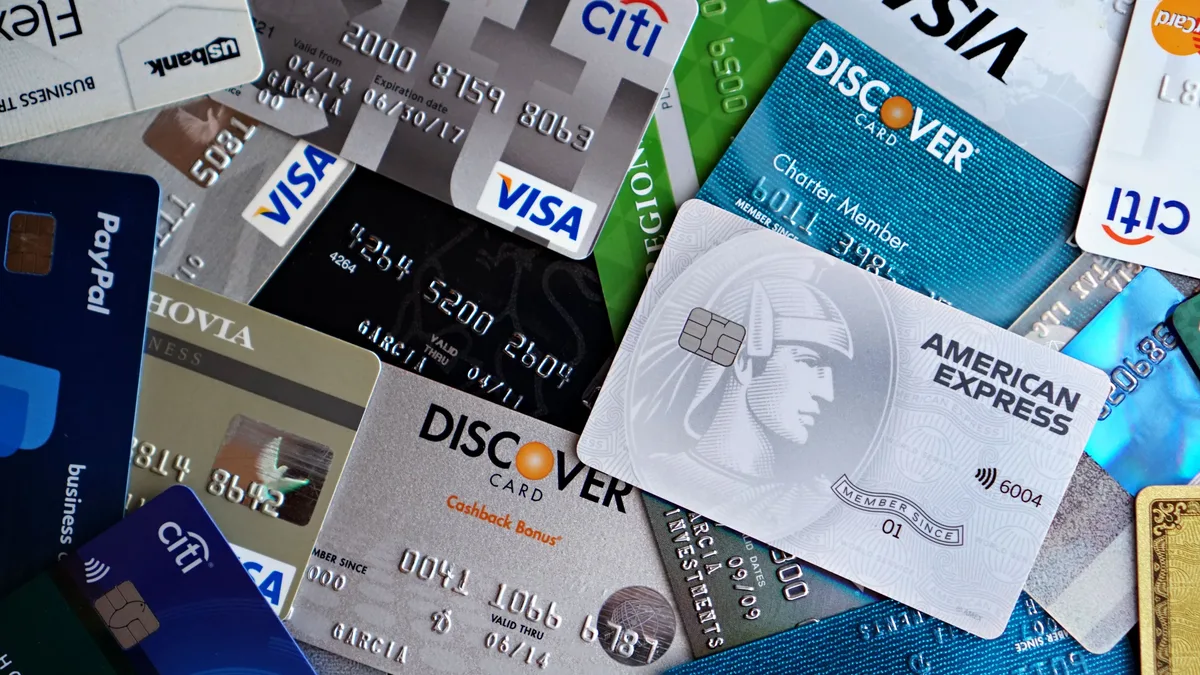
American Express paid Delta Air Lines $8.2 billion in 2025, equating to 3.78 cents for every dollar charged to Delta co-branded cards.

American Express paid Delta Air Lines $8.2 billion in 2025. According to an analysis by View From The Wing, this works out to roughly 3.78 cents for every dollar charged to a Delta-branded American Express card.
This figure is far higher than the typical cost consumers might pay to buy miles directly from an airline during a promotion. The analysis explains that the bank's total payment is not just for SkyMiles. American Express is also paying to use Delta's brand, to access its customer files for marketing, and to fund cardholder benefits like lounge access and baggage fee waivers.
The Economics Behind the Payment
Delta has previously stated that spending on its American Express cards is approaching one percent of the entire U.S. economy. The analysis, using American Express's own disclosures, suggests the actual figure for 2025 was about 0.71%. American Express reported that Delta cards accounted for approximately 13% of its worldwide billed business, which totaled $1.6698 trillion last year.
The $8.2 billion payment from this spending equates to 3.78 cents per dollar. However, this is not a direct cost per mile issued. Accelerated earning categories and sign-up bonuses increase the number of miles awarded. If card spending generated an average of 1.5 miles per dollar, the broad payment would work out to about 2.52 cents per mile.
What the Payment Buys
The relationship extends beyond consumer cards. Delta's own American Express purchasing card for jet fuel and crude oil reportedly has a $1.1 billion credit limit, said to be the highest such limit in the world. The airline's annual filing details the accounting categories for the Amex revenue, which allows Delta to recognize most of it immediately. These categories include:
- Brand use
- Customer datafile access
- Baggage benefits and lounge access
- The provision of miles, including those transferred from other American Express Membership Rewards cards
At these prices, the analyst notes the arrangement is not funded solely from merchant swipe fees. Delta cards represented about 21% of American Express's worldwide cardmember loans, indicating the bank is also buying consumer revolving credit business.
Comparisons with Other Airline and Hotel Deals
Other airline contracts reveal similar structures. An old Sun Country Airlines agreement with First National Bank of Omaha showed the bank paid the airline 1.78 cents on ordinary purchases while awarding one point worth one cent toward travel. The airline also funded additional rewards, such as anniversary bonuses.
United Airlines has previously highlighted the cost of these partnerships. A 2020 MileagePlus presentation illustrated a scenario where a customer spending $10,000 earned 15,000 miles, with a partner paying $300. That equals 2 cents per mile and 3% of spending.
Hotel co-brand deals operate on comparable principles but often disclose different slices of the revenue. Their reports help explain why banks pay substantial amounts.
| Company | Reported Co-brand Metric (2025) | Note |
|---|---|---|
| IHG | $78-80 million | Corporate co-brand revenue, described as the margin above points' redemptive value, not total Chase spend. |
| Marriott | $716 million | Royalty revenue from co-brand cards; other payments fund points and benefits separately. |
| Hyatt | ~$50 million | Projected EBITDA from credit card programs and similar third-party relationships. |
Hyatt reported that its cardholders spend 28% more on their cards than holders of comparable travel co-brand cards. Marriott forecast roughly 35% growth in 2026 card fees, partly reflecting the hotel chain retaining a larger royalty share of issuer payments.
The analyst argues that Delta's route network strategy, including expansion in cities like Los Angeles, Austin, and Raleigh, must be understood partly through the lens of American Express spending. Adding service to more locations makes the Delta card more relevant to residents there, capturing everyday spending on groceries and restaurants alongside travel tickets.